


27/06/2026 09:42 - Economia
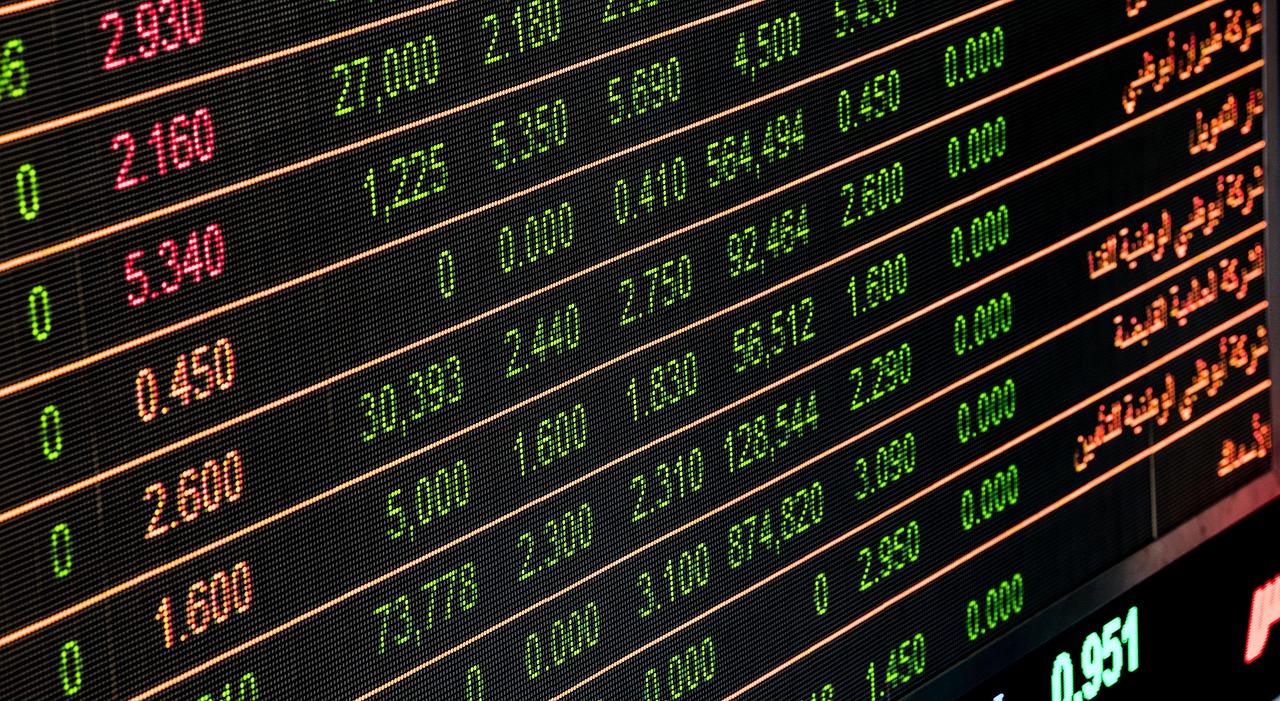
This Saturday, June 27, the financial market remains closed, and quotes are based on the last trading day. The foreign exchange landscape shows stability in the official dollar and minimal variations in parallel segments, a promising sign for the local economy.
| Type | Buy | Sell |
|---|---|---|
| Banco Nación | $1,445 | $1,495 |
The official rate is regulated by the Central Bank (BCRA) and used for official transactions, credit card payments abroad, and legal imports. This is the rate you typically see at authorized banks and exchange offices.
| Type | Buy | Sell |
|---|---|---|
| Blue | $1,469.55 | $1,515 |
The 'Blue' dollar is the informal exchange rate for physical cash. It is essential for tourists exchanging money on the street. The gap with the official rate is currently narrow, indicating market confidence.
$1,500.47
Obtained by buying and selling bonds locally. It is a legal digital dollar rate for local savings.
$1,547.70
Used to send dollars abroad via bond transactions. It reflects the true external value of the peso.
For foreigners and investors, understanding Argentina's dual exchange system is key. While the Official Dollar is the standard for banking, the Blue Dollar often offers a better rate for cash exchanges. Recently, the gap between these rates has narrowed significantly.
The market has stabilized following the exit from strict currency controls (known locally as the 'cepo'). This has allowed for a more fluid exchange market, bringing the 'blue' rate closer to the official financial rates (MEP and CCL), reducing uncertainty for businesses and tourists alike.
Positive signals are coming from the broader economy. According to official data, inflation in May slowed to 2.1%, marking a second consecutive month of deceleration. The accumulated inflation for the first five months of 2026 stands at 14.7%.
The year-on-year inflation rate sits at 33.2%, with core inflation (excluding regulated utilities and seasonal foods) dropping to 1.9%, signaling that price stability is improving.
Sources: La Nación | El Litoral

Alfredo S. Quiroga
