


27/06/2026 10:50 - Tecnologia
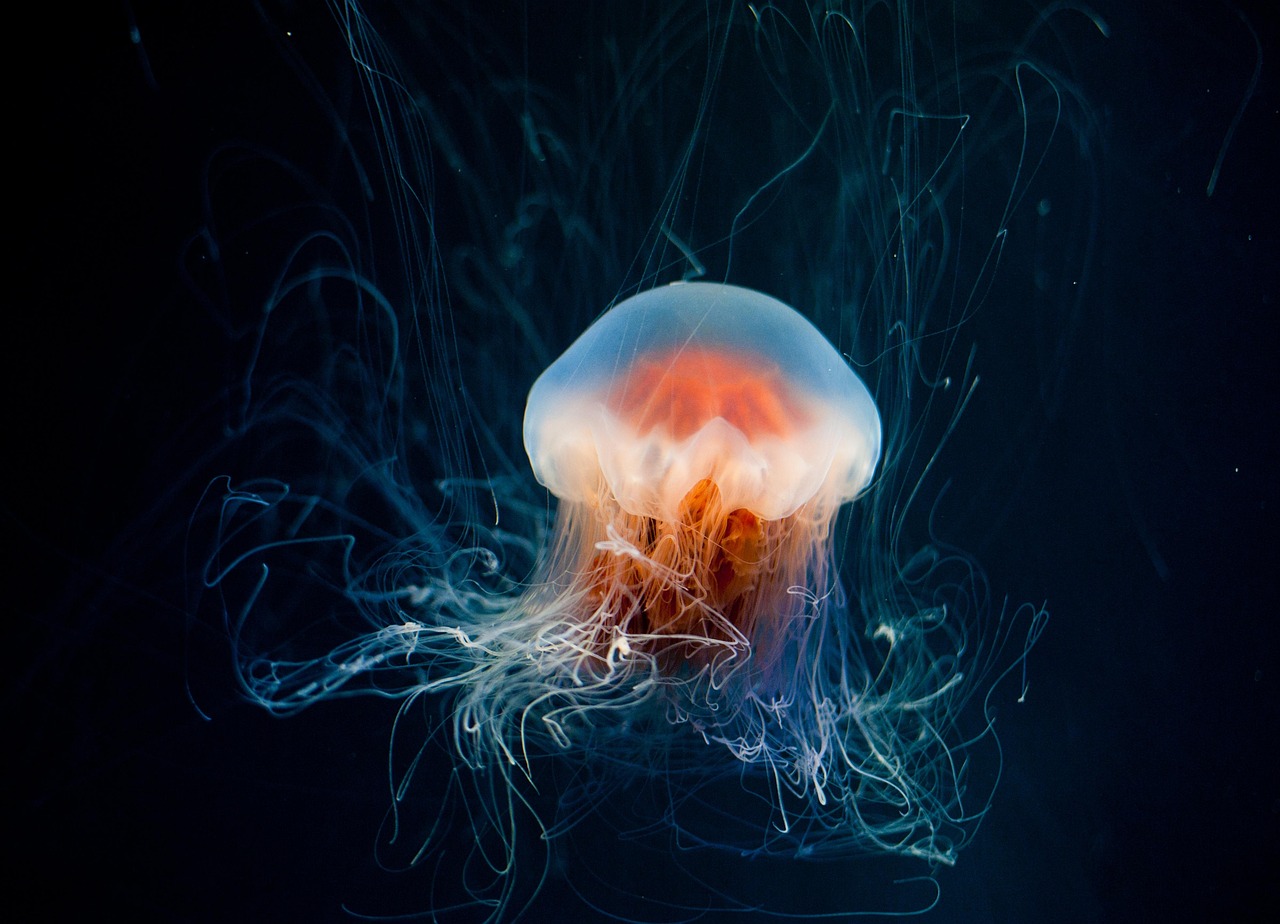
A marine biology expedition in international waters off the coast of Brazil has discovered 31 new species in just two weeks, an achievement researchers believe could be a world record for identification speed.
The breakthrough was possible thanks to cutting-edge technology designed specifically for the mission, including a confocal microscope nicknamed "Squid" that allowed scientists to observe the 3D cellular structure of living organisms directly aboard the ship for the first time.
The expedition was conducted aboard the research vessel Falkor (too), operated by the Schmidt Ocean Institute, departing from Salvador, Bahía in northeastern Brazil, a region known for its rich marine biodiversity and cultural heritage.
Researchers found an extraordinary variety of creatures in the midwater, the zone between the seafloor and the sunlit surface. Key discoveries include:
The expedition focused on the midwater, a region representing 90% of the planet's living space and one of Earth's least explored habitats.
Dr. Karen Osborn, expedition lead scientist from the Smithsonian National Museum of Natural History in Washington, D.C., expressed her enthusiasm: "The midwater is full of incredible animals we don't know about. This area hadn't been explored before, so there were more opportunities to find new species."
The Smithsonian, founded in 1846, is the world's largest museum, education, and research complex, with the Natural History Museum being one of the most visited museums globally.
The confocal microscope "Squid" uses lasers to scan microscopic details of how organisms are organized at the cellular level.
"We could see cells interacting with each other, exchanging material, and building skeletons. And we could do it live on the ship, when it usually takes a couple of weeks of staining and mounting," explained Dr. Osborn.
This represents a significant advancement, as traditionally, studying cellular structures required preserving specimens and transporting them to land-based laboratories, a process that could take weeks or months.
The findings contribute to understanding life distribution in the oceans. Dr. Osborn compared the ocean to a "layer cake": it's common to find the same species at similar depths in distant locations like Japan and California.
Furthermore, the midwater plays a fundamental role in the carbon cycle. Each night, creatures that hide in the depths during daylight ascend to the surface to feed under cover of darkness. This vertical migration is considered the largest daily animal migration on Earth in terms of biomass, and has a considerable influence on ocean carbon capture, helping regulate Earth's climate.
The expedition comes at a critical moment when scientific funding faces uncertainty. The importance of such discoveries extends beyond pure science, as understanding marine ecosystems helps predict climate change impacts and discover potential new medicines from marine compounds.
Dr. Osborn emphasized the importance of scientific collaboration: "What humanity has found so far is just the tip of the iceberg. There's an immense amount of life out there solving life's challenges in unusual ways. Imagine what we can learn from them when we understand them better."
Sources: The Guardian | Schmidt Ocean Institute | Smithsonian National Museum of Natural History

Alfredo S. Quiroga
