27/06/2026 21:48 - Actualidad
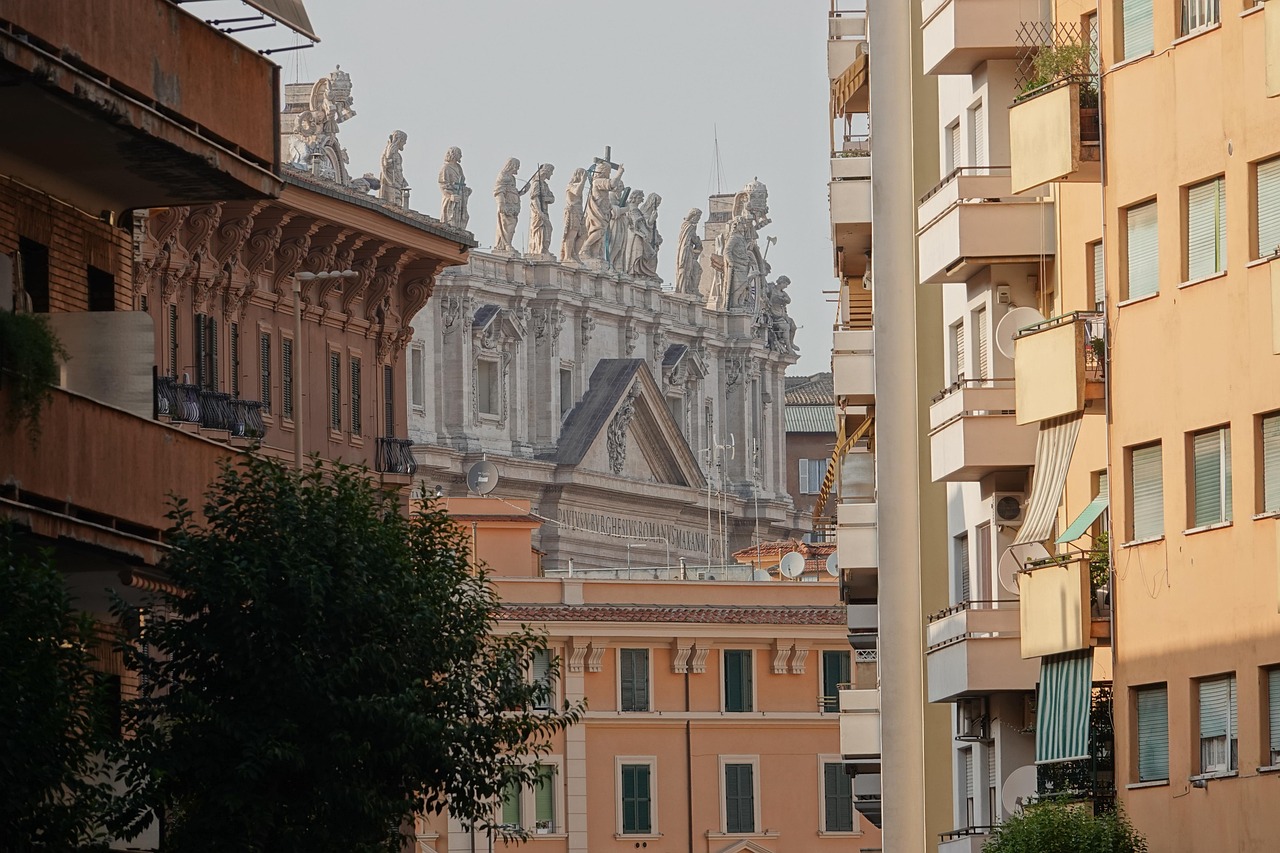
Pope Leo XIV presided over the closing of the second and final day of the Extraordinary Consistory held at the Vatican on June 26 and 27, 2026. The gathering brought together approximately 130 cardinals from around the world to discern the main challenges facing the Church in today's context.
A consistory is a formal meeting of the College of Cardinals convened by the Pope. This extraordinary session was specifically called to address pressing contemporary issues. The Saturday session on June 27 began with Mass presided by Cardinal Giovanni Battista Re, Dean of the College of Cardinals, followed by an introduction from Cardinal Stephen Brislin, Archbishop of Johannesburg (South Africa), and presentations from working groups.
The cardinals identified the need for a Church that provides a sense of belonging, capable of healing the wounds of our time and building selfless relationships at all levels.
The Pope defined his authority as a "service of listening and guidance", asking the cardinals for unity.
According to the summary provided by the Vatican Press Office, the cardinals reflected on "the profound fractures of our time" among peoples, nations, within societies, and even within families themselves. These divisions create wounds especially among:
In relation to the encyclical Magnifica Humanitas, participants debated artificial intelligence and its challenges, particularly regarding the dignity of work. This topic has gained global relevance due to AI's impact on employment and labor relations. An encyclical is a formal papal letter addressed to all bishops and faithful of the Church on matters of doctrine and social teaching.
The cardinals discussed the value of the common good as "something difficult to assimilate and understand, which politics often does not pursue." They highlighted the need for a "language of the heart" to overcome:
Participants affirmed that "the sense of the common good has its origin in faith, in faith in God and in the transcendent element in every person." This faith leads humanity to "overcome all boundaries" and live solidarity with the poor as a response to individualism.
Regarding synodality—a key concept in modern Catholic governance meaning "walking together" through collaborative discernment—the cardinals understood it as "a path of listening and dialogue, and also of ecclesial responsibility".
The cardinals emphasized that the Gospel is "antidote against individualism and divisions", and that we need:
A Church with a sense of belonging that alleviates the wounds of our time
Wise Christian architects who rebuild the city for everyone
A Samaritan face visible in the renewed Church
Avoiding fundamentalism and polarization as forms of division
The cardinals highlighted as a sign of hope that "we face the same challenges, in many areas and in many parts of the world, and that communion with Christ makes us worry less about what others think."
At the opening Mass on June 26, Pope Leo XIV delivered a homily based on John 15, calling for unity in faith and obedience to the Word. The Pontiff:
The cardinals recognized the fundamental importance of the role of politics and the commitment of ecclesiastical institutions in forming future public servants, so that the Church's Social Doctrine may be known and studied as a tool for the common good. Catholic Social Teaching is the body of doctrine on matters of human dignity, economic justice, and politics developed by the Church over more than a century.

Alfredo S. Quiroga