28/06/2026 04:21 - Economia
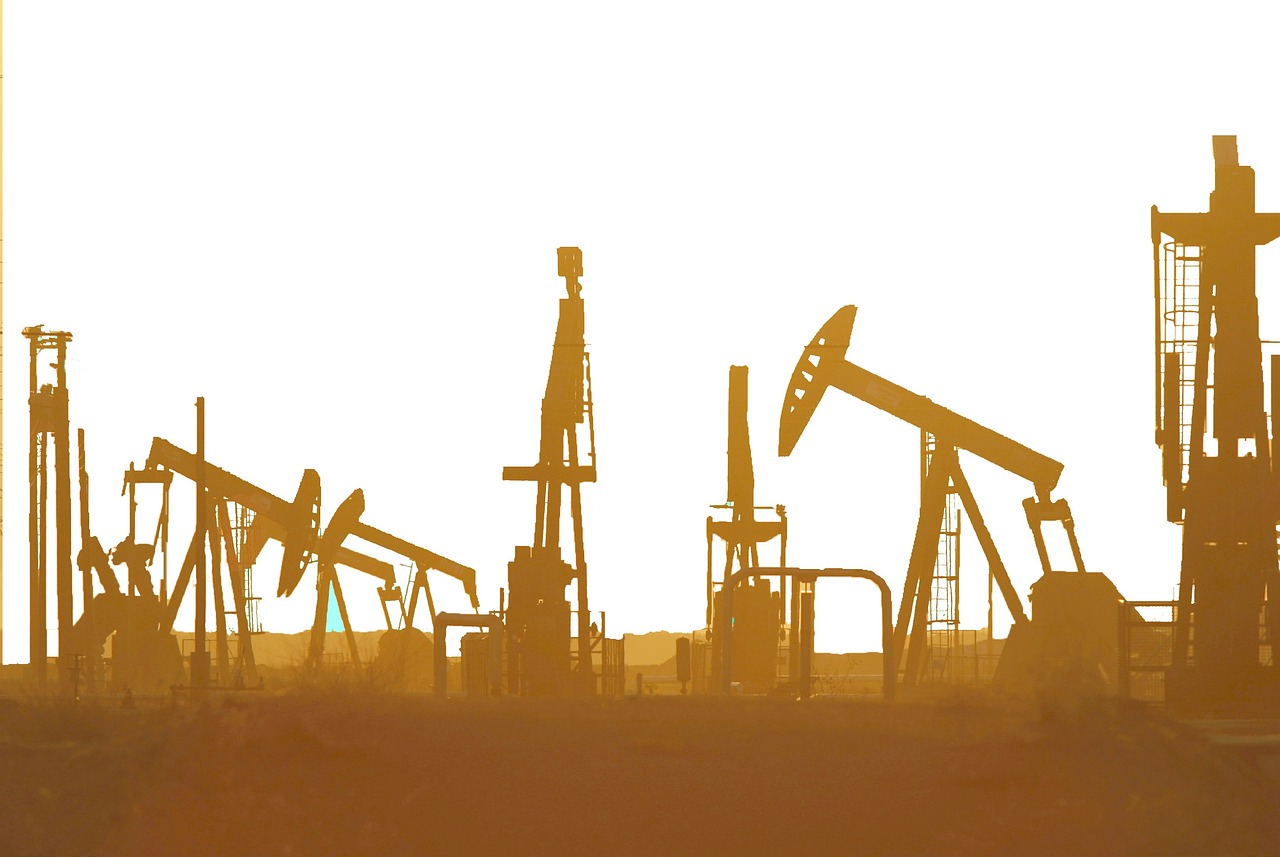
International oil prices experienced a significant correction following the memorandum of understanding between the United States and Iran, an agreement that marked a turning point in tensions that kept the market on edge for months. Brent crude, the global oil benchmark, traded near US$138 per barrel at the peak of the conflict in April 2026, but has retreated to approximately US$80/b according to Wood Mackenzie data.
According to estimates by global consultancy Wood Mackenzie, shared with BNamericas, the trend is clear:
| Period | Average Brent Price (US$/barrel) |
|---|---|
| 2026 (annual average) | US$92 |
| 2027 (annual average) | US$78 |
| Q4 2027 | Up to US$70 |
Swiss consultancy Julius Baer agrees that prices would stabilize around US$60-70/b between 2027 and 2028, once transit flows through the Strait of Hormuz fully normalize, expected by August 2026.
Total exports from Neuquén province between January and May 2026 reached US$3.45 billion, a 104% increase compared to the same period in 2025 (US$1.7 billion), driven almost exclusively by the hydrocarbon sector.
The Large Investment Incentive Regime (RIGI), implemented by the Argentine government, emerges as a fundamental tool to protect the profitability of oil projects in a scenario of more moderate prices.
Argentine consultancy Aleph Energy prepared a detailed report on breakeven costs for an unconventional oil well in Vaca Muerta, considering maximum production of approximately 1,028 barrels/day and a 15% IRR in dollars:
| Project Type | Breakeven (US$/barrel Brent) | |
|---|---|---|
| Without RIGI | With RIGI | |
| Standalone well | US$51 | US$48 |
| Complete project (pipelines, treatment plants, repairs) | US$61 | US$57 |
Planned investment associated with the regime, according to press reports and company announcements, amounts to US$55-60 billion. Among the most prominent projects:
Proposed investment of more than US$10 billion for development in Vaca Muerta. Chevron is one of the world's largest energy companies and a pioneer in shale development.
Projected investment of US$25 billion, one of Argentina's largest upstream projects. YPF is Argentina's state-controlled energy company.
Pietro Ferreira, senior research analyst at Wood Mackenzie, stated in declarations to BNamericas:
"For Vaca Muerta operators seeking RIGI approval, a more moderate oil price environment does not fundamentally change the investment calculus. The framework was designed precisely to provide long-term certainty that isolates significant capital commitments from short-term price volatility."
The analyst added that large projects already underway, such as those by Chevron and YPF, are unlikely to reverse course. Where lower prices may have an impact is on the pace of new project submissions and the appetite of international players to enter the basin, though this would imply "a more prudent and measured approach" rather than a fundamental strategy change.
The combination of competitive costs, the RIGI stability framework, and price projections that still comfortably exceed the Neuquén basin's breakeven points, position Vaca Muerta as one of the most attractive oil assets globally. The incentive regime acts as a true buffer that allows investors to plan with long-term certainty, regardless of international market fluctuations. For international investors looking at Latin America, Vaca Muerta offers a rare combination of world-class resources and improving regulatory certainty.

Alfredo S. Quiroga