


29/06/2026 16:44 - Salud
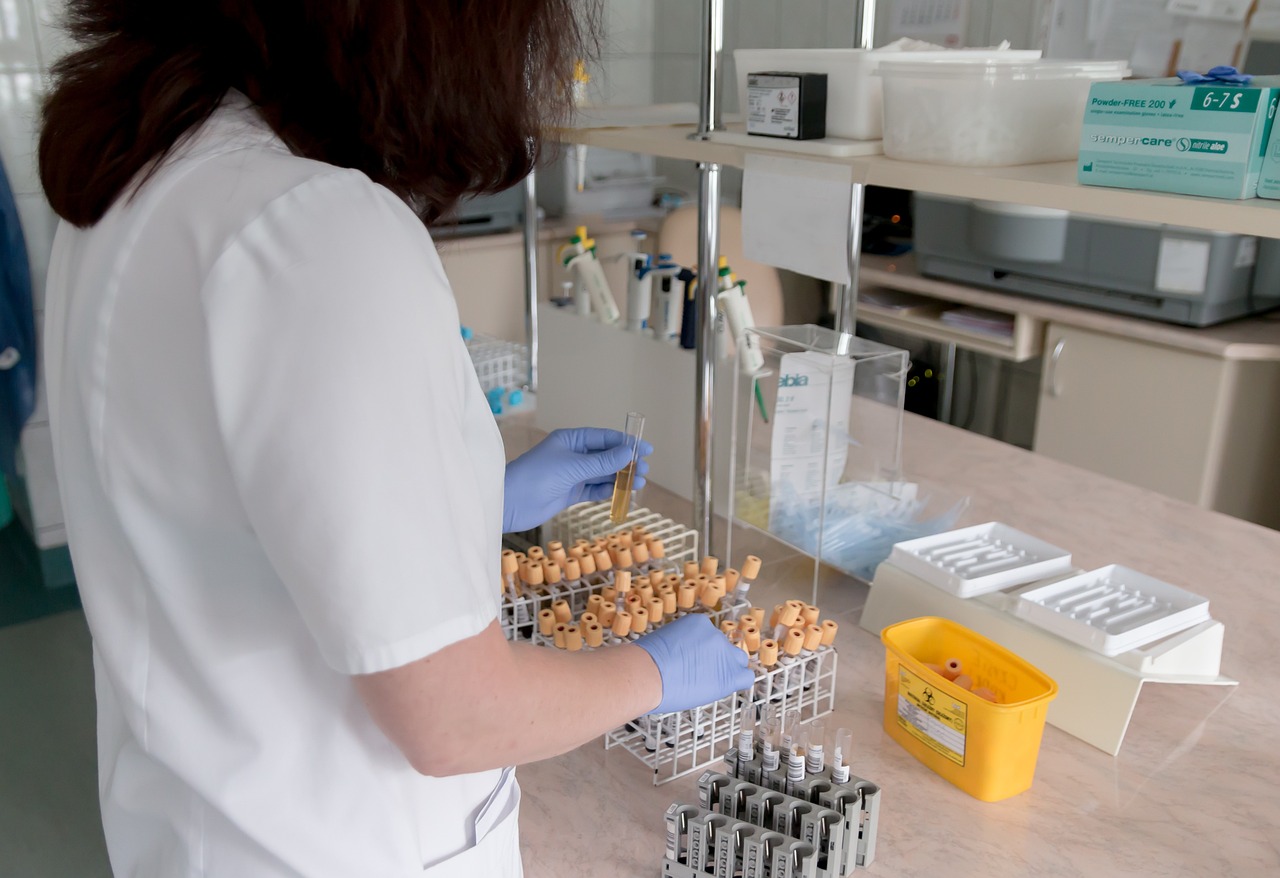
HIV late diagnosis in Argentina has reached its highest level in recent years, now affecting one in every two people who receive a positive result. This alarming statistic was released by Fundación Huésped, a leading Argentine HIV/AIDS advocacy organization, which warned about the sustained growth of this indicator across the country.
Data from the National Bulletin on HIV and STI Response in Argentina, published by Argentina's Ministry of Health, reveals a clear upward trend:
A diagnosis is considered late when the person is already hospitalized or their immune system is severely weakened at the time of detection. This means the infection has progressed without treatment, making recovery more difficult and increasing the risk of transmission.
Leandro Cahn, Executive Director of Fundación Huésped, emphasized: "A timely HIV test saves lives because, if positive, treatment allows for the same life expectancy as someone not living with the virus."
In Argentina, HIV testing is free through the public health system, social insurance (obras sociales), and private health plans. No medical referral or prior preparation is required.
With a single drop of blood from a finger prick, results are available in less than 15 minutes. If the result is reactive (positive), a confirmatory test is performed to initiate immediate treatment.
Argentina is experiencing a widespread increase in sexually transmitted infections (STIs). An estimated 140,000 people are living with HIV in the country. During the 2023-2024 period, 6,900 new cases were diagnosed, exceeding the 6,400 annual cases from 2022–2023 and the 5,300 from the previous report.
The syphilis rate rose from 56.1 cases per 100,000 inhabitants in 2019 to 93 per 100,000 in 2024. By 2025, 55,183 cases were reported, representing a 64% increase over the 2020–2024 median. 98% of new HIV cases originate from unprotected sexual contact.
Cahn also warned about condom distribution: "In 2025, third-quarter budget execution showed a distribution of only 832 condoms, creating shortages across the country."
Argentina's second-largest city offers multiple testing locations:
Free testing campaigns at Community Participation Centers (CPCs) during July:
| Date | Location | Address |
|---|---|---|
| July 2 | CPC Pueyrredón | Gavilán 850 |
| July 7 | CPC Jardín | Celso Barrios corner Av. Pablo Ricchieri |
| July 8 | CPC Capdevila | Federico Rauch 2708 |
| July 13 | CPC Villa El Libertador | Av. Armada Argentina 5500 |
| July 14 | CPC Centro América | Av. Juan B. Justo 4350 |
| July 15 | CPC Mercado de la Ciudad | Oncativo 50 |
| July 16 | CPC Empalme | Av. Gob. Amadeo Sabattini 4650 |
| July 21 | CPC Chalet San Felipe | Diego de Torres 2731 |
| July 22 | CPC Monseñor Pablo Cabrera | Av. Monseñor Pablo Cabrera 4800 |
| July 23 | CPC Ruta 20 | Av. Fuerza Aérea Argentina 4300 |
| July 24 | CPC Colón | Av. Colón 5400 |
| July 28 | CPC Guiñazú | Av. Juan B. Justo 9654 |
Testing hours: 9 AM - 1 PM.
Diosnel Bouchet, head of the Provincial HIV/STI/Viral Hepatitis Program, explained: "If positive, treatment can begin immediately to maintain an excellent quality of life, achieving the Undetectable = Untransmittable status." This means a person on sustained treatment does not transmit the virus through sexual contact.

Alfredo S. Quiroga
