30/06/2026 21:21 - Internacionales
In a moment that has captivated the world, the rescue of Klieber Morán, a 3-year-old boy, brought a glimmer of hope to Venezuela. The child was found alive six days after catastrophic earthquakes struck the northern region on June 24, 2026, far exceeding the typical survival window of 72 hours for trapped victims.
For international readers: Venezuela is a South American nation located on the northern coast, and La Guaira is a coastal state approximately 30 kilometers (18 miles) from Caracas, the capital city. This proximity means the disaster heavily impacted the country's main port and airport infrastructure.
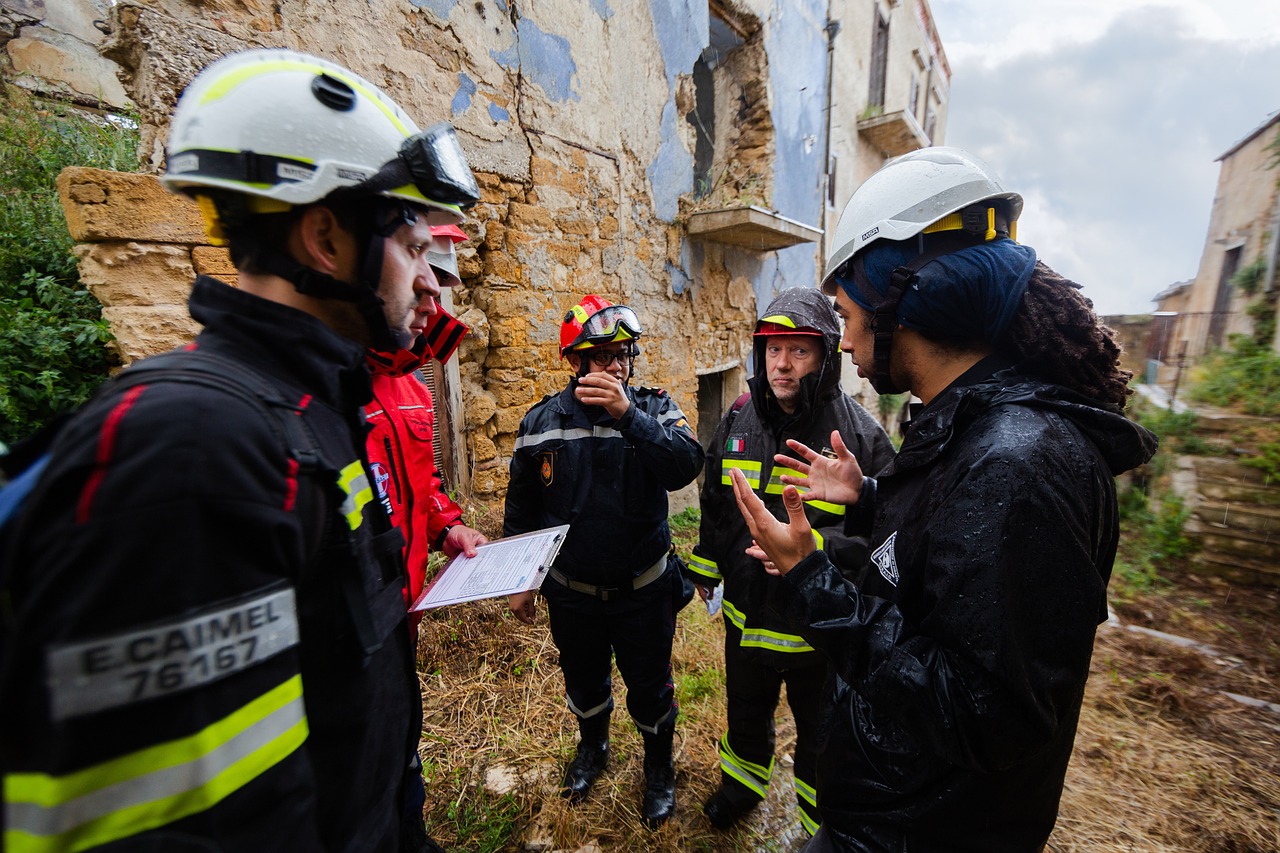
The life-saving operation was carried out by a specialized team from Jordan's Civil Defense, part of the international contingent deployed to Venezuela following the disaster. The rescue took several hours and required advanced imaging technology to monitor the child's condition continuously.
Videos released by rescue teams show the moment when Jordanian rescuers carefully extracted the young boy wrapped in a protective blanket, rushing him to an ambulance where he received oxygen and emergency medical care. He was then transported to a hospital in Caracas, where medical officials reported his condition as stable.
Venezuela's interim president Delcy Rodríguez described the rescue as "a moment of hope" and confirmed the child's identity as Klieber Morán.
Context: Jordan is a Middle Eastern nation known for its highly skilled disaster response teams, which have participated in numerous international rescue operations following earthquakes worldwide.
Survival experts note that the probability of finding living victims drops dramatically after the first 72 hours following an earthquake.
Key survival factors:
| Category | Figures |
|---|---|
| Confirmed Fatalities | 1,943 |
| Injured | +10,500 |
| Estimated Missing | 50,000 - 70,000 |
| Damaged/Destroyed Buildings (NASA estimate) | 58,870 |
| Countries Providing Rescue Teams | 27 |
| International Rescuers Deployed | +3,300 |
More than 27 nations have dispatched specialized rescue teams to Venezuela. Notable recent rescues include:
Spanish military officer Alberto Vázquez from the Military Emergency Unit (UME) stated: "Hope is never lost. We know probabilities decrease after 72 hours, but people are still being found."
The United Nations through UNHCR has requested an initial US$ 15 million to assist 30,000 affected people over six months. Critical issues reported:
On June 30, a humanitarian shipment of 47 tons arrived, including emergency medical kits, safe delivery supplies, and neonatal care equipment.
On June 24, 2026, two powerful earthquakes measuring magnitude 7.2 and 7.5 struck northern Venezuela, primarily devastating the state of La Guaira. To understand the scale: a magnitude 7.0 earthquake releases approximately 32 times more energy than a magnitude 6.0, making these quakes extremely destructive.
NASA satellite imagery analysis estimated nearly 58,870 buildings may have suffered severe damage or complete destruction, leaving tens of thousands homeless.
Argentina's contribution: The South American neighbor has deployed 26 military personnel, canine units, medical teams, water purification equipment, and supplies. Argentina's contingent arrived in Caracas on June 27 and deployed to Caraballeda and La Guaira.
Geographic note: Caraballeda is a coastal town within La Guaira state, about 5 km from the state capital. The region's mountainous terrain has complicated rescue efforts.

Alfredo S. Quiroga