


01/07/2026 10:36 - Economia
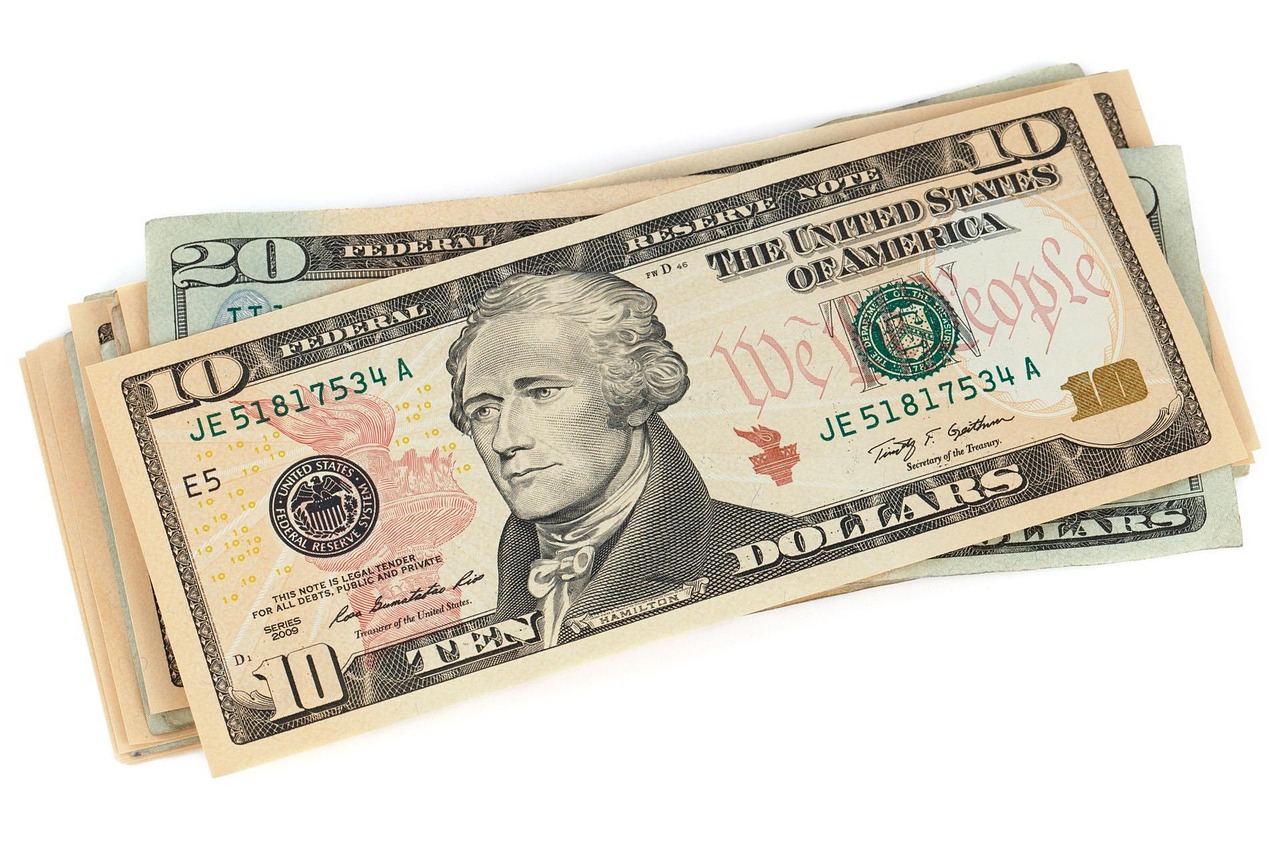
The official dollar reached $1,500 (selling price) at Banco Nación on June 30, 2026, recording its highest level since October 2025. The near 5% rise in June reflects a significant acceleration in the official exchange rate.
For foreign readers: In Argentina, there are multiple exchange rates. The official dollar is the government-regulated rate used for imports, exports, and formal transactions. This is different from the blue dollar (parallel market rate) and the wholesale dollar (used by financial institutions).
According to BBVA Research, projections indicate the official dollar could reach $1,504 for July 2026 and hit $1,653 by December of the same year. These estimates are based on projected inflation of 29% for 2026 and 20% for 2027.
| Period | Projected Value | Estimated Inflation |
|---|---|---|
| July 2026 | $1,504 | ~2% monthly |
| December 2026 | $1,653 | 29% annual |
| 2027 | Stabilization | 20% annual |
The dollar rose approximately 2% in the first half of the year, moderate behavior compared to the 2% monthly rates prevailing in the financial market.
What is Country Risk? It's an indicator measuring the probability that a country will default on its debt payments. A lower number indicates greater confidence from international investors.
The country risk registered a 14% drop in June 2026, positioning itself at 426 basis points, its lowest level since 2018. This improvement reflects investor confidence in the strength of macroeconomic indicators.
Sovereign bonds in dollars accumulated gains of up to 4.4% monthly, with yields of 6-7% in dollars. Meanwhile, rating agencies S&P and Fitch improved the country's credit rating to B-.
The record trade surplus of USD 11.783 billion accumulated between January and May 2026, added to BCRA purchases of USD 11 billion so far this year, sets up a scenario of strengthening international reserves. However, the market remains cautious regarding upcoming maturities: USD 4.3 billion with private creditors on July 9, 2026 and USD 800 million to the IMF in August-September.
Why is this important? Argentina has historically struggled with currency stability and inflation. A gradual, controlled devaluation (as seen with the 5% monthly increase) is considered positive compared to sudden jumps that destabilize the economy. The accumulation of reserves and trade surplus are signs of economic recovery.

Alfredo S. Quiroga
