


03/07/2026 15:05 - Internacionales
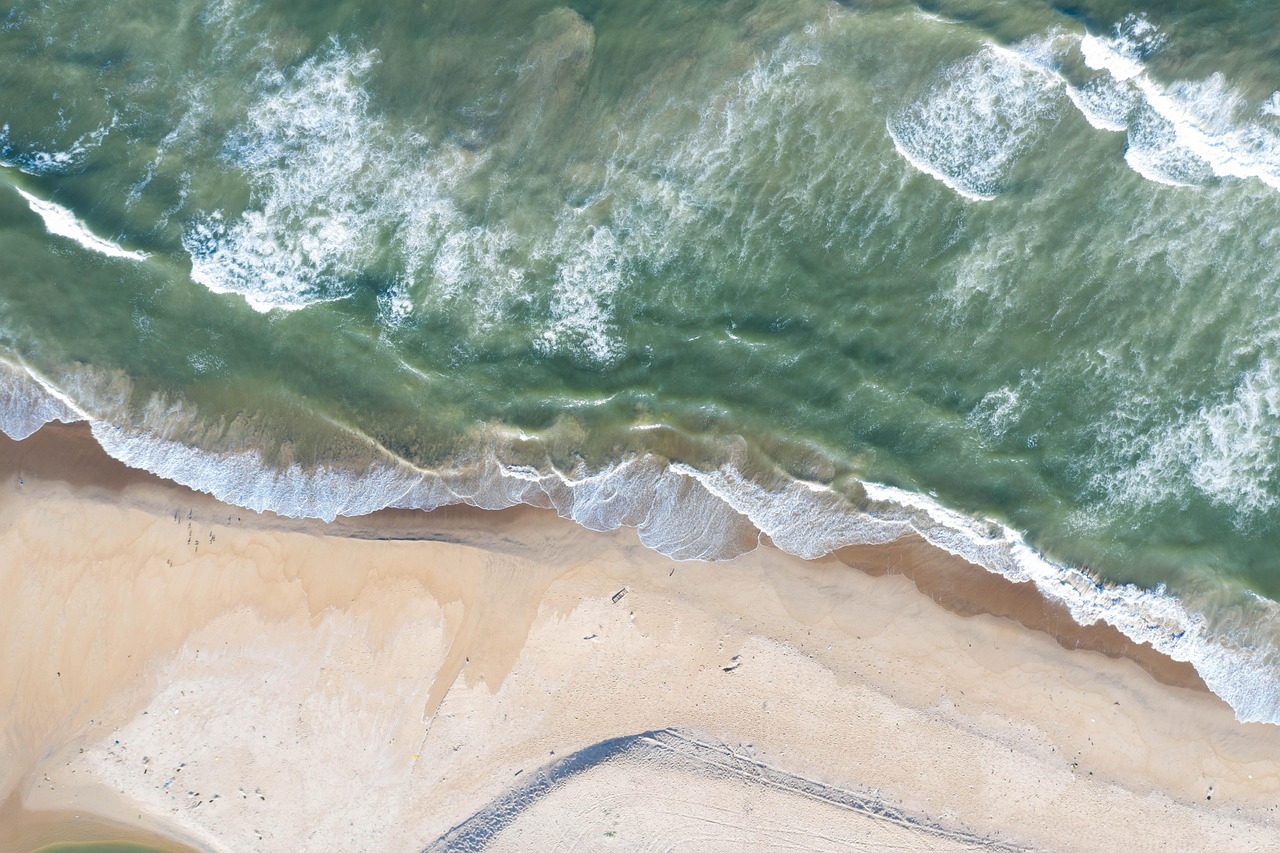
Aerial shots captured by Reuters drones over the coastal state of La Guaira show vast expanses of rubble where complete buildings once stood. The images reveal dozens of people walking through the remains of collapsed structures searching for survivors and belongings, with the Caribbean Sea as a contrasting backdrop to the tragedy. For those unfamiliar with the region, La Guaira is the main coastal gateway to Caracas, Venezuela's capital, and an area historically vulnerable to natural disasters.
On June 24, 2026, a double earthquake with magnitudes of 7.2 and 7.5 struck northern Venezuela, making La Guaira the hardest-hit area in the country. According to the official balance as of July 3, 2026, the tragedy has left at least 2,595 dead and 12,400 injured.
The government reported that nearly 200 buildings completely collapsed, while estimates by NASA suggest that around 58,000 buildings may have been damaged. The UN, for its part, has estimated that the number of missing persons could reach 50,000 to 70,000 people.
Rescue efforts, which entered their second week on Friday July 3, involve about 3,000 rescuers deployed simultaneously in different areas of the state. Since the operations began, 13 people have been rescued alive, bringing a ray of hope to the region.
| Earthquake Date | 06/24/2026 |
| Magnitudes | 7.2 and 7.5 |
| Confirmed Deaths | 2,595 |
| Injured | +12,400 |
| Missing (UN) | 50,000-70,000 |
| Collapsed Buildings | ~200 |
| Damaged Buildings (NASA) | ~58,000 |
| Active Rescuers | ~3,000 |
| Rescued Survivors | 13 |
One of the most hopeful cases was that of Hernán Gil (43 years old), a security guard found under the rubble of a building in Playa Grande after being trapped for eight days. The rescue required more than 72 hours of continuous work by over a hundred international rescuers from 7 countries (Venezuela, Chile, Costa Rica, El Salvador, Mexico, Portugal, and the USA), who provided him with 10.5 liters of water and oxygen through hoses.
Gil was unharmed after sheltering under a table and a chair in a collapsed basement, a testimony of resilience that has given hope to the teams still working on other structures where expectations of finding survivors persist.
Humanitarian and civil organizations on the ground noted that the government's response was slow and ineffective, with delays in delivering food, water, and medical supplies, and a persistent lack of heavy machinery to remove debris.
Joel Sojo Sánchez, a 57-year-old merchant, told Reuters that assistance does not reach all towns: 'We need help beyond Tanaguarena, Quebrada Seca, Osma, Oritapo, Todasana. People are desperate asking for help because there is no food.'
The Executive Vice President of Venezuela, Delcy Rodríguez, defended the official management, assuring that 4,000 officials were deployed in the first 24 hours, a figure that rose to 11,000 at 48 hours and reached 19,000 by the time of her statement.
Rodríguez also dismissed mass graves and reported that fatal victims would be identified through fingerprints, photographs, and forensic dentistry. The government did not provide an official number of missing persons.
The double earthquake sparked a debate about the construction quality of the Gran Misión Vivienda Venezuela buildings, a state housing program launched in 2011 by then-President Hugo Chávez and extended by his successor Nicolás Maduro with the goal of five million homes by 2025. This program was a flagship social policy of the Venezuelan government.
Richard Casanova, director of the College of Engineers of Venezuela, told France 24 that public housing from the program was 'a history of corruption and poor-quality construction', built 'without supervision, inspection, and compliance with specific codes.'
Engineering experts warned it was still premature to attribute the damage solely to the impact of the earthquakes without technical studies. Juan Manuel Fuentes, president of the Mexican Society of Seismic Engineering, explained that some small structures suffered more severe damage than taller buildings, a difference that could be linked to the structural period of each building, soil type, and the quality of materials used.
In response, Rodríguez announced the creation of a presidential commission to evaluate the habitability of homes and review road infrastructure, bridges, and overpasses.
Source: Infobae | 27 countries have sent aid with 3,300 rescuers and 2,000 tons of supplies

Alfredo S. Quiroga
