


04/07/2026 15:58 - Internacionales
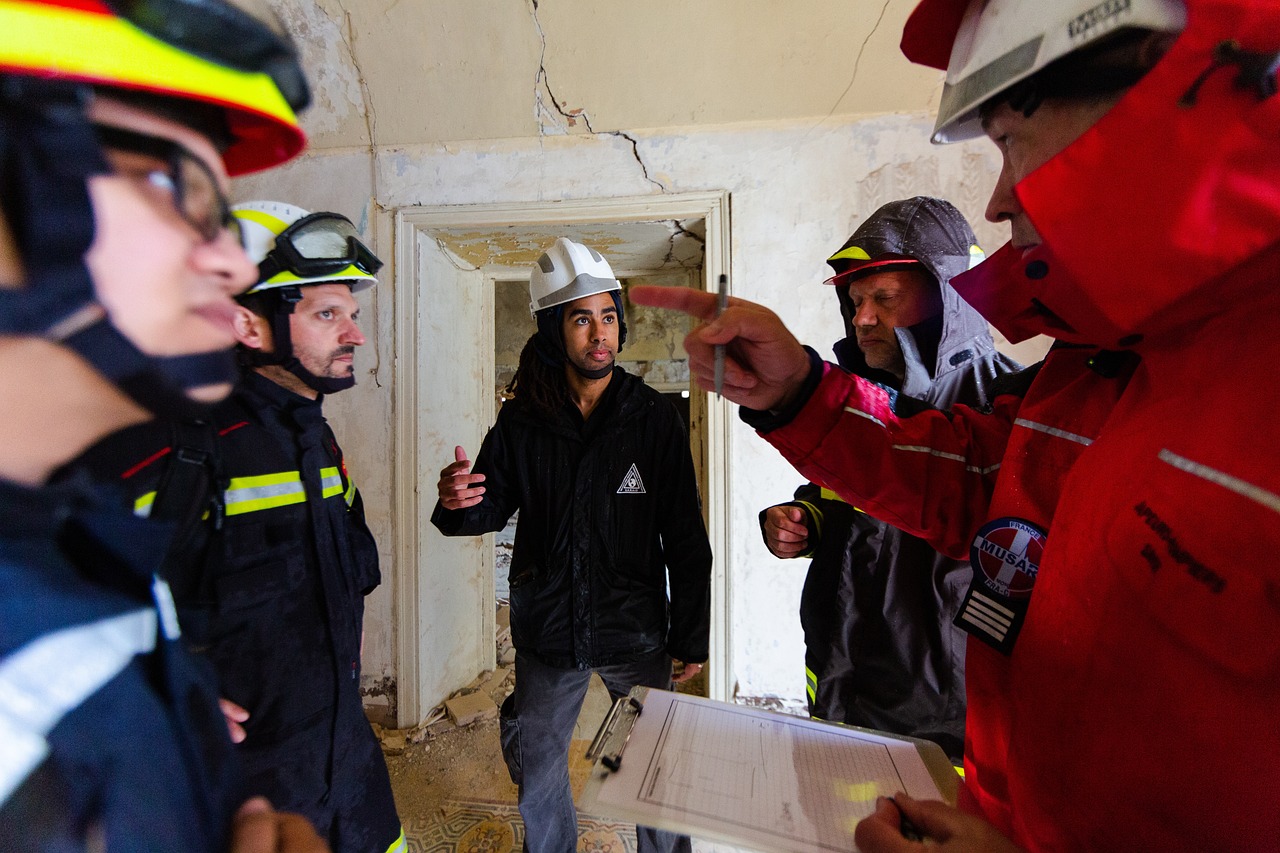
The tragedy that struck Venezuela on June 24, 2026, with two massive earthquakes measuring magnitudes 7.2 and 7.5, has left scenes of utter devastation. However, the story of Hernán Alberto Gil Flores, 43 years old, serves as a powerful reminder that hope and life can bloom even in the most adverse circumstances. Working as a night security guard at the Galerías Playa Grande shopping mall in La Guaira—a coastal state located just north of the capital, Caracas—Hernán reportedly survived thanks to an air pocket formed in his small security cabin, which protected him from the crushing weight of the rubble.
On Thursday, July 2, 2026, after eight harrowing days trapped under the debris, Hernán was reportedly extracted alive amidst the applause and cheers of international rescue teams. The operation was coordinated by firefighter brigades from Chile, alongside specialized teams from the United States, Portugal, Mexico, and the United Kingdom.
According to reports from the Associated Press, a team from the Costa Rican Red Cross (CRRC) detected the first signs of life on Sunday and managed to establish contact with him. Minyar Collado, a team member, shared a touching quote: “When we found him, he asked us not to tell his wife he was alive, in case he didn’t survive.”
Despite structural instability, torrential rains, and persistent aftershocks, rescuers reportedly used a telescopic camera to maintain constant visual contact. Over the last three days, they passed water and liquid nutrients through a narrow conduit. Chilean firefighter María Paz Campos accompanied him verbally throughout the operation, keeping him calm and asking him to wear protective goggles to prevent dust particles from falling into his eyes. In a video published prior to the rescue, Hernán could be seen drawing to pass the time.
When he was finally brought out on a stretcher covered by an orange tarp, Gil Flores’s wife, Gusbimar González, expressed her immense relief: “I saw a ray of light in the darkness.”
The earthquakes that pounded the northern coast of Venezuela in late June have been devastating. According to the official balance as of July 3, 2026, the tragedy has reportedly left 2,595 dead, 12,400 injured, and an estimated 50,000 to 70,000 missing according to the United Nations. NASA is reported to have estimated that more than 58,000 buildings were damaged or destroyed, leaving some 16,000 people homeless.
The government, led by high-ranking official Delcy Rodríguez, is reported to have deployed 19,000 officials, while 27 countries have sent aid with a total of 3,300 rescuers. The World Health Organization (WHO) has reportedly allocated USD 1.5 million in medical supplies. Russ Gauden, coordinator of the UK search and rescue team, highlighted the resilience of the local population, extending the usual survival window of 96 hours to over 130 hours in this region of the world.
The UN World Food Programme has appealed for funds to feed around 500,000 people for three months, as resources like food and safe drinking water begin to run scarce. Families continue to wait near the rubble, hoping for more miracles like Hernán's.
Source: The Guardian

Alfredo S. Quiroga
