04/07/2026 15:35 - Internacionales
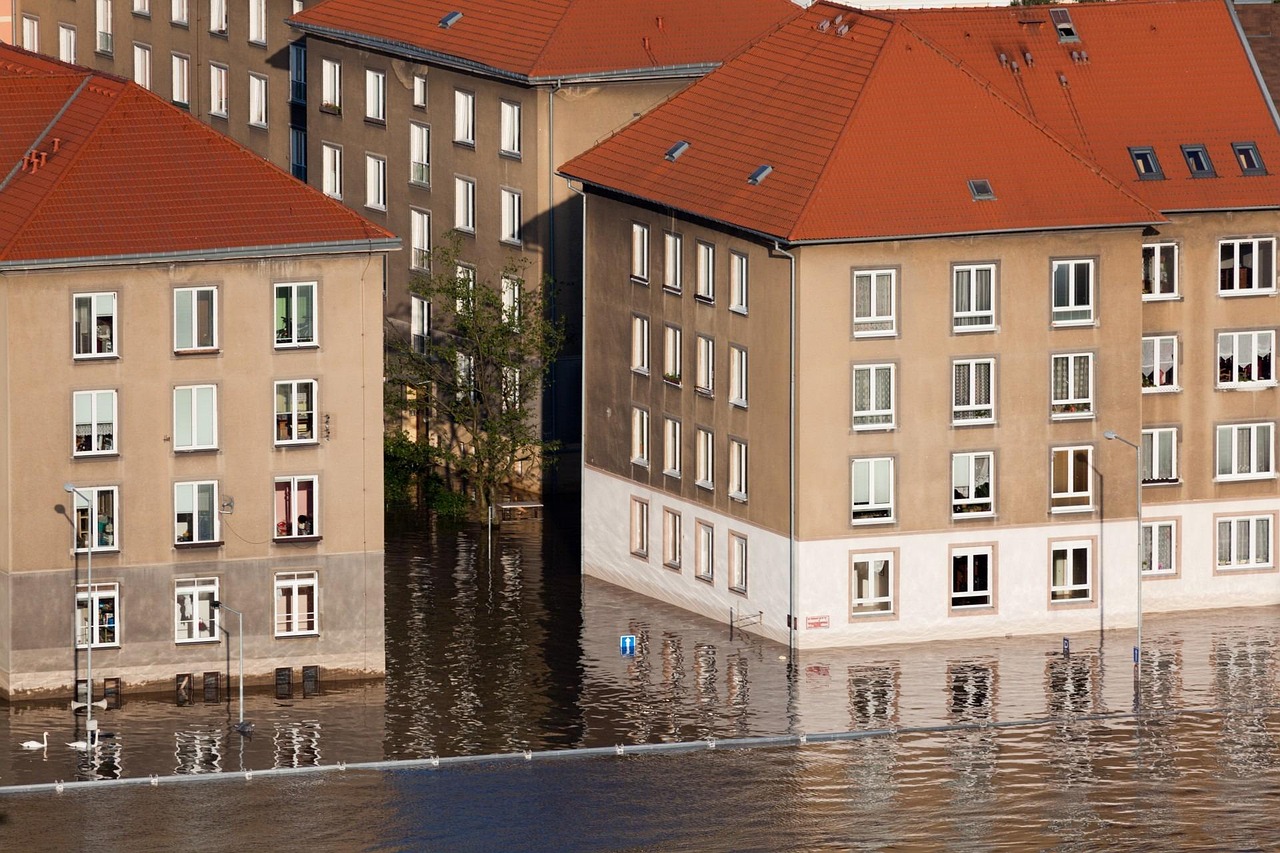
According to The Guardian, devastating floods in Ivory Coast (officially known as Côte d'Ivoire, a country on the southern coast of West Africa) have claimed the lives of 59 people since May. During a cabinet meeting in Abidjan, the country's economic capital, Minister of Communication Amadou Coulibaly warned that the death toll might increase. Rescue teams are continuously searching for victims amidst a rainy season that typically extends from May to July in this tropical region.
Videos circulating on social media depict entire neighborhoods completely submerged. Residents can be seen navigating the waters in search of safer zones, demonstrating incredible resilience in the face of this climatic adversity.
In neighboring Ghana, located just east of Ivory Coast, the situation has also been critical. Local authorities reported at least 13 deaths, but a massive humanitarian effort succeeded in rescuing more than 400 people last Tuesday. Ghana's President, John Mahama, highlighted that the capital, Accra, recorded approximately 140 mm of rain, an alarming figure compared to the previous year's historical record of around 56 mm in a single day.
The torrential rains have also impacted Benin, Togo, and Nigeria, though no fatalities have been confirmed in these latter countries. In Lagos, Nigeria's most populous city, floodwaters disrupted operations at a transmission substation, causing power outages in several neighborhoods. However, authorities are already working to restore the service.
The World Meteorological Organization (WMO) has warned that although Africa contributes minimally to global greenhouse gas emissions, the continent is especially vulnerable to extreme weather events. Looking ahead, the Nigerian Meteorological Agency (NiMet) has projected above-normal rainfall for the capital, Abuja, and nine other states this year. This proactive forecasting allows authorities to anticipate and protect their populations.
Despite the tragedy, the ongoing rescue efforts and the growing awareness of climate change and urban planning offer a beacon of hope. West African nations are confronting this challenge with increasingly coordinated response teams and a firm conviction to adapt their infrastructure, ensuring a safer and more resilient future for all their inhabitants.

Alfredo S. Quiroga