07/07/2026 21:50 - Internacionales
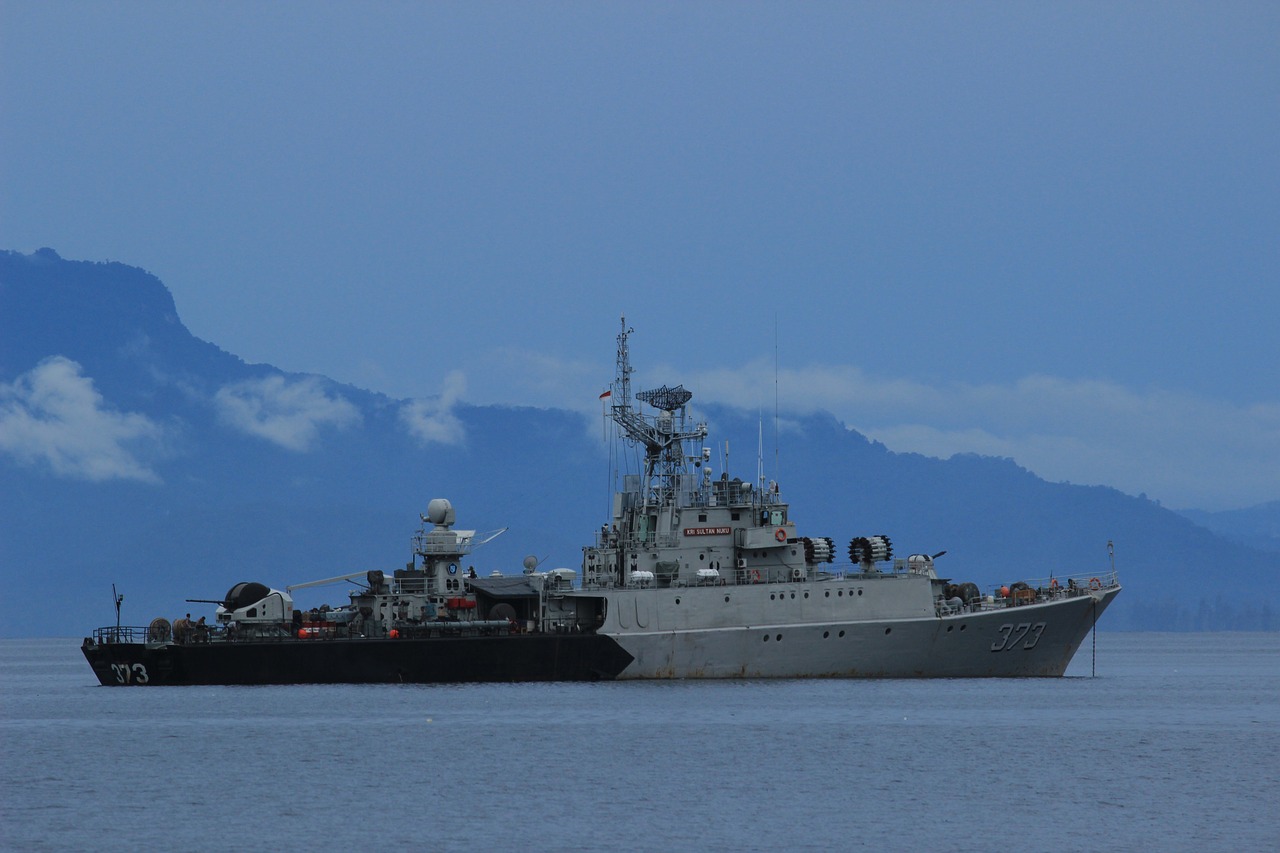
On Tuesday, July 7, 2026, the United States Central Command (CENTCOM) announced via the social media platform X that it had carried out a series of powerful strikes against Iran. This military operation was a direct response to Iranian attacks on three commercial vessels transiting through the highly strategic Strait of Hormuz.
The US statement characterized Iran's aggression as unjustified, dangerous, and a flagrant violation of the ceasefire previously established between the two nations. The military operation aims to impose high costs on Tehran for jeopardizing international navigation.
According to Iranian state media, six explosions were heard on Qeshm Island, seven explosions in the city of Sirik, and further detonations were reported in the major port city of Bandar Abbas.
US authorities detailed that Iran had attacked three ships in the Strait of Hormuz in recent hours. The targets included a Qatari-flagged gas carrier and a Saudi oil tanker. While the incidents caused material damage, no crew casualties were reported.
Both Qatar and Saudi Arabia held Tehran responsible for the attacks, condemning these actions as a severe threat to international maritime security and the global energy supply. The Strait of Hormuz is a critical artery for the worldwide transport of oil and gas.
The escalating tensions prompted Washington to take a further step in economic pressure. The US Department of the Treasury revoked General License X, issued on June 21, 2026, which had allowed the Islamic Republic to produce, sell, and deliver crude oil until August 21.
This license was replaced by License X1, eliminating the previous authorization for such activities and establishing an orderly wind-down process for already permitted operations. Iran's actions in the strait were totally unacceptable to the United States and will have consequences, a US Treasury official told the AFP news agency.
The direct conflict between the United States and Iran began on February 28, 2026. In June, a framework of understanding and a ceasefire had been reached, which included temporary sanctions relief on oil. However, the recent incidents in the Strait of Hormuz mark a significant setback in relations, threatening to reignite the conflict in an already unstable region.

Alfredo S. Quiroga