


11/07/2026 19:12 - Internacionales
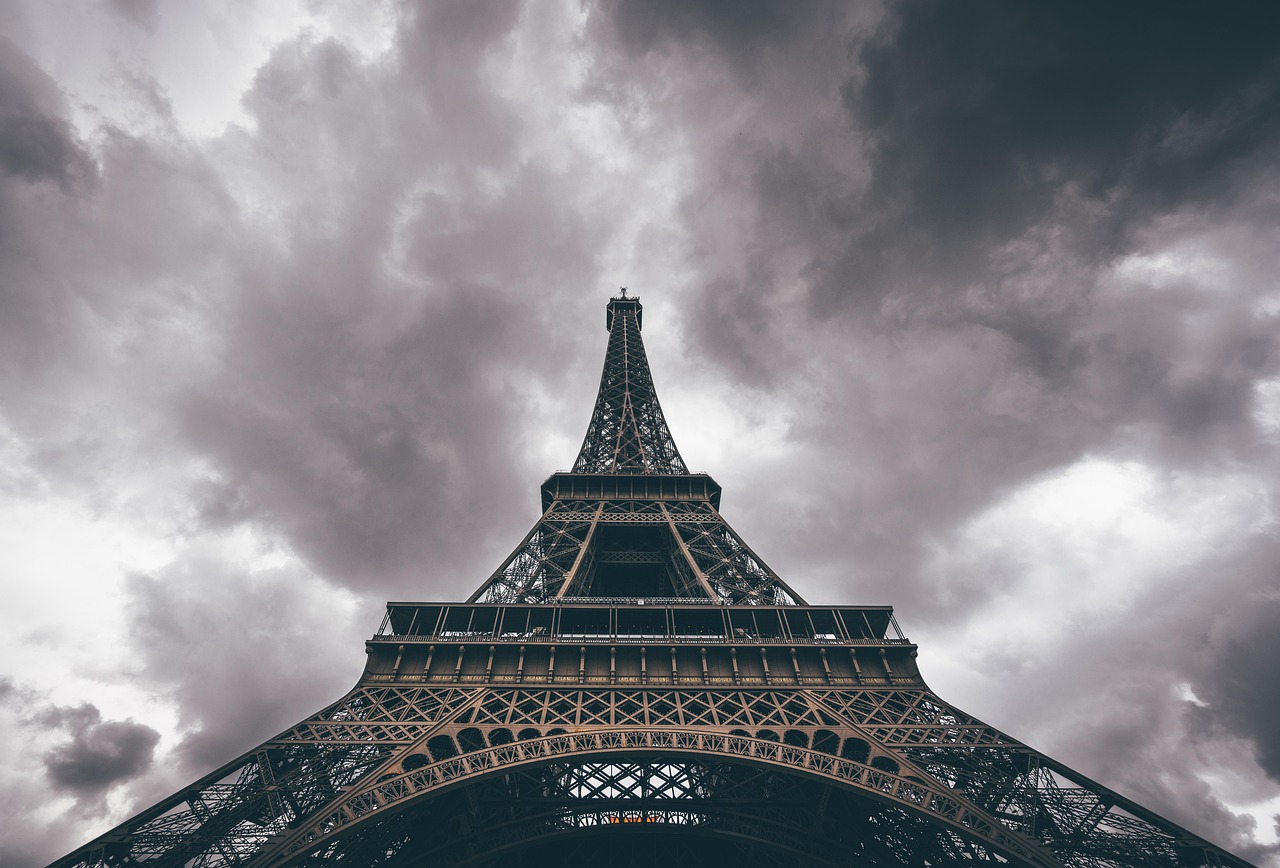
Climate change continues to strike Europe with historic thermal struggles. Paris is currently under a red alert due to the second extreme heatwave of the summer, forcing major tourist landmarks to adjust their schedules to protect both locals and visitors.
According to Deutsche Welle, this Saturday, July 11, 2026, the iconic Eiffel Tower will close early at 4:00 PM (16:00 hours) on both Saturday and Sunday. The last admission via stairs will be at 12:15 PM and by elevator at 12:30 PM, with automatic refunds for later tickets. The tower's restaurants will stop admitting customers at 1:30 PM.
The Louvre Museum—the most visited museum in the world, home to the Mona Lisa and countless historic treasures—will also close at 4:00 PM with last entry at 2:00 PM through Monday. Meanwhile, the Musée d'Orsay, famous for its impressionist masterpieces, will advance its closing time to 5:00 PM until Wednesday, July 15, offering automatic refunds for tickets scheduled after 3:30 PM.
| Landmark | Closing Time | Last Entry | Valid Until |
|---|---|---|---|
| Eiffel Tower | 4:00 PM | 12:15 PM (stairs) / 12:30 PM (elevator) | Saturday and Sunday |
| Louvre Museum | 4:00 PM | 2:00 PM | Through Monday |
| Musée d'Orsay | 5:00 PM | 4:00 PM | Until July 15 |
As reported by MDZol, the French national meteorological service, Météo France, has indicated that the Île-de-France region (the metropolitan area surrounding Paris, home to 12 million people) is under maximum alert for the second time this year. The alert is expected to extend to over 20 departments, affecting approximately 22 million French citizens.
Maximum temperatures are expected to reach 40°C (104°F) with peaks of 42°C (107.6°F), hitting their highest point between Sunday and Monday. The heatwave is estimated to end between July 16 and 17. French Prime Minister Sébastien Lecornu led a crisis meeting to coordinate the government's response and protect the population.
French health authorities reported that the previous heatwave in June resulted in 2,025 additional deaths (about 30% more than usual) and at least 90 drownings from people trying to cool off. Given this situation, the public is strongly advised to stay hydrated, avoid sun exposure during peak hours, and use the water points set up in public spaces and monument accesses.
Remaining hopeful that these preventive measures will successfully protect all residents and tourists in France, we remain attentive to the climate evolution in Europe, optimistic about the resilience of the community.

Alfredo S. Quiroga
