


12/07/2026 10:13 - Economia
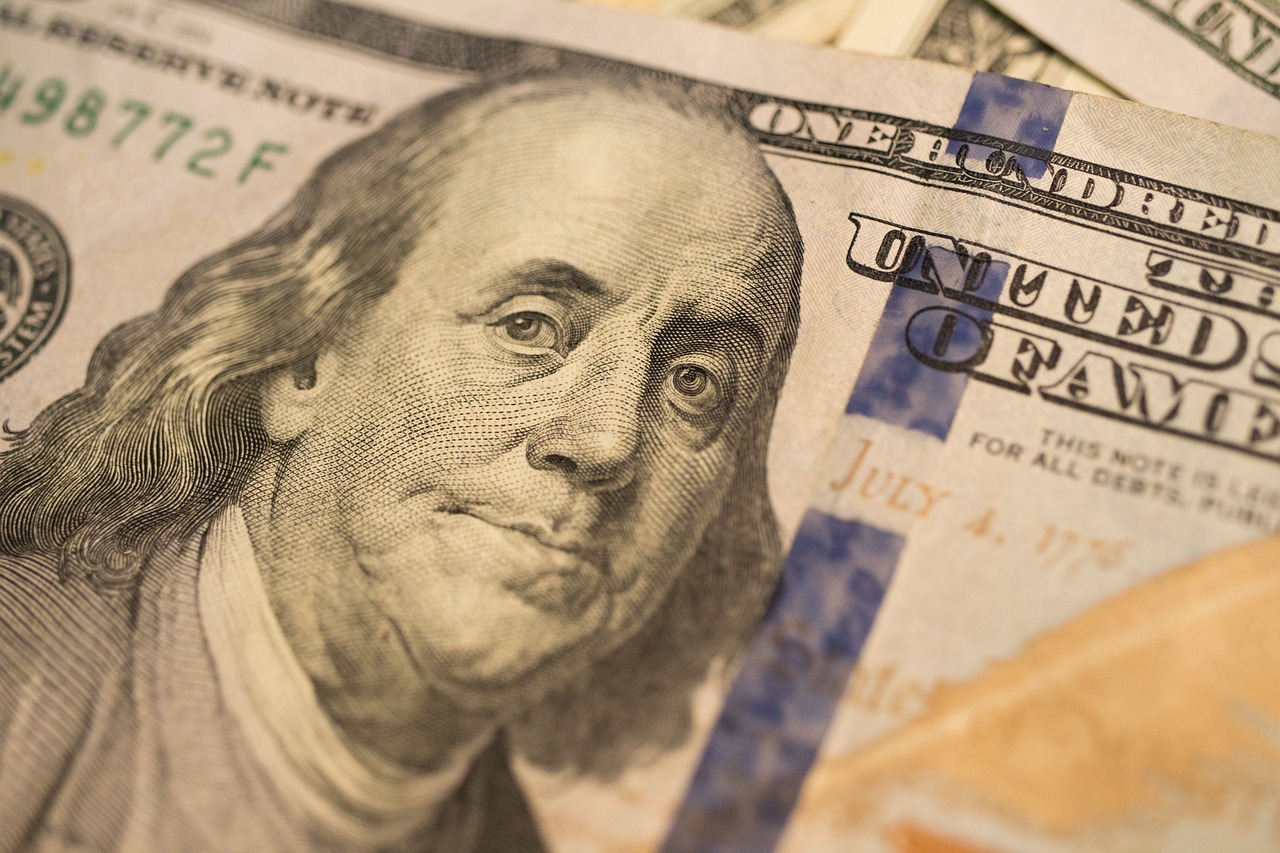
After a well-deserved rest for a national holiday, Argentine banks will reopen their doors this Monday, July 13, 2026. As confirmed by financial institutions, the official US dollar exchange rate for retail sale will start the day at 1,515 Argentine pesos (ARS) at Banco Nacion (the National Bank of Argentina).
Note for foreigners: In Argentina, the official exchange rate is the price set by the government and sold at authorized banks. It is usually the most affordable rate, though subject to specific taxes and limits for tourists and locals.
| Bank | Selling Price (ARS) |
|---|---|
| Banco Nacion | $1,515 |
| Banco Galicia | $1,510 |
| Banco BBVA | $1,515 |
| Banco Santander | $1,515 |
| Banco Ciudad | $1,510 |
| Banco Patagonia | $1,515 |
| Banco Macro | $1,519 |
| Banco Hipotecario | $1,510 |
| Banco Supervielle | $1,517 |
| Banco Credicoop | $1,515 |
| Banco Piano | $1,515 |
| Banco Comercio | $1,515 |
| ICBC | $1,510 |
| Brubank | $1,500 |
The financial landscape shows encouraging signs. During last week, the national government fulfilled its debt payment of 4.2 billion US dollars (USD), and foreign investors have already begun to perceive their returns.
With the aim of capturing part of those dollars returning to the market, a new Bonar 2029 will be launched next week. A Bonar is an Argentine sovereign bond denominated in US dollars. This debt instrument, totaling 2 billion US dollars (USD), has a very attractive feature: it will pay interest on a monthly basis, functioning similarly to rental income for the investor. The auction is scheduled for July 15, 2026.
The Country Risk index measures the probability that a country will default on its debt. This indicator is currently on the verge of breaking below 400 basis points, a signal reflecting the growing confidence of international markets in the local economy.
The economic team projects covering 25 billion US dollars (USD) in maturities next year through alternative sources, such as purchases from the Central Bank of Argentina (BCRA) and multilateral organizations.
Source: Los Andes

Alfredo S. Quiroga
