16/07/2026 09:31 - Economia
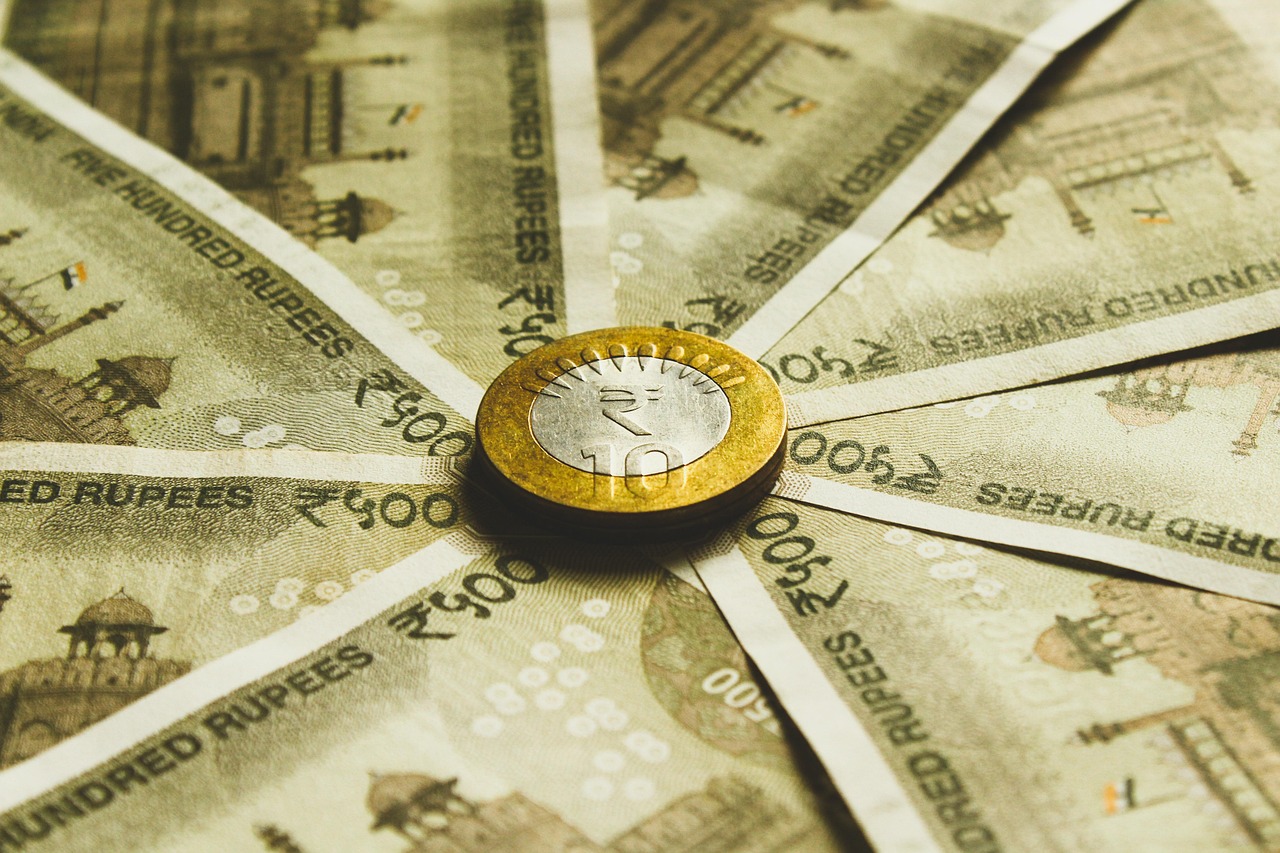
According to reports released on July 15 and 16, 2026, the United States government would have confirmed the application of a 25% tariff on various Brazilian products, following the expiration of the deadline set by the White House to announce its final decision.
The Office of the United States Trade Representative (USTR) had been evaluating alleged unfair trade practices by the South American giant, aiming to balance the trade scale in the hemisphere.
One of the main issues pointed out by Washington is the Brazilian payment system PIX. To provide context for international readers, PIX is a tool launched by the Central Bank of Brazil in 2020 that allows instant money transfers, available 24/7 and at no cost to regular users. This system vastly democratized financial access in the country. The U.S. alleges that this tool could harm American competitors, such as credit card companies.
Additionally, the possibility of applying an additional 12.5% tariff was evaluated, considering that Brazil should strengthen its policies to combat forced labor. This reprimand could encourage improvements in labor standards across the region.
Brazilian Foreign Minister Mauro Vieira recently held conversations with U.S. Trade Representative Jamieson Greer. Vieira stated that they "did not stop negotiating until the last moment" and emphasized that, although they consider the measure disproportionate, the path toward a mutually suitable bilateral agreement remains a priority for both governments.
This scenario unfolds less than three months before the presidential elections in Brazil, scheduled for October 2026, where President Luiz Inácio Lula da Silva will seek re-election. In an episode demonstrating democratic vitality, right-wing pre-candidate Flávio Bolsonaro recently traveled to Washington to dialogue with the Donald Trump administration, seeking to avoid the imposition of tariffs and showing that, beyond differences, the country's economic well-being is a shared goal.
Previously, Trump had imposed punitive tariffs on Brazil, which were later mostly repealed. This offers a ray of hope that current negotiations could lead to new understandings that benefit trade and prosperity for both nations.
Sources: Infobae and Yahoo Finance (AFP).

Alfredo S. Quiroga