


21/07/2026 03:31 - Actualidad
Event Date: Monday, July 20, 2026
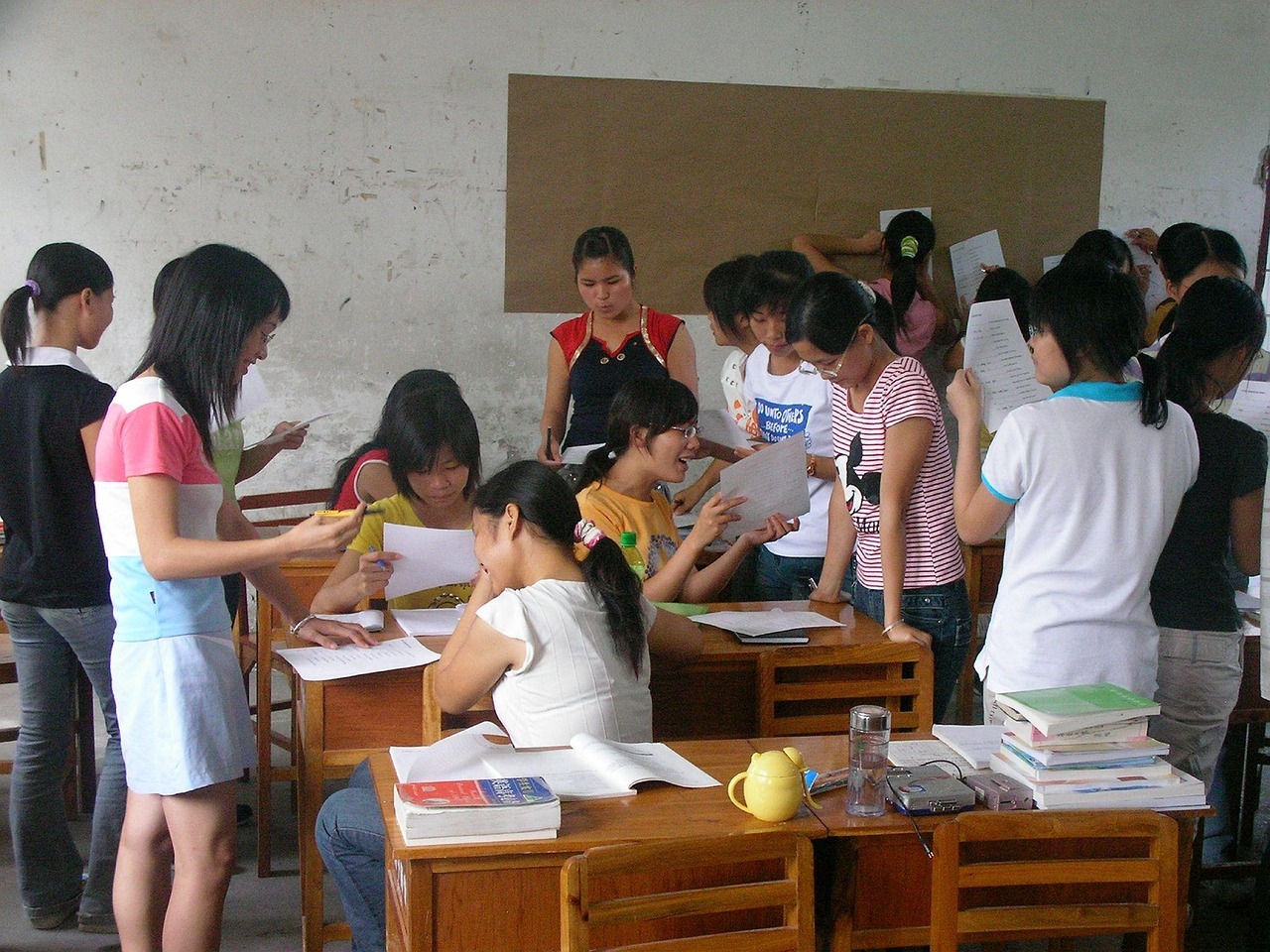
The return to classrooms in the province of Entre Ríos, Argentina, after the winter recess took place on July 20, 2026, during a 24-hour strike called by the Association of Teachers of Entre Ríos (AGMER), with the support of the Association of Technical Education Teachers (AMET). For our international readers, Entre Ríos is a central Argentine province known for its rich educational tradition and vibrant economy.
According to the General Council of Education (CGE) —the provincial body overseeing educational policies— there was a 75% teacher attendance rate across the 17 departments of the province. The CGE highlighted that this broad attendance consolidated the normal operation of schools and allowed the vast majority of students to resume their pedagogical activities without interruption.
On the other hand, as reported by local media, the leadership of AGMER in Paraná (the provincial capital) estimated an 85% compliance with the strike in that specific department, where a leafleting campaign was held at Plaza 1 de Mayo to make their demands visible.
In Argentina, paritarias are collective bargaining negotiations where the State (as the employer) and unions (as workers representatives) discuss and agree on salary adjustments and working conditions. If no agreement is reached, the State can impose the increase by decree, as happened in this case.
The strike was decided after negotiation instances failed. As explained by Manuel Gómez, general secretary of AGMER Paraná, the provincial government offered a 3% increase for July (to be paid in August) and a 4% increase for September (to be paid in October). Faced with the union's rejection, the Executive Branch applied the raise by decree.
Key points of the official measure include:
AGMER argued that this proposal is insufficient against accumulated inflation. Gómez detailed that, considering an inflation rate of 18% between December and June, teachers have been suffering a loss of purchasing power of 16.6% in the first half of the year. The union insists on the need for a comprehensive proposal to reverse this situation in the short term.
Despite the discrepancies, the scenario presents open doors for dialogue. The provincial government emphasized the continuity of the negotiation scheme, aiming to continue evaluating the labor and salary variables of the sector together with union representatives.
The teacher conflict is also framed within the debate on a pension reform project, against which AGMER is evaluating possible legal actions. However, the emphasis of both parties seems to be placed on safeguarding the continuity of the educational service and the students right to learn, as highlighted by the CGE in its statement.
Education in Entre Ríos continues its path with the hope that dialogue will bear fruit and guarantee dignified conditions for those who train future generations, reaffirming the fundamental value of the school as a pillar of society.

Alfredo S. Quiroga
