


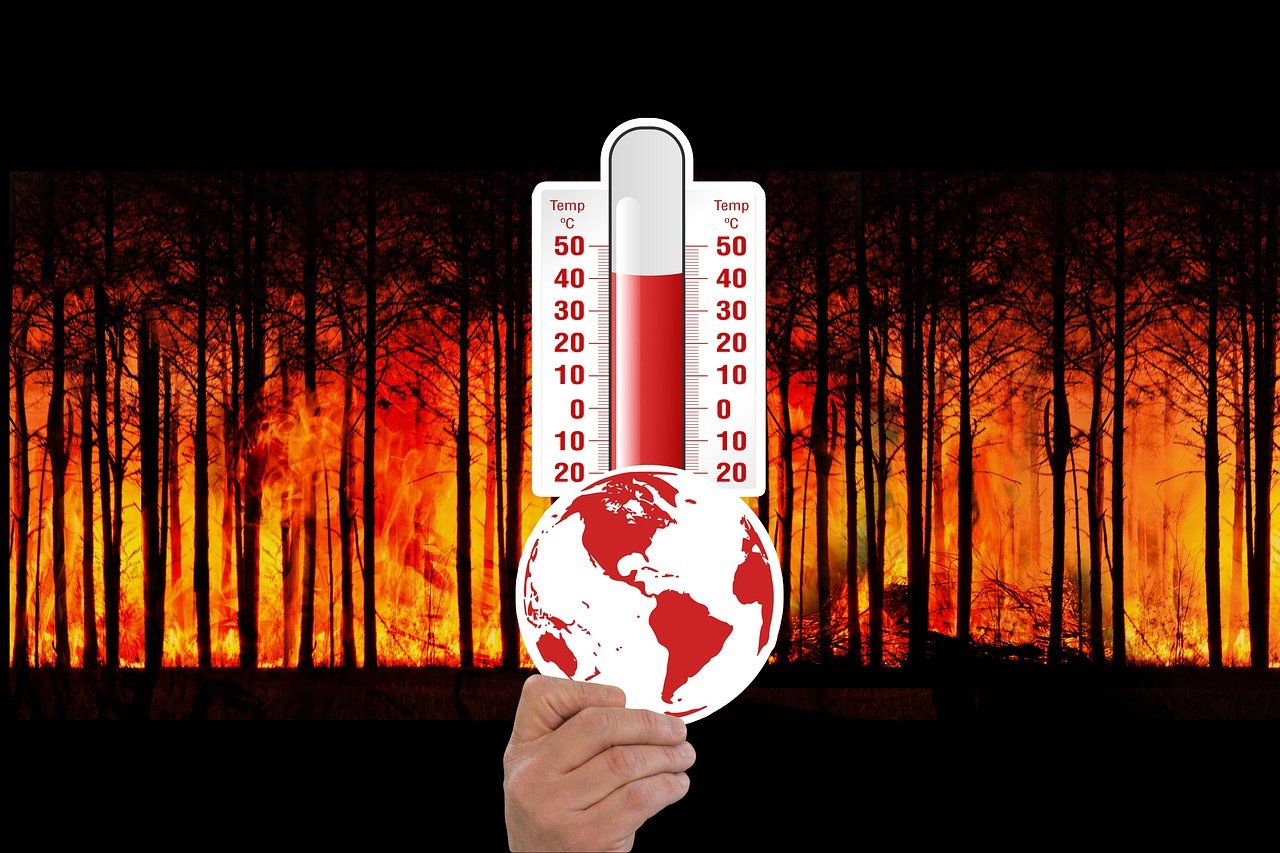
A Turning Point in Climate Action
On September 2, 2026, the United Nations Environment Programme (UNEP) released a report that shakes the foundations of global climate policy. The document, authored by dozens of scientists, concludes that the +1.5°C limit set by the 2015 Paris Agreement—signed by nearly 200 countries—will not be met. The challenge is no longer avoiding overshoot, but managing it.
The planet has already warmed by approximately 1.4°C since the pre-industrial period (1850-1900), and the 1.5°C threshold is expected to be crossed in the coming years. The report, titled 'Paradox of Progress', proposes a shift in approach: reducing the magnitude and duration of the 'overshoot' period through deep and rapid emissions cuts, combined with carbon dioxide removal techniques (extracting carbon from the air and storing it).
“It’s a return to reality. We must live with this warmer world, but there is still much to do to limit warming,” said Richard Betts, co-author and scientist at the University of Exeter.
Critical Voices: Risk of Apathy?
The report is not without controversy. Jasper Inventor, from Greenpeace International, called the moment “heartbreaking” but insisted that “this overshoot is not a reason to give up and abandon the 1.5°C goal.” Meanwhile, Bill Hare, from Climate Analytics, warned that the report risks becoming “a call to apathy.”
Lili Fuhr, from the Center for International Environmental Law (CIEL), questioned speculative technological solutions: “The only way to minimize damage is to reduce emissions now.”
Climate Governance: A Necessary Rethink
South African climatologist Debra Roberts, also a co-author, stressed that “we must now rethink our climate governance to deal with an overshoot trajectory. None of our plans are prepared for that.”
UNEP Executive Director Inger Andersen was blunt: “There will be no favorable outcome if we stay above 1.5°C.” In turn, UN Secretary-General António Guterres reminded that “the fight to limit warming to 1.5 degrees is the fight for humanity.”
Risks and Concrete Consequences
Exceeding the 1.5°C threshold implies more extreme weather events, collapse of polar ice caps, and disappearance of tropical coral reefs. In the Pacific, impacts are already felt: food shortages, drinking water affected by sea-level rise, tuna migration eastward, and a 65% loss of catches for coastal fishers.
This report comes after 2025, when Guterres admitted that exceeding the 1.5°C barrier was inevitable. Now, the scientific and political community debates how to prevent the diagnosis from becoming a self-fulfilling prophecy.
Key Report Data
- Date: September 2, 2026
- Organization: UNEP
- Current warming: 1.4°C since 1850-1900
- Projection: Exceeding 1.5°C in the coming years
- Proposed measures: Deep emissions cuts + CO2 capture
Source: Euronews