


Thermometers in the Red: The Heat Dome Effect in Europe
According to The Guardian, countries such as Slovakia, Austria, and Hungary have registered temperatures exceeding 42°C in the first week of August 2026. Slovakia reached a new high of 42.2°C in Dolné Plachtince, while Hungary recorded a peak of 41.8°C, surpassing a record that had stood since 1905. In Austria, the thermometer hit 41.2°C.
This phenomenon is driven by a heat dome—a high-pressure system that traps warm air near the surface, leading to tropical nights with temperatures above 28°C. Although the situation is concerning, these events are serving as a powerful wake-up call to accelerate the energy transition.
The Unveiled Danube: History and Energy
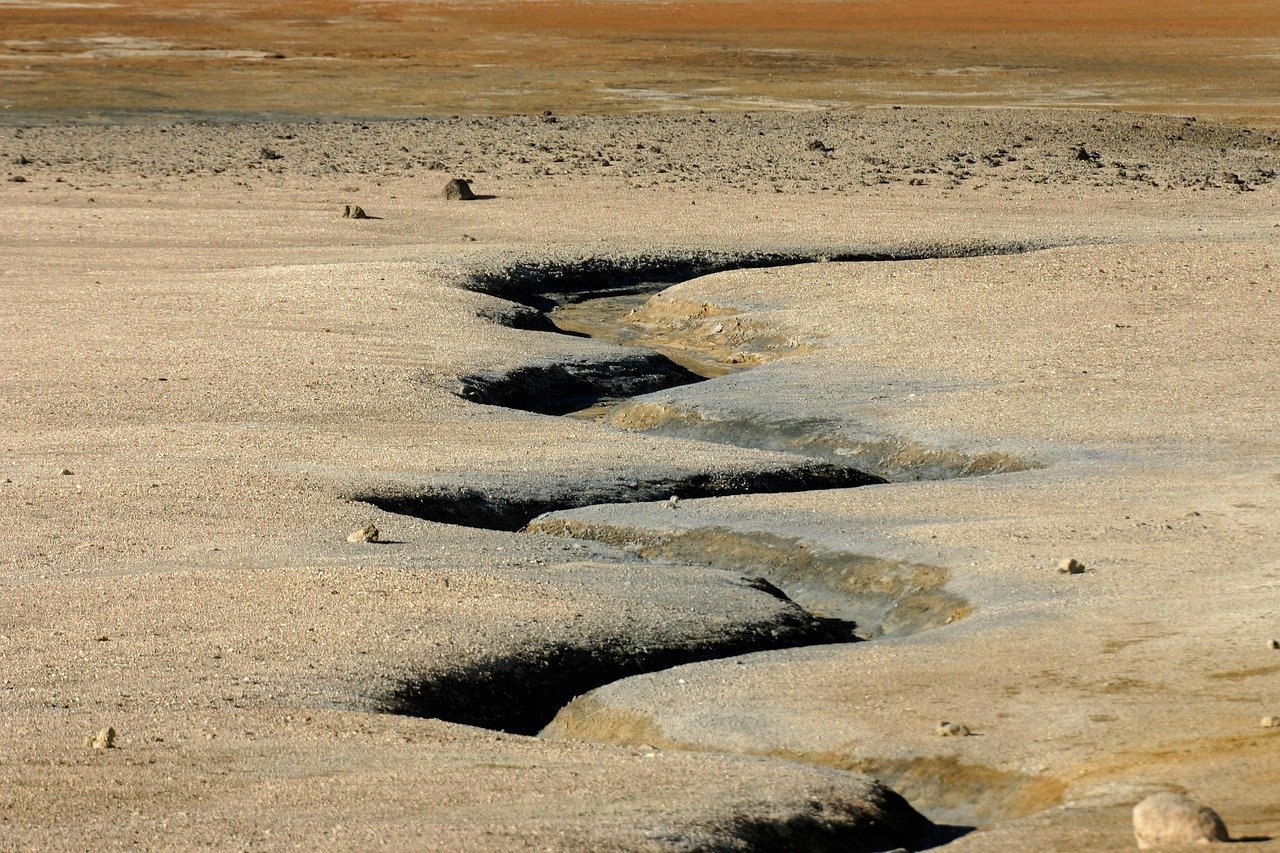
The prolonged heat has dried out the soil and vegetation, bringing the Danube River—a vital waterway flowing through Central and Eastern Europe—to its lowest level in history. Fascinatingly, this drop has allowed the discovery of ancient wonders such as woolly mammoth bones, World War II ships, and remnants of a Roman bridge from Emperor Constantine's era.
However, the lack of water presents challenges for infrastructure. The insufficient cooling water supply forced Poland to close the Kozienice and Połaniec coal plants, removing 1.3 GW from its electrical grid. Nuclear power plants in Slovakia, Serbia, and Hungary also saw their efficiency affected, although Hungary managed to bring a turbine online at the Paks plant after a slight rise in the river level.
Climate Awareness and a Look Towards Asia
Dry conditions have set the stage for wildfires in Italy, France, Serbia, and Bulgaria. In Germany, climate activists from Fridays for Future protested outside the chancellery demanding urgent action, amid estimates from the Robert Koch Institute of 11,900 heat-related deaths this summer. Experts point out that this crisis is an opportunity to accelerate the development of renewable energies, such as wind and solar, which require less water to generate electricity.
Meanwhile, in East Asia, communities are also facing extreme weather with preparation. Typhoon Dolphin made landfall in China with a red alert, and Japan is preparing for the arrival of Typhoon Chan-hom. Even as global weather shows its force, the resilience of populations and the advancement of science keep us firmly on the path toward a more sustainable future.