


16/06/2026 03:17 - Sociales
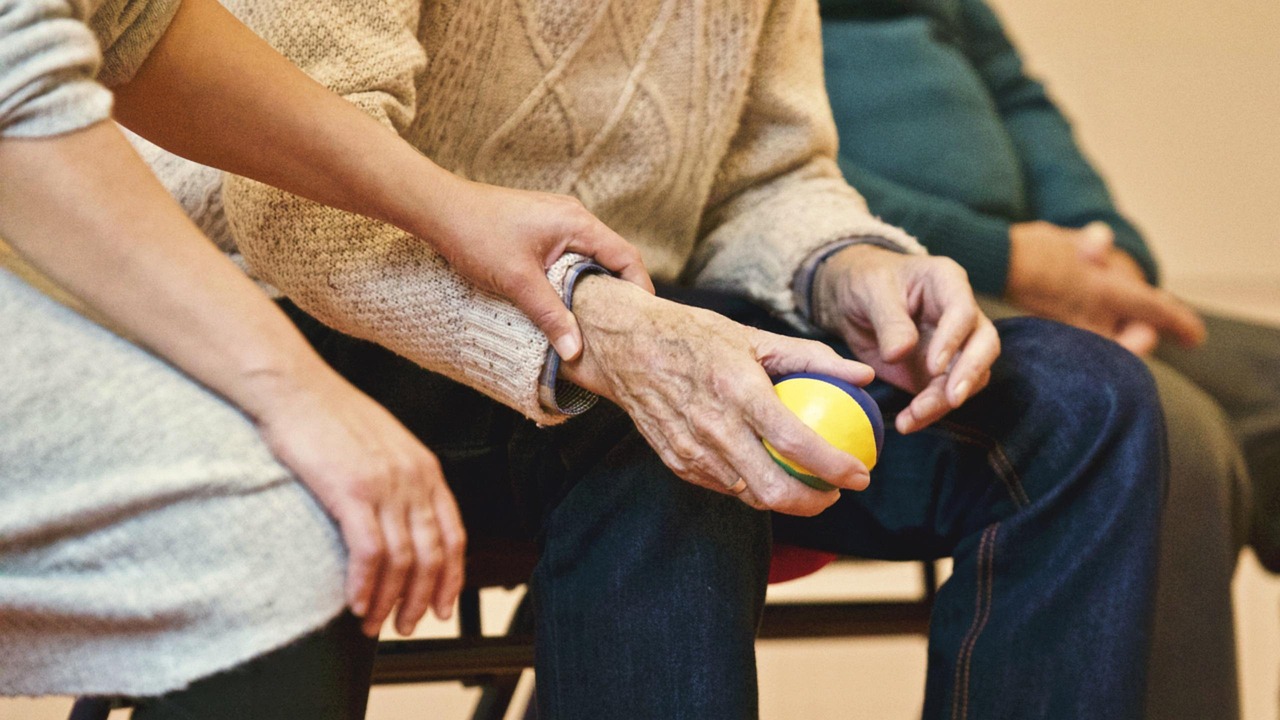
Manos de una persona mayor siendo sostenidas con delicadeza por manos más jóvenes, representando el cuidado y apoyo hacia los adultos mayores, con luz cálida y ambiente protector
Every June 15, the world commemorates World Elder Abuse Awareness Day, a date established by the United Nations to bring visibility to a problem that remains silenced in countless households. In 2026, the UN proposed the theme "Beyond Awareness: Achieving Effective Prevention of Elder Abuse", a direct call to move from words to concrete actions.
An analysis published in the journal BMC Public Health, which gathered data from 94 studies across 35 countries involving more than 776,000 participants, revealed an alarming statistic: more than 1 in 4 older adults suffers some form of abuse. Researchers warn this figure likely underestimates the reality, as fear, dependence on abusers, and stigma prevent many cases from coming to light.
| Type of Abuse | Prevalence | Description |
|---|---|---|
| Emotional/Psychological | 20.9% | Insults, humiliation, threats, infantalization |
| Neglect | 19.3% | Lack of food, medical care, or necessary protection |
| Financial Exploitation | 11.7% | Illegal or inappropriate use of money or assets |
| Verbal Abuse | 11% | Yelling, insults, hurtful words |
| Physical Abuse | 7.9% | Hitting, pushing, physical restraint |
| Sexual Abuse | 1.5% | Underreported due to associated stigma |
Source: BMC Public Health, analysis of 94 studies across 35 countries
Emotional signs: persistent sadness, fear, apathy, sleep changes, reluctance to speak freely, or resignation toward clearly problematic situations.
Financial signs: unpaid bills, strange bank transactions, frequent ATM withdrawals accompanied by another person, sudden changes in wills or legal documents, inability to afford basic needs.
Physical signs: unexplained bruises or wounds, sudden weight loss, untreated injuries, poor hygiene, or signs of inappropriate sedation.
Environmental signs: home in poor condition, the person cannot go out alone or receive visitors, or someone else makes all decisions for them.
According to specialists, certain factors increase the risk of suffering abuse:
Women face higher rates of abuse than men, and institutional settings such as long-term care facilities show somewhat higher rates than private homes, partly due to understaffing and power imbalances between caregivers and residents.
Argentine psychologist Alejandra Vázquez, a specialist in violence against older adults and professor at the University of Buenos Aires (UBA) — one of Latin America's most prestigious public universities — stated in an interview with Infobae: "Abuse against older persons is not a private or individual matter, but a human rights violation. Therefore, no one can be indifferent."
Vázquez emphasized that it is essential to listen to the older person with respect, without judgment, since many times they feel fear or shame and suffer emotional and economic dependence on the person who inflicts the violence.
Attorney Isolina Dabove, PhD in human rights and principal researcher at CONICET (Argentina's National Scientific and Technical Research Council, the country's leading public research organization) specializing in elder law, explained that Latin America has a specific legal protection instrument: the Inter-American Convention on the Protection of the Human Rights of Older Persons, approved by the Organization of American States (OAS) — the world's oldest regional organization, founded in 1948 to promote cooperation among nations in the Western Hemisphere — in 2015.
This Convention has 14 ratifications across the Americas and holds constitutional status in Argentina. It establishes the right of every older person to live a life free of violence, to receive dignified treatment, and to be respected without distinction of race, sex, or language.
Where to report in Argentina: Anyone who becomes aware of abuse against an older adult can file a report at the neighborhood police station, the duty prosecutor's office, or a courthouse. In the City of Buenos Aires, the Proteger (Protect) program offers psychological, legal, and social assistance at 0800-222-4567 — a toll-free helpline available nationwide.
By the year 2050, the global population of people over 60 years old will reach 2.1 billion, double the current figure. The UN warned that without specific prevention policies, the number of abuse victims will grow at the same rate as the aging population.
Preventing abuse begins with a shift in perspective: recognizing older persons as subjects of rights, with the capacity to decide, participate, and continue building life projects.
Sources: Infobae | BMC Public Health | World Health Organization | United Nations

Alfredo S. Quiroga
Conspiraciones