


17/06/2026 10:10 - Economia
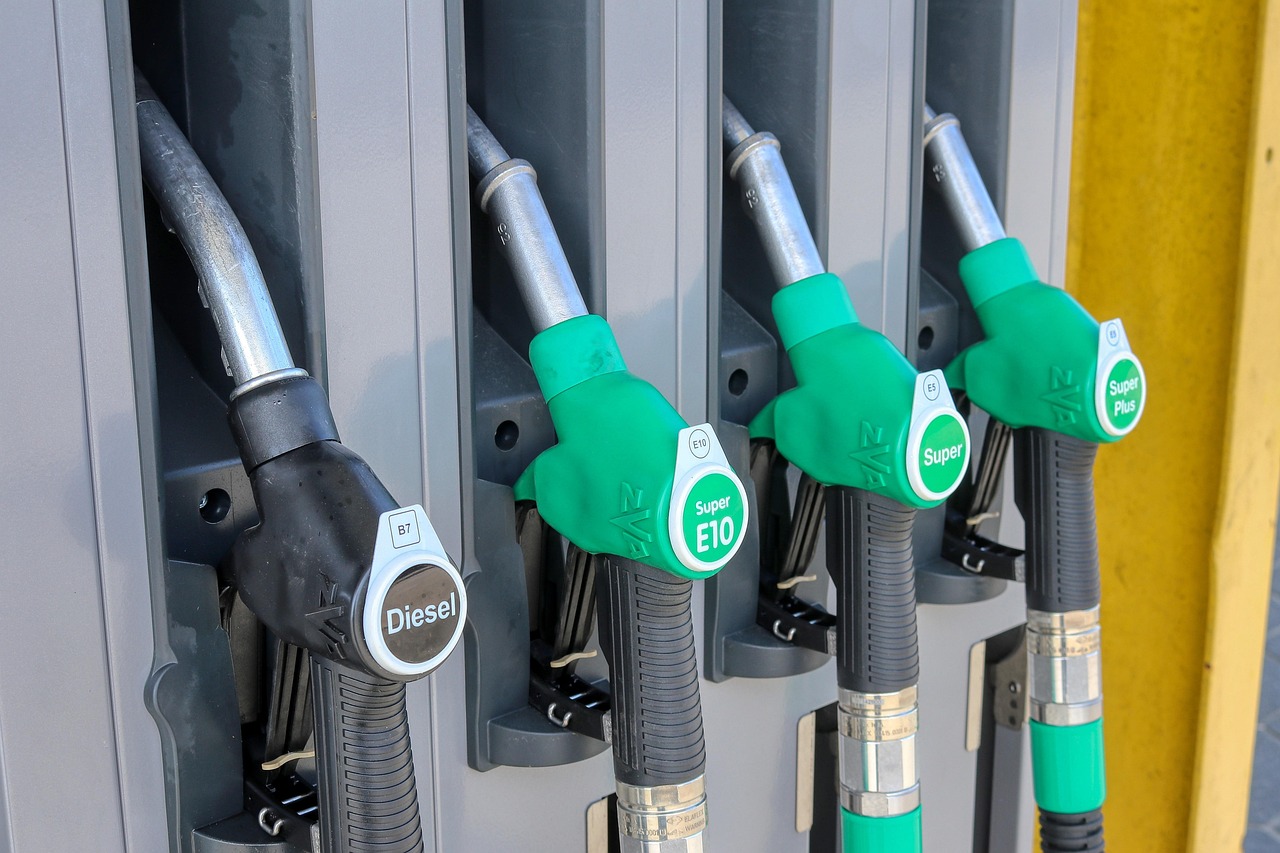
Estación de servicio con surtidores de combustible y refinería petrolera al fondo, gráfico mostrando tendencia bajista del petróleo
The announcement of a peace agreement between the United States and Iran triggered a 10% drop in international Brent crude oil prices during the past week, breaking below the $80 per barrel threshold for the first time since March 2026. However, Argentine consumers will not see an immediate reduction at the pump.
Sources from the oil sector consulted by El Destape explained that what has been announced so far is only a preliminary agreement, and the definitive accord will be signed on Friday, June 19, 2026 in Geneva, Switzerland, opening a period of 60 days of technical negotiations to establish permanent terms for the cessation of hostilities.
| Indicator | Value |
|---|---|
| Conflict Start Date | February 28, 2026 |
| War Casualties | Over 3,700 |
| Gasoline Price Increase in Argentina | 24% (highest in region) |
| Brent Oil Price Drop | 10% in the past week |
| Current Barrel Price | USD 83-84 (-4% to -5%) |
| Oil Through Strait of Hormuz | 20% of global trade |
The Strait of Hormuz is the most important maritime passage for oil transportation worldwide. It connects the Persian Gulf with the Gulf of Oman and the Arabian Sea, and approximately 20% of globally consumed petroleum passes through it.
The closure of this passage during the conflict caused a shock in energy markets, skyrocketing prices and creating uncertainty about global supply. Its reopening is one of the central points of the agreement.
What was signed is a preliminary agreement. Oil companies fear that if the pact doesn't materialize, barrel prices would rise drastically again.
Reopening the Strait of Hormuz isn't enough: the actual volume of crude to be exported must be verified after petroleum infrastructure destruction in several regional countries.
The value should remain around USD 70 per barrel for several months before companies consider a sustained reduction at gas stations.
Nicolás Taiariol, an independent consultant specializing in oil & gas, explained that "it is too early to expect a significant and sustained drop in gasoline prices in the short term." He warned that "the normalization of oil supply will take months, not days."
"It's not about opening a tap and letting the crude flow. There are hundreds of stuck vessels, pending mine clearance operations, insurers who won't lower their premiums until safe corridors are established, and refineries that need time to reincorporate Iranian crude," he added.
According to a report from the Instituto Argentina Grande (a prominent Argentine economic think tank), the 24% increase in gasoline prices since the armed conflict began on February 28, 2026 positions Argentina as the oil-exporting country with the highest increase in the region.
From the Federación de Empresarios de Combustibles (FECRA) - the Argentine Federation of Fuel Entrepreneurs representing gas station owners - they anticipated several months of lag before any eventual price reduction. "Oil companies said they wouldn't raise prices as much when it went up and wouldn't lower them when oil goes down to compensate," they explained.
Analysts estimate that prices would stabilize only between three and four months after the war ends. Energy flows might not return even to 80% of pre-conflict levels until September 2026.
The peace agreement also had a positive impact on other Argentine economic indicators:
However, the energy sector registered losses in the markets: YPF (Argentina's state-controlled energy company) fell 6% and Vista (a major Argentine oil and gas producer) depreciated 4.9%.
The peace agreement will be officially signed on June 19, 2026 in Bürgenstock, Switzerland. The memorandum includes the reopening of the Strait of Hormuz and a period of 60 days for negotiations on the Iranian nuclear program and sanctions.
Information based on reports from El Destape and data from Instituto Argentina Grande.

Alfredo S. Quiroga
