


19/06/2026 10:48 - Actualidad
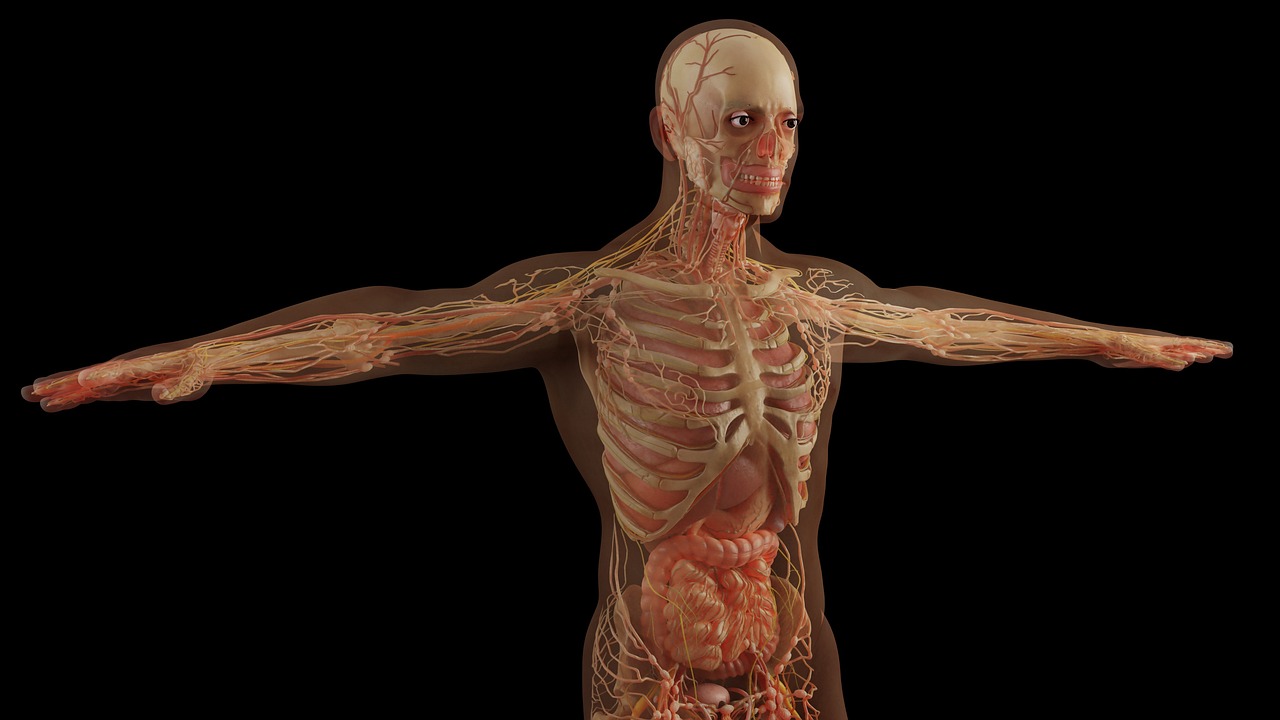
Ilustración médica de un hígado humano rodeado de iconos representando hábitos no saludables como bebidas azucaradas y alimentos procesados, con una persona haciendo ejercicio en el fondo, colores cálidos y profesionales
Fatty liver disease (hepatic steatosis) has become one of the most common liver conditions worldwide, and most worryingly, millions live with it unknowingly. This condition, often invisible for years, can evolve into severe stages like liver inflammation, fibrosis, and even cirrhosis.
Non-alcoholic fatty liver disease (NAFLD) is defined by the accumulation of fat in liver cells in people who don't drink significant amounts of alcohol. According to the Mayo Clinic and the National Institute of Diabetes and Digestive and Kidney Diseases, diet, body weight, and daily habits play a crucial role in its development and progression.
The most delicate aspect is that seemingly harmless behaviors can accelerate the progression of this disease without the person being aware of it. It's a silent enemy.
| # | Mistake | Why It Hurts Your Liver |
|---|---|---|
| 1 | Regularly consuming sugary drinks | Sodas, industrialized juices, and products with high sugar levels, especially added fructose, are linked to greater accumulation of liver fat. Even people who don't drink alcohol can develop the disease due to excess sugars. |
| 2 | Believing only alcohol damages the liver | Avoiding alcoholic beverages isn't enough. Obesity, diabetes, and an unbalanced diet also favor the development of fatty liver disease. |
| 3 | Spending many hours sitting | Lack of physical activity contributes to weight gain and insulin resistance, two conditions linked to the progression of fatty liver. |
| 4 | Abusing ultra-processed foods | Industrial snacks, fast food, and packaged pastries contain large amounts of sugars, unhealthy fats, and calories that negatively affect liver function. |
| 5 | Dismissing abdominal fat | Excess fat around the waist is one of the factors most related to fatty liver. People with apparently normal weight can be at high risk if they accumulate visceral fat. |
| 6 | Sleeping less than necessary | Chronic sleep deprivation alters metabolic processes, favors insulin resistance, and makes weight control difficult, increasing liver fat accumulation. |
| 7 | Using 'detox' products without medical control | Many supplements promoted to 'cleanse' the liver lack solid scientific evidence. Some can cause liver damage or interact negatively with medications. |
| 8 | Not properly controlling diabetes or prediabetes | Elevated glucose levels favor fat deposition in the liver. Maintaining good metabolic control is fundamental to preventing progression. |
| 9 | Waiting for symptoms to seek help | Fatty liver usually develops silently. Many people discover it in routine check-ups. Waiting for discomfort delays diagnosis and limits opportunities for early treatment. |
Sources: Mayo Clinic, National Institute of Diabetes and Digestive and Kidney Diseases via El Tiempo MX (June 16, 2026).

Alfredo S. Quiroga
