


26/06/2026 15:59 - Sociales
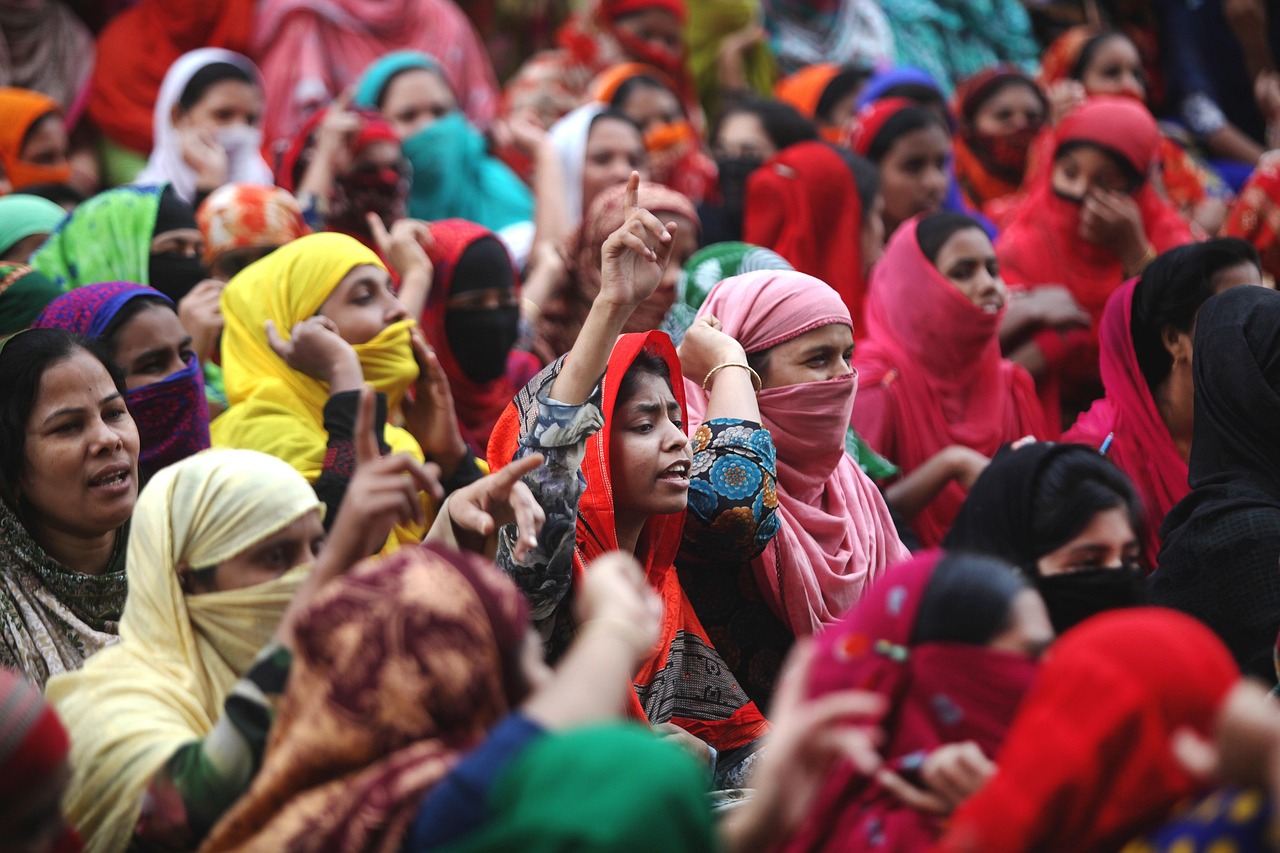
To understand what happened on June 26, 2002, you need to know that Argentina was experiencing its worst economic collapse in history. Just six months earlier, the country had defaulted on its debt and devalued its currency. The peso, previously equal to the US dollar, suddenly crashed to 4 pesos per dollar. Unemployment skyrocketed, savings evaporated, and millions faced hunger.
In this context, a powerful social movement emerged: the piqueteros (picketers). These were unemployed workers who blocked roads to demand jobs and government aid. They became the visible face of popular resistance during those desperate times.
On that Wednesday morning, thousands of piqueteros from different organizations converged on Avenida Pavón in Avellaneda, a city just south of Buenos Aires. Their goal: cross the Pueyrredón Bridge into the capital and march to Plaza de Mayo (Argentina's main square, the traditional site of protests). They never made it.
The Buenos Aires Provincial Police (Policía Bonaerense), under the command of Inspector Alfredo Franchiotti, had orders to stop them at any cost. What followed was not crowd control—it was a hunting expedition.
When the shooting started, police used rubber bullets—but also live ammunition. Maximiliano Kosteki was shot in the back and dragged into the Avellaneda train station by fellow protesters seeking cover. But the police followed them inside.
What happened next was captured by photographers and would horrify the nation. Darío Santillán stayed behind to help the wounded Kosteki. He raised his hand in surrender. Police officers Franchiotti and Alejandro Acosta forced him to stand, then shot him in the back at close range. An execution, caught on camera, while he was performing an act of compassion.
Within hours, government officials launched a disinformation campaign. They claimed the piqueteros had killed each other in an internal dispute. "It's poor against poor," the Buenos Aires governor told Nobel laureate Nora Cortiñas, a Mother of Plaza de Mayo. The presidential secretary spoke of an alleged "armed conspiracy" by protesters.
The official narrative was simple: blame the victims. Without evidence, they hoped the story would disappear. It didn't.
Two photographers, Sergio Kowalewski and Pepe Mateos, entered the station and documented everything. Their images, published in major newspapers Página/12 and Clarín, showed the cold-blooded execution, the red cartridge casings proving live ammunition was used, and officers trying to hide evidence.
The photos dismantled the official lie within 24 hours. For the first time in Argentine history, visual evidence forced immediate accountability. The government's version collapsed.
The trial began on May 27, 2005. On January 9, 2006, the Oral Tribunal N° 7 of Lomas de Zamora delivered its verdict:
| Convicted | Rank | Sentence | Crimes |
|---|---|---|---|
| Alfredo Franchiotti | Police Inspector | Life imprisonment | Double murder, 7 attempted murders |
| Alejandro Acosta | Police Corporal | Life imprisonment | Double murder, 7 attempted murders |
| Félix Vega | Commissioner | 4 years prison | Aggravated cover-up |
| Gastón Sierra | Officer | 3 years prison | Cover-up |
| Lorenzo Colman | Corporal | 2 years prison | Cover-up |
| Celestino Robledo | Former officer | 10 months | Impersonating authority |
The Supreme Court of Buenos Aires Province confirmed the sentences in December 2014, and Argentina's national Supreme Court ratified them in 2016.
Twenty-four years later, former inspector Franchiotti remains in prison. Justice has repeatedly denied his parole requests. However, former corporal Acosta was granted parole in October 2024 after serving twenty years of his sentence.
The Avellaneda station of the Roca Railway Line has been renamed "Maximiliano Kosteki y Darío Santillán" in their honor. Every June 26, human rights organizations and social movements march to remember these two young men who died fighting for dignity.
Their names are now synonymous with the fight against police brutality and state repression in Argentina.
Source: Infobae (Spanish)

Alfredo S. Quiroga
