26/06/2026 19:11 - Tecnologia
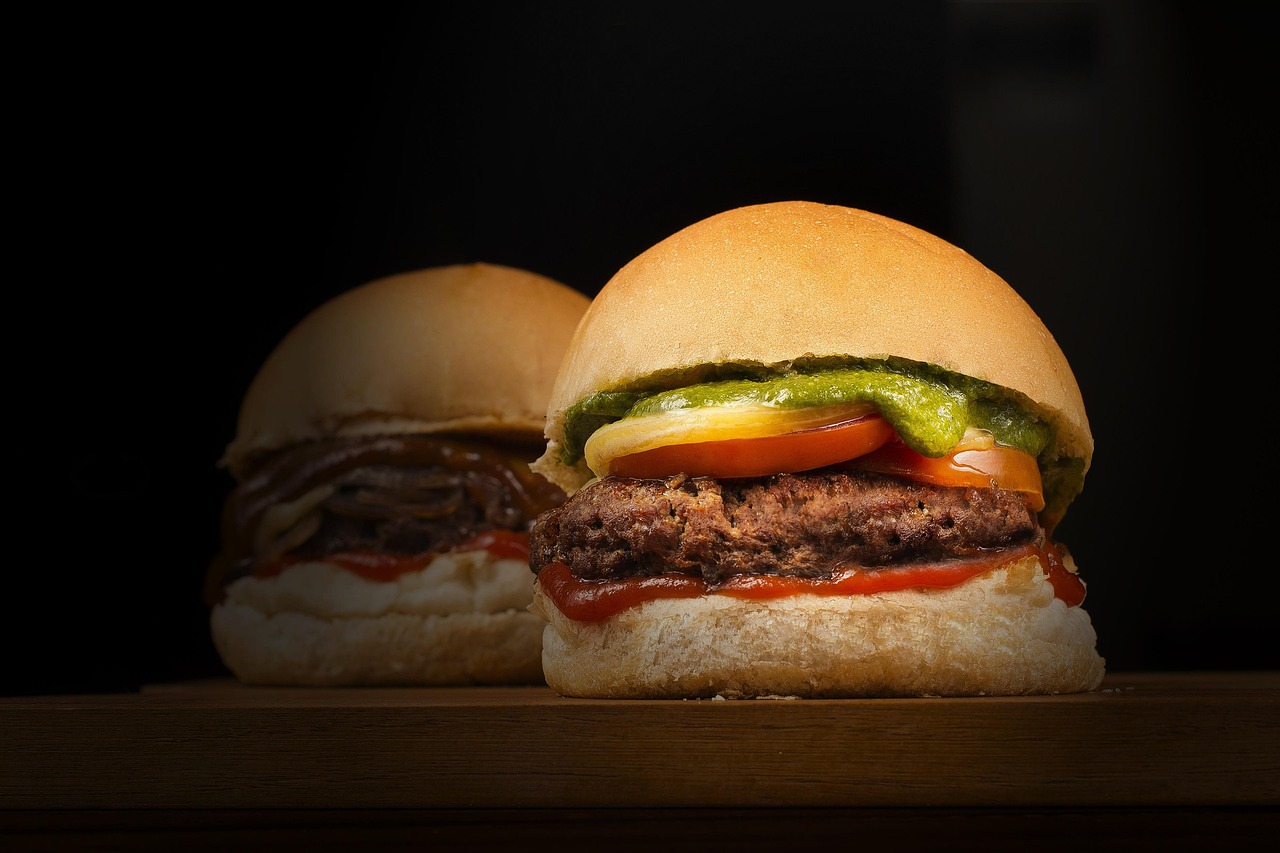
Artificial intelligence has ceased to be a tool exclusive to laboratories and offices to install itself in the most innovative kitchens in the world. High-end restaurants and fast-food chains are turning to algorithms to design recipes that no human chef would have imagined, combining ingredients that, in theory, should not work together.
The phenomenon is no coincidence: AI systems can analyze millions of combinations of flavors, textures, and chemical compounds in seconds, identifying patterns that would take the human palate decades to discover. The result is dishes like the perfect burger, which can include ingredients as unusual as dark chocolate, fermented miso, or even extracts of exotic mushrooms.
The process begins with massive databases of recipes, chemical compounds, and flavor profiles. Machine learning algorithms analyze:
AI then generates recipe proposals with success probabilities, which human chefs test and refine.
One of the most fascinating examples is the burger designed by artificial intelligence that includes:
The surprising part: taste tests showed 89% approval rates among consumers who didn't know the origin of the recipe.
| Characteristic | Traditional Chef | Artificial Intelligence |
|---|---|---|
| Combinations tested | Tens per year | Millions per second |
| Development time | Weeks or months | Minutes or hours |
| Creativity | Based on experience | Based on data |
| Nutritional precision | Estimated | Calculated to the milligram |
| Development cost | High (ingredients, tests) | Low (simulation) |
| Emotional intuition | High | None |
Chains like Burger King and McDonald's have experimented with AI to create limited-edition menus. The result: burgers with seasonal flavors that generated 15-20% increases in sales during promotional periods.
High-end restaurants in Tokyo use AI to design kaiseki dishes that combine traditional ingredients with modern techniques. Chefs like Yoshikawa-san acknowledge that AI "opens doors we didn't know existed".
El Celler de Can Roca, considered one of the best restaurants in the world, has incorporated AI tools to experiment with molecularly perfect infusions and emulsions.
The short answer is no. Artificial intelligence functions as a support and discovery tool, not a replacement. Human chefs remain essential for:
"AI gives me brilliant ideas, but I decide which ones work for my restaurant" - Spanish chef with 3 Michelin stars.
Experts project that by 2030, 40% of high-end restaurants will use some form of artificial intelligence in menu development. Trends include:
The first recipe designed entirely by artificial intelligence was a chocolate cake with miso and cardamom, created by IBM's Chef Watson in 2014. Since then, technology has advanced exponentially, allowing for increasingly sophisticated and surprising combinations.
Source: Infobae - Ciencia América

Alfredo S. Quiroga