


30/06/2026 15:04 - Actualidad
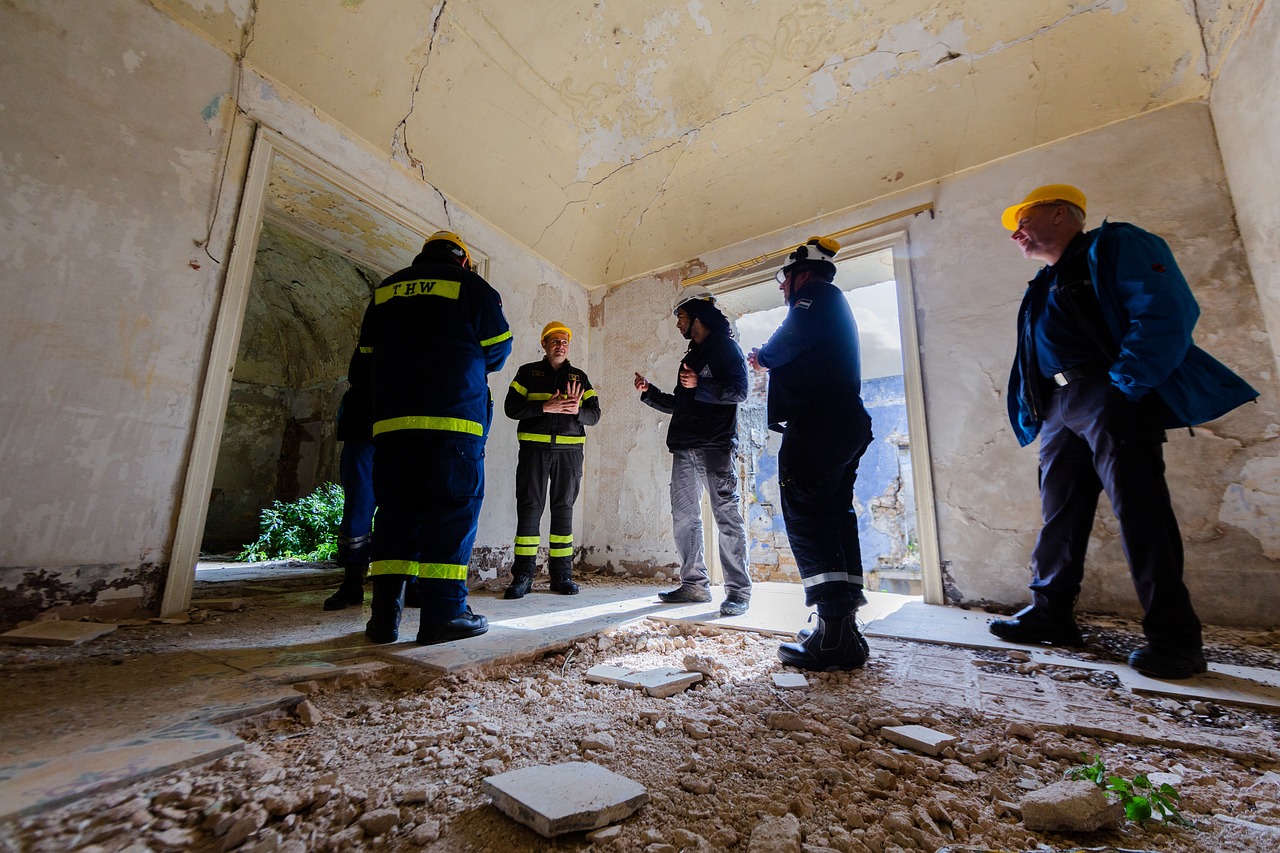
A miracle arrived when hopes were fading. A three-year-old boy was rescued in the early hours of Tuesday, June 30, 2026, in the Caribe sector of La Guaira, the state most devastated by the earthquakes that shook Venezuela on June 24, 2026. The child remained trapped for nearly 140 hours under the rubble of a collapsed building in Los Corales.
Venezuela's Ministry of Communication reported that the extraction was carried out by the rescue team from Jordan, one of more than 27 countries that have sent international aid. This miraculous rescue adds to a list that includes an 18-day-old baby and their mother, an 11-year-old boy rescued by Colombian teams, and a 21-year-old young man found alive after more than 100 hours.
The official report as of June 30, 2026, states:
Foreign Minister Pablo Quirno confirmed that six Argentine citizens have died and eight remain missing. The Argentine government deployed an operation including:
The international response has been one of the largest in the recent history of natural disasters in the region:
| Country/Region | Main Contribution |
|---|---|
| United States | US$ 300 million in aid, C-17 Globemaster aircraft, V-22 Osprey and UH-6 Venom helicopters, amphibious landing ship in La Guaira |
| European Union / UNICEF | 47 tons of medical supplies, water and education, emergency kits, safe childbirth equipment |
| Argentina, Brazil, Chile, Colombia | Hercules C-130, KC-390, KC-135 aircraft, USAR teams, rescue dogs, medical and military personnel |
| China | 100 million yuan (approximately US$ 14.7 million) |
| Germany | Six A400 aircraft with specialized teams |
| Netherlands | Frigate with support materials |
| Qatar | C-17 aircraft with rescuers and humanitarian aid |
More than 3,000 rescuers and about 200 specialized dogs work coordinated by the UN in the affected areas. The Venezuelan Red Cross projects that the response operation may extend up to 24 months to assist approximately 300,000 affected people.
Maiquetía International Airport, the main entry route to Caracas, suffered damage. Only one of the three runways remains operational, which limited the immediate arrival of aid. El Libertador Air Base in Palo Negro, Maracay, became the central point for receiving large-scale flights, but the distance of 120 to 140 kilometers to the most affected areas and the poor condition of the routes complicated the transport of supplies and personnel.
Amid the tragedy, images and situations emerged reflecting both desperation and political tensions:
Rescue efforts continue with hope of finding more survivors. Body heat detectors have registered signals at the location where Lucas Gámez, an eight-year-old Argentine boy trapped in the rubble, could be. The family maintains hope while international teams work tirelessly.
Sources: Venezuela Ministry of Communication, Argentine Foreign Ministry, UNICEF, Venezuelan Red Cross, Clarín, Infobae.

Alfredo S. Quiroga
