01/07/2026 07:58 - Internacionales
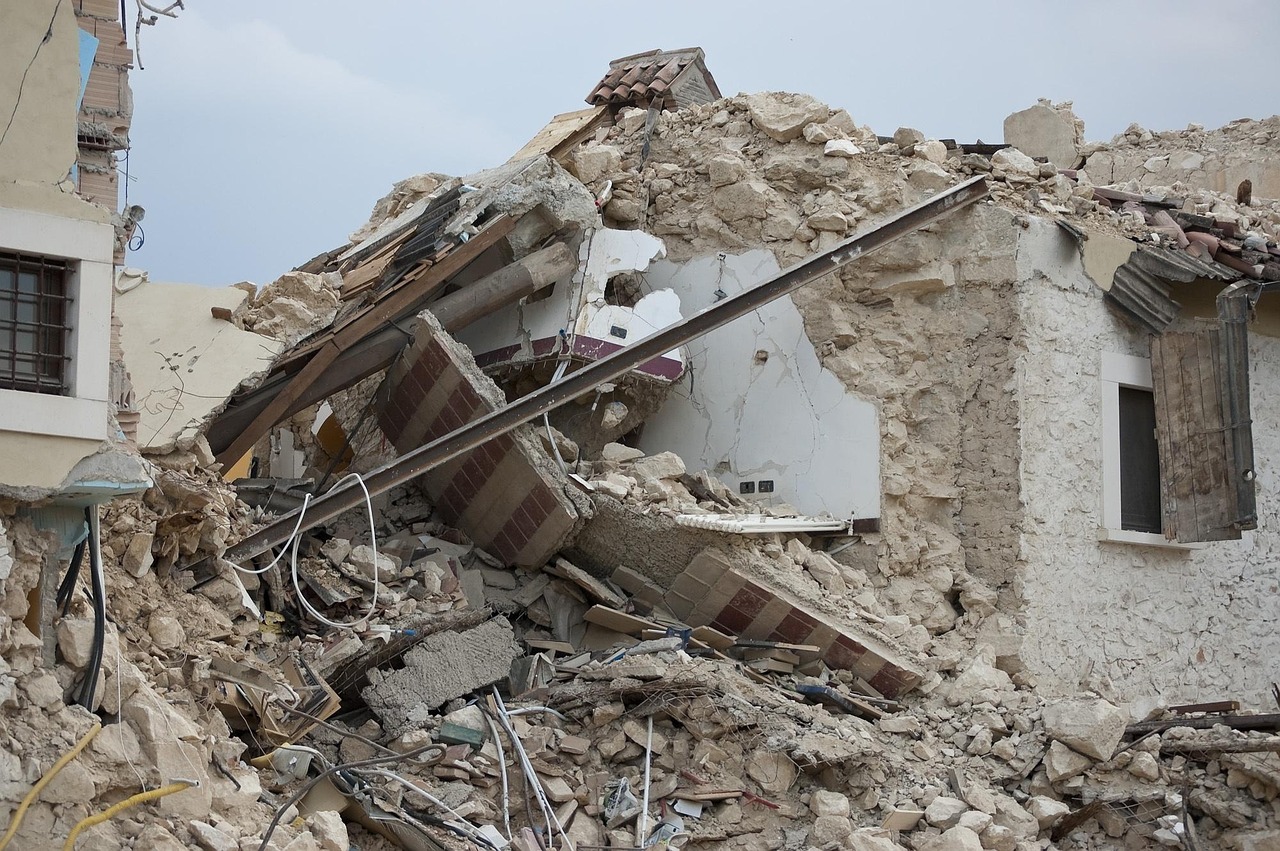
When all hope seemed lost, a Jordanian rescue team achieved what many considered impossible: they pulled a 3-year-old boy alive from the rubble of the Los Corales Garden 1 building in La Guaira, Venezuela's main port city. Klieber Morán had been trapped for nearly 140 hours—a survival timeframe that defies all statistical odds. The news, confirmed by interim President Delcy Rodríguez via Telegram, briefly restored hope to a nation grappling with one of the most devastating natural disasters in its modern history.
Two earthquakes struck with just 39 seconds between them on June 24, 2026. The first registered magnitude 7.2, and before anyone could react, a second quake of magnitude 7.5 shook Venezuela's Caribbean coast. The U.S. Geological Survey (USGS) confirmed this was the most powerful earthquake to affect the country since 1900.
The epicenter was located near Morón, approximately 170 kilometers (105 miles) west of Caracas, at a shallow depth of only 13 kilometers—amplifying the destructive effects on the surface. For reference, this is roughly the distance between New York and Philadelphia.
| Confirmed Deaths | Over 1,900 |
| Injured | Over 10,000 |
| Missing | Between 50,000-70,000 |
| Damaged Buildings | 58,870 (NASA estimate) |
| Countries Providing Aid | 27 |
| International Rescuers | Over 3,300 |
The hardest-hit area was La Guaira, a major port city located north of Caracas, home to the Simón Bolívar International Airport—Venezuela's main international gateway. Entire buildings collapsed like houses of cards, trapping thousands inside. The Eduard's Hotel Boutique, located beachfront, was almost completely destroyed.
Videos shared on social media showed panic at the airport, with passengers running through hallways seeking shelter as debris fell from the ceiling. Authorities confirmed severe damage to the terminal and suspended the metro and rail systems.
Clavel Rangel, a Venezuelan journalist covering the tragedy for The Guardian, described a harrowing reality: "The morgues are overflowing. Bodies are arriving in cars, trucks, and motorcycles. It's crucial not to trust official statistics, especially in Venezuela."
The United States has allocated over 300 million dollars in humanitarian aid. U.S. Marines are working to repair La Guaira's port to facilitate maritime supply delivery. This cooperation is particularly notable given recent tensions between the two nations.
UNICEF sent 47 metric tons of medical supplies, including emergency kits for safe childbirths and neonatal care. The WHO projects it may close the hantavirus outbreak alert on the cruise ship MV Hondius by July 2.
The tragedy has exposed one of Latin America's greatest information crises. Venezuela hasn't had accurate population data for over a decade. "We haven't had health data for about 10 years. No economic data. We haven't even had a census since 2011," Rangel explains.
The journalist also points to a painful reality: many collapsed buildings were constructed during the governments of Hugo Chávez and Nicolás Maduro as part of the "socialist revolution." "My colleagues investigated corruption during construction. They used cheap materials. In the earthquake, many of these places collapsed."
Amidst the disaster, an unusual scene unfolded: U.S. military personnel working alongside Venezuelan forces. However, tensions persist. Diosdado Cabello, Venezuela's feared security chief who has a $25 million bounty on his head from the U.S. government, was filmed scolding U.S. rescue teams as they attempted to recover bodies.
"Without the United States and all international aid, this tragedy could be much, much worse. At least the Venezuelan government is letting them into the country," Rangel acknowledges, adding that many Venezuelans hope America will do more to promote democracy.
María Corina Machado, the 2025 Nobel Peace Prize winner and Venezuelan opposition leader, remains in exile in Panama. From there, she has expressed her willingness to do "whatever is necessary" to return to Venezuela and help victims. However, airspace closure by Delcy Rodríguez's transitional government prevents her return.
U.S. officials have described her requests to return as "political maneuvering," while Donald Trump and Marco Rubio advised her in March 2026 not to return for security reasons. Machado left Venezuela in December 2025 to receive the Nobel Prize in Stockholm.

Alfredo S. Quiroga