02/07/2026 22:11 - Actualidad
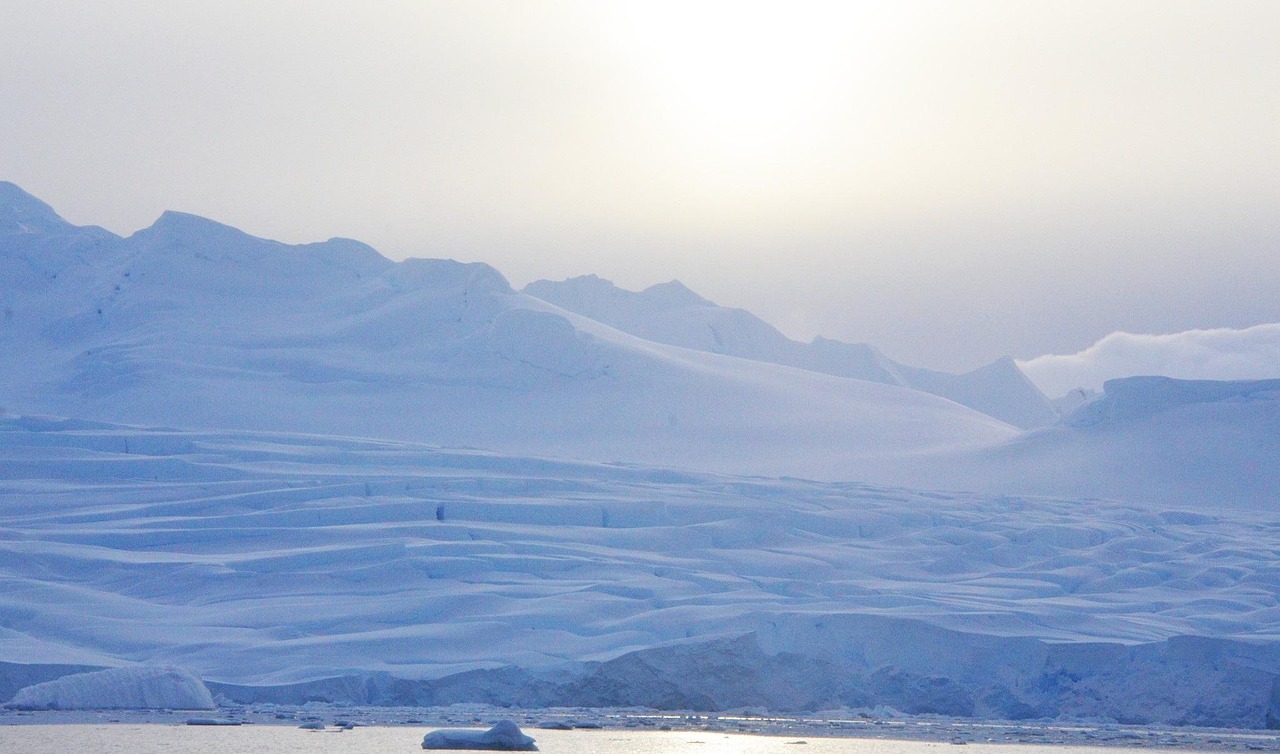
At the edge of the world, specifically in Antarctica (Earth's southernmost continent), lies one of the most striking visual phenomena in nature: the so-called Blood Falls. This mysterious flow of deep red water emerging from the ice was discovered in 1911 by Australian geologist Griffith Taylor, and since then, it has been a source of endless fascination and scientific study.
For decades, scientists believed the strange color was caused by red algae living in the ice. However, modern science has revealed a much more fascinating explanation of what happens beneath the surface of the Taylor Glacier.
The secret to the crimson color lies in chemistry. Beneath the glacier lies a subglacial lake of hypersaline (super-salty) water that has been isolated for millions of years. This water is rich in iron. While the water remains under the ice, the iron is in a dissolved state and has no color. But when the liquid manages to emerge and comes into contact with the oxygen in the air, the iron oxidizes, acquiring that bright red tone that resembles blood flowing over the white ice.
One of the most hopeful discoveries of this phenomenon is the evidence of microbial life. In this sealed subglacial lake, where there is no sunlight or oxygen, microorganisms have survived for centuries. These microbes use iron and sulfate to obtain energy, demonstrating a remarkable capacity for life to adapt in extreme conditions.
Recent research has successfully mapped what happens beneath the ice. Scientists discovered a network of channels and an active hydrological system beneath the glacier. Water flows through fractures in the ice, transporting nutrients and sustaining the underground ecosystem, allowing the waterfall to flow intermittently over the years.

Alfredo S. Quiroga