02/07/2026 21:47 - Economia
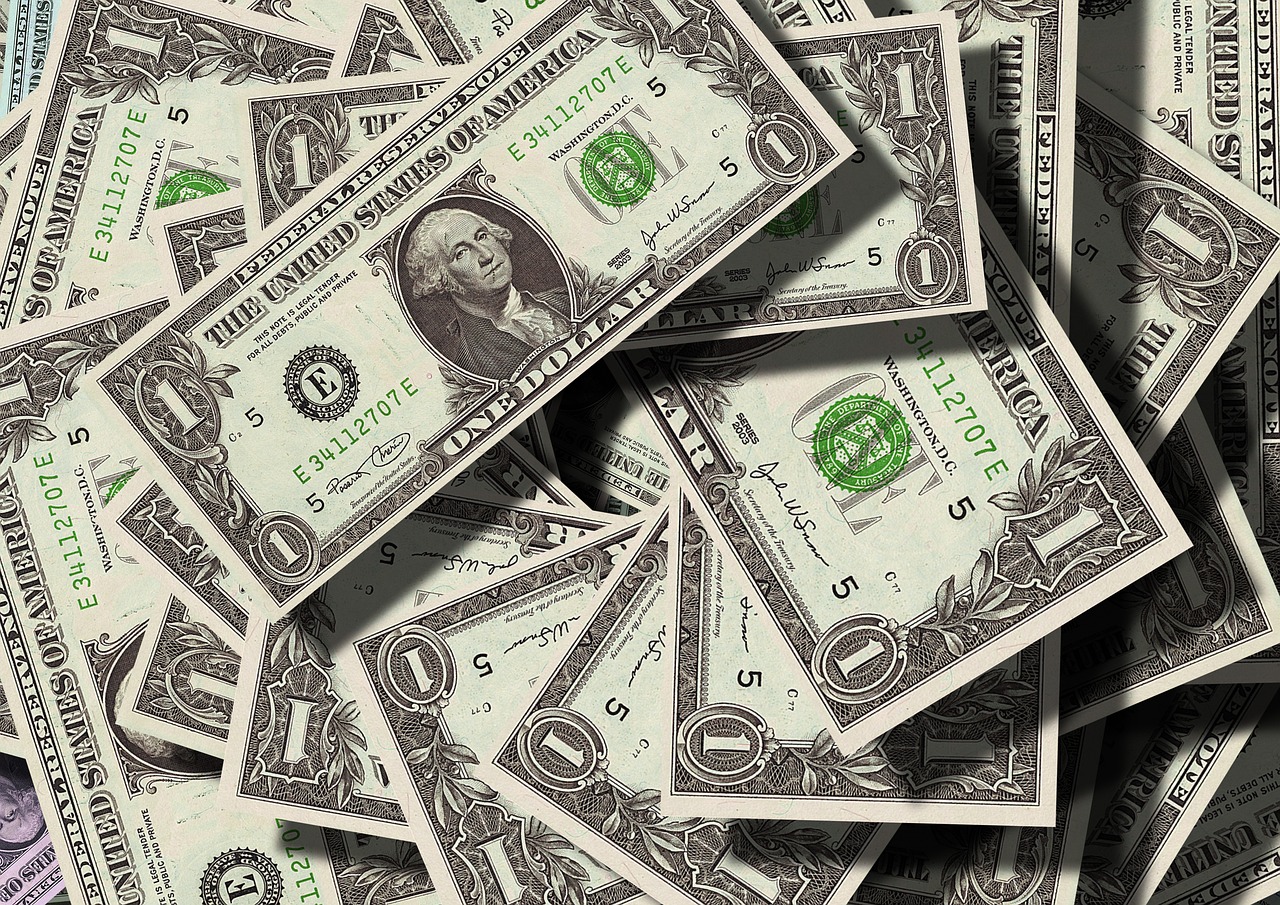
For a foreigner, understanding Argentina exchange rates can be complex. Recently, the retail dollar reached $1,510 Argentine pesos. This slight upward trend was mirrored by the blue dollar (the informal, parallel exchange rate) and the contado con liquidacion or CCL (a financial exchange rate used by companies to repatriate funds). The Central Bank of Argentina (BCRA), led by Santiago Bausili, stepped in without selling its reserves directly. Instead, it used alternative tools like dollar future contracts and dollar-linked letters (Treasury bonds adjusted to the official dollar value), focusing on contracts maturing by late July 2026.
Official sources from the Casa Rosada (the government house) assured that this surge is not due to domestic issues, but a global phenomenon. The US dollar has strengthened worldwide, affecting emerging markets. Felipe Nunez, a director at BICE and part of Luis Caputo economic team, explained that the Argentine peso is simply accompanying this international depreciation. He noted that monetary aggregates are growing below inflation, signaling a healthy context as markets expect prices to cool down.
The new presidential spokesperson, Adrian Ravier who took office after Manuel Adorni resigned on June 27, 2026 expressed optimism about economic recovery. Ravier stated that the key to reviving consumption and investment is the return of bank credit, which will happen once inflation is defeated. He mentioned that recent inflation numbers were promising, with a latest figure of 2.1%, and hopes the next report breaks the 2% barrier, boosting economic activity.
Despite the optimism, a government official acknowledged two concerning indicators. First, tax revenue. A drop in revenue affects the coparticipacion system (Argentina tax-sharing mechanism that redistributes funds to provinces), which can create tensions with local governors. In June 2026, the national government sent $6.83 trillion pesos to the provinces and Buenos Aires City. While this is a 25.7% nominal increase compared to last year, it represents a real decrease of 5.6% due to inflation.
Second, the delinquency rate in private credit is growing. A report by consultancy 1816 shows this affects 4 out of 10 people under 35 with active loans. However, the consultancy clarified that the overall weight of credit in Argentina economy is so small that the GDP can continue growing in the coming months regardless.

Alfredo S. Quiroga