


03/07/2026 03:43 - Internacionales
Venezuelan journalist Alejandra Oraa, born in Tanaguarena, shared an emotional video on her social media showcasing the stunning landscapes of La Guaira before the recent earthquakes. Filmed by photographer Daril Jiménez, the footage aims to rescue the memory of this beautiful coastal region—located just north of Venezuela's capital, Caracas, and home to the country's main international airport—looking beyond the tragedy that made global headlines, as reported by CiberCuba.
La Guaira is the Caribbean, mountains, ports, airports, history, and childhood. It was fried fish and hot sand. It is a place that for many was a farewell, but for others, it will always be home.
For those unfamiliar with the region, La Guaira is a small but densely populated coastal state. On June 24, 2026, two consecutive earthquakes of magnitudes 7.2 and 7.5, separated by just 39 seconds, violently struck northern Venezuela. La Guaira was the most devastated area: more than 250 buildings collapsed, including the crucial Hospital José María Vargas.
2,295 deceased
11,267 injured
40,000 - 70,000 missing (UN estimate)
Estimated damages of USD 6.7 billion, equivalent to 6% of Venezuela's GDP, according to the United States Geological Survey (USGS).
The areas now lying in ruins—such as Caraballeda, Macuto, Los Corales, Naiguatá, and Tanaguarena—were tragically buried by mud less than 30 years ago. On December 15, 1999, what was then called Vargas State was swept away by massive mudslides, considered the deadliest mudflow in recorded history, with estimates ranging between 10,000 and 30,000 fatalities.
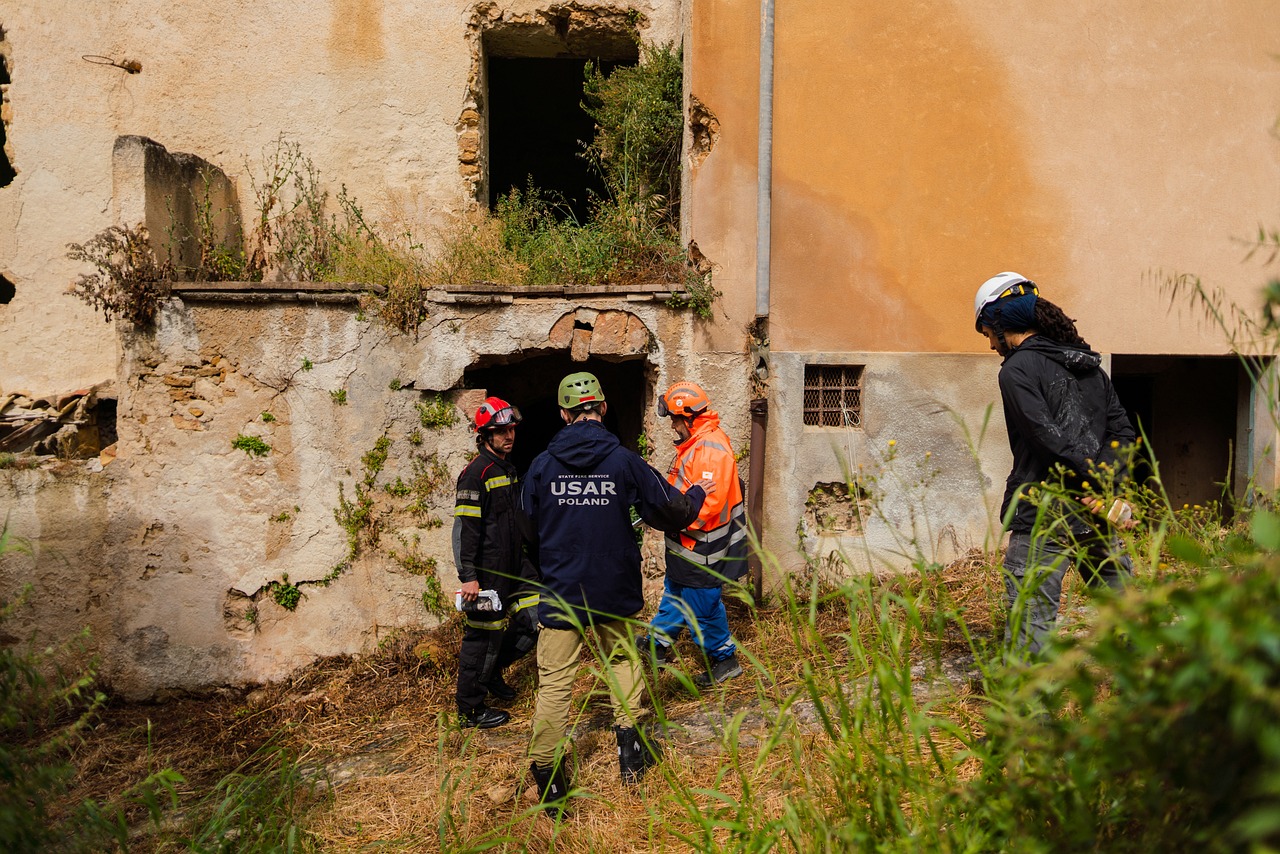
Despite the desolate scenario, stories of hope emerged quickly. On July 2, 2026, Hernán Gil (43 years old) was rescued unharmed after being trapped for 114 hours under the rubble in Catia La Mar. His rescue was made possible thanks to the heroic efforts of rescue teams from seven different countries, who managed to supply him with water and oxygen through hoses. It is a true testament that life and hope persist even in the darkest of times.
Source: CiberCuba and El Día.

Alfredo S. Quiroga
