


09/07/2026 15:46 - Actualidad
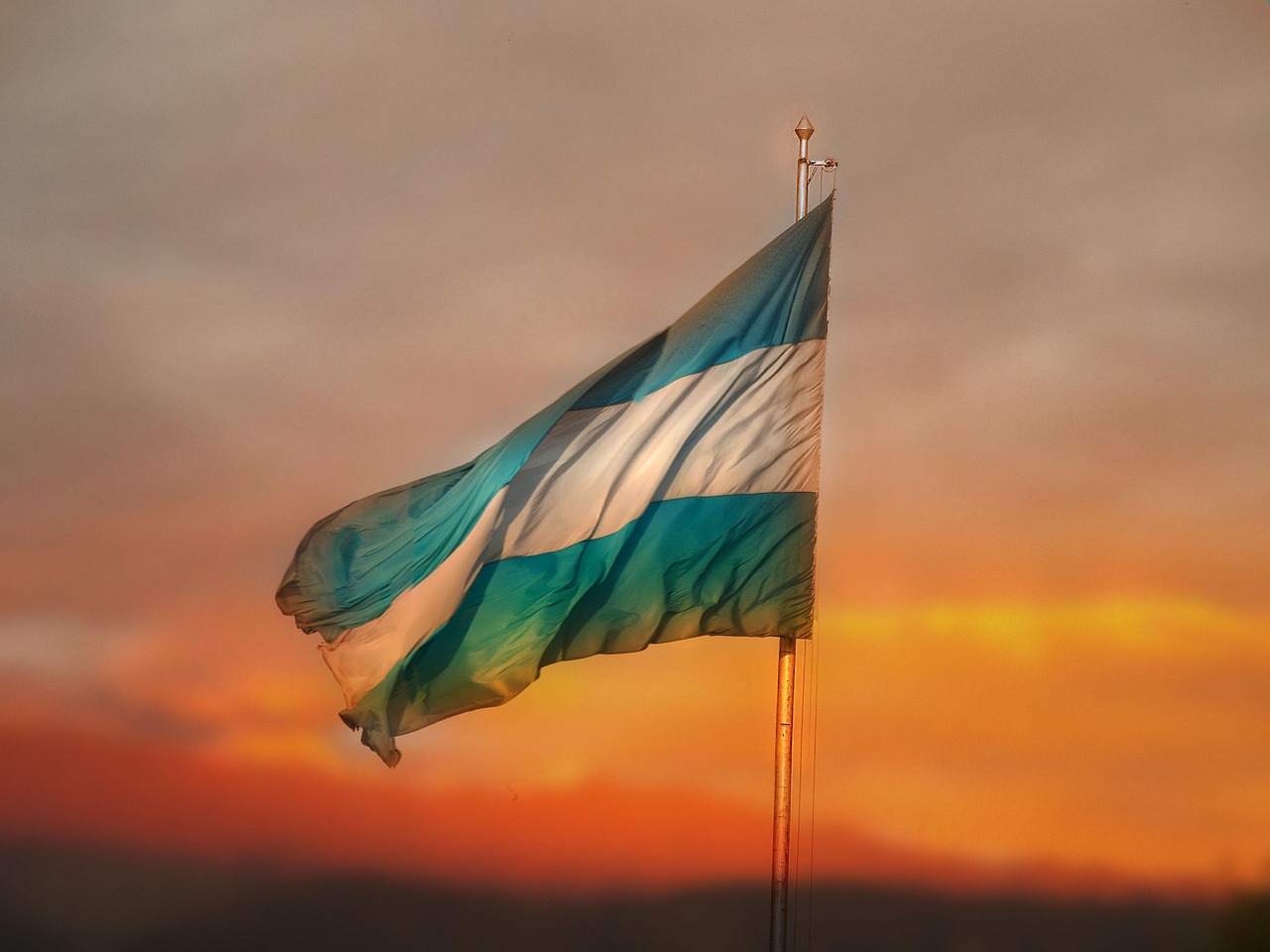
On July 9, 2026, Argentina celebrated its 210th Anniversary of Independence. For a foreigner reading about Argentina, it is vital to understand that '9 de Julio' is not just a date; it is the moment when, back in 1816, local leaders gathered in Tucuman, a province in the country's northwest, to formally declare independence from the Spanish Crown. Today, the historical house where this happened remains the epicenter of the national celebrations.
The international community joined the festivities, with a special message from the United States. Through Senator Marco Rubio, the US sent warm greetings on this patriotic date, officially qualifying Argentina as an indispensable partner. This diplomatic gesture underscores the excellent bilateral relationship and sets a tone of cooperation and hope for future regional and global challenges.
President Javier Milei led the official ceremony, accompanied by his sister and Secretary of General Presidency, Karina Milei, and the local governor, Osvaldo Jaldo. A remarkable total of 13 provincial governors attended the event, signaling a push for national unity. During his speech, the President reinforced his proposal for the Pacto de Mayo (May Pact), a political agreement seeking alignment among provinces to foster the country's development.
The Plaza Independencia in Tucuman hosted more than 60,000 people who enjoyed live performances by renowned Argentine artists such as folk singer El Chaqueño Palavecino and the popular rock band La Beriso. It was a vibrant celebration of Argentine identity, where traditional music met modern rock.
A recurring theme during the event was 'federalism'—in Argentina, this means ensuring that wealth, resources, and public works are distributed fairly across all provinces, not just concentrated in the capital, Buenos Aires. Vice President Victoria Villarruel attended the ceremony, hinted at her intentions to serve in 2027 (the next election year), and made a strong plea for real federalism, taking a slightly independent stance from some national executive policies.
Meanwhile, the Governor of Santiago del Estero, Elías Suárez, echoed the call, demanding national resources for the interior. He proudly highlighted that his province has maintained a balanced budget for 20 years and is currently building 3,570 homes through a national housing program.
The celebrations took place against a backdrop of growing economic stability. For international readers, two key indicators stand out: the Country Risk (a financial metric indicating the probability of a nation defaulting on its sovereign debt) dropped to 408-412 points, a highly encouraging historical level for Argentina.
Additionally, the Dolar Banco Nacion (the official exchange rate at Argentina's state-owned National Bank) is trading at $1,510 ARS per US Dollar. Economy Minister Luis Caputo presented the 2026/2027 financial plan, projecting a robust surplus of USD 3,700 million for this year, painting a highly optimistic future for the nation's economy.

Alfredo S. Quiroga
