


12/07/2026 22:39 - Internacionales
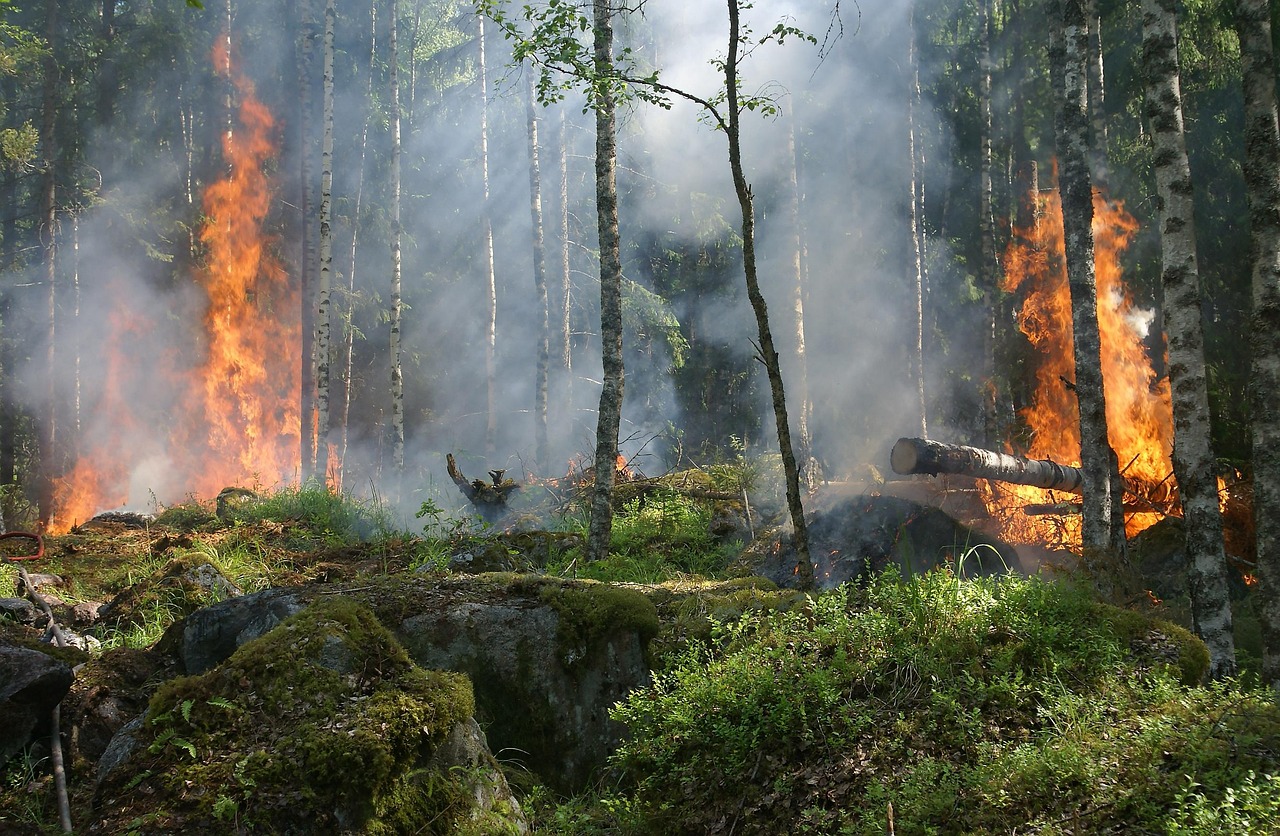
The fierce wildfire that broke out in Los Gallardos, Almería (a province in the southern region of Andalusia, Spain), on July 9, 2026, at 18:00, has finally begun to stabilize. Local media reported on July 12, 2026, that the flames showed no significant progress overnight, offering a glimmer of hope for the region.
The disaster began when a high-voltage power pole (or electric cable) fell, igniting a blaze. Driven by winds of up to 50 km/h and temperatures nearing 40°C (about 104°F), the fire advanced at an alarming speed of 100 meters per minute. For the first 48 hours, the situation was critical and seemingly uncontrollable.
Fortunately, the wind calmed down in recent hours, allowing emergency teams to go on the offensive and contain the fire's progress. To date, a total of 6,600 hectares (approximately 16,300 acres) of land have been scorched.
The human toll is devastating, but authorities are working tirelessly to bring closure to the families. Officials confirm 12 fatalities, including 4 British citizens who were found inside a vehicle, and 7 people who died while walking near the town of Bédar. Additionally, 23 people remain missing, 8 are injured (4 of them in serious condition), and 1,400 residents have been safely evacuated.
Due to the severity of the situation, victims' samples are being sent to Madrid (Spain's capital) for DNA testing to facilitate identification.
To combat the tragedy, Spain has mobilized a massive emergency response, a true testament to the country's resilience and preparedness. The deployment includes 22 aerial units and over 1,000 ground personnel. This comprises 539 state troops, 220 members of the UME (Unidad Militar de Emergencias, a specialized military emergency unit), and 245 agents of the Guardia Civil (Spain's national law enforcement force).
A significant point of debate has been the authorities' decision not to activate the ES-Alert system. This is a nationwide public warning system in Spain designed to send mass notifications to mobile phones during severe emergencies. Many are questioning whether an early warning could have saved lives, prompting a review of emergency protocols for the future.
Despite the heartbreak, the stabilization of the fire marks a turning point. The bravery of the emergency services and the solidarity of the Spanish people shine as a beacon of hope for rebuilding what was lost.

Alfredo S. Quiroga
