


13/07/2026 03:04 - Internacionales
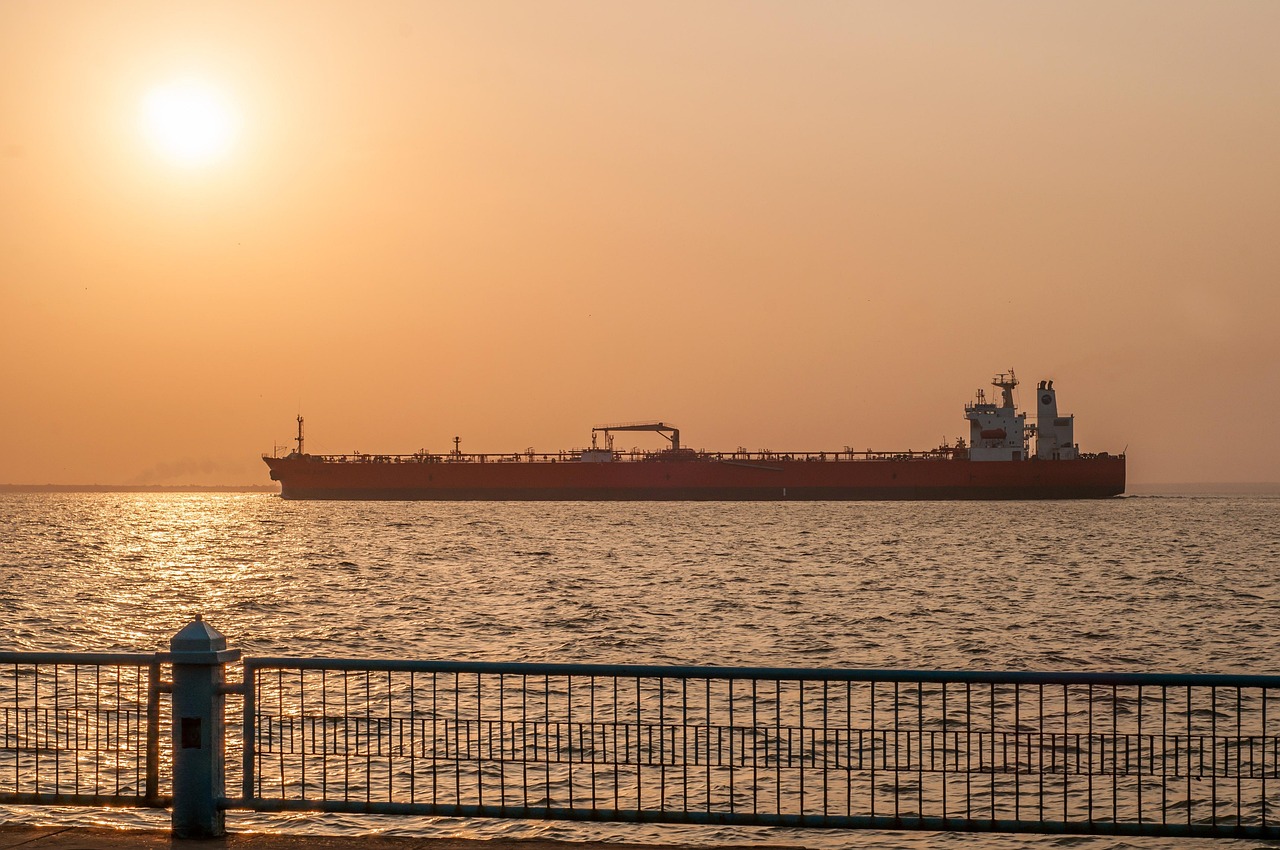
Tensions in the Middle East are once again capturing the world's attention. During the night of Sunday, July 12, and the early hours of Monday, July 13, 2026, the United States, through its Central Command (CENTCOM), launched a new wave of attacks against Iran. The primary objective is to further degrade Tehran's military capabilities in the strategic Strait of Hormuz, thereby ensuring the safety of international maritime trade.
US President Donald Trump confirmed the intensity of the operation, telling NBC: Last night we bombed them like crazy, assuring that the maritime route remains open to commercial traffic. US forces reported striking Iranian air defense systems, coastal radar stations, missile capabilities, and small vessels using fighter jets, warships, and drones.
This US offensive came in response to a previous Iranian attack on a Cyprus-flagged container ship navigating near the coast of Oman. The vessel suffered significant damage to its engine room. Maritime authorities reported that 23 crew members were rescued, but unfortunately, one Indian citizen remains missing.
In response to the US bombings, Iran's Revolutionary Guards attacked US military bases in Jordan, Bahrain, Kuwait, Qatar, and Oman, expanding the crisis beyond the direct confrontation.
Iran maintains that the Strait of Hormuz will remain closed until calm is restored, while the US asserts it remains open. A CENTCOM spokesperson, Tim Hawkins, mentioned that US aircraft shot down an Iranian cruise missile and an attack drone.
The futures market reacted immediately to the tensions. The Brent crude oil barrel (the benchmark crude in Europe) for September delivery surged this Monday by more than 4%, reaching $79.21, having closed on Friday at $76.01.
Despite the military escalation, hope for a peaceful resolution remains alive. The Secretary-General of the United Nations, António Guterres, called for avoiding a further expansion of the conflict, warning that a return to large-scale hostilities would have catastrophic consequences. Countries like Pakistan, Qatar, and Egypt continue their diplomatic efforts to keep negotiation channels open between Washington and Tehran, seeking a nuclear agreement by August 2026 that will bring calm to the region.

Alfredo S. Quiroga
