15/07/2026 03:06 - Internacionales
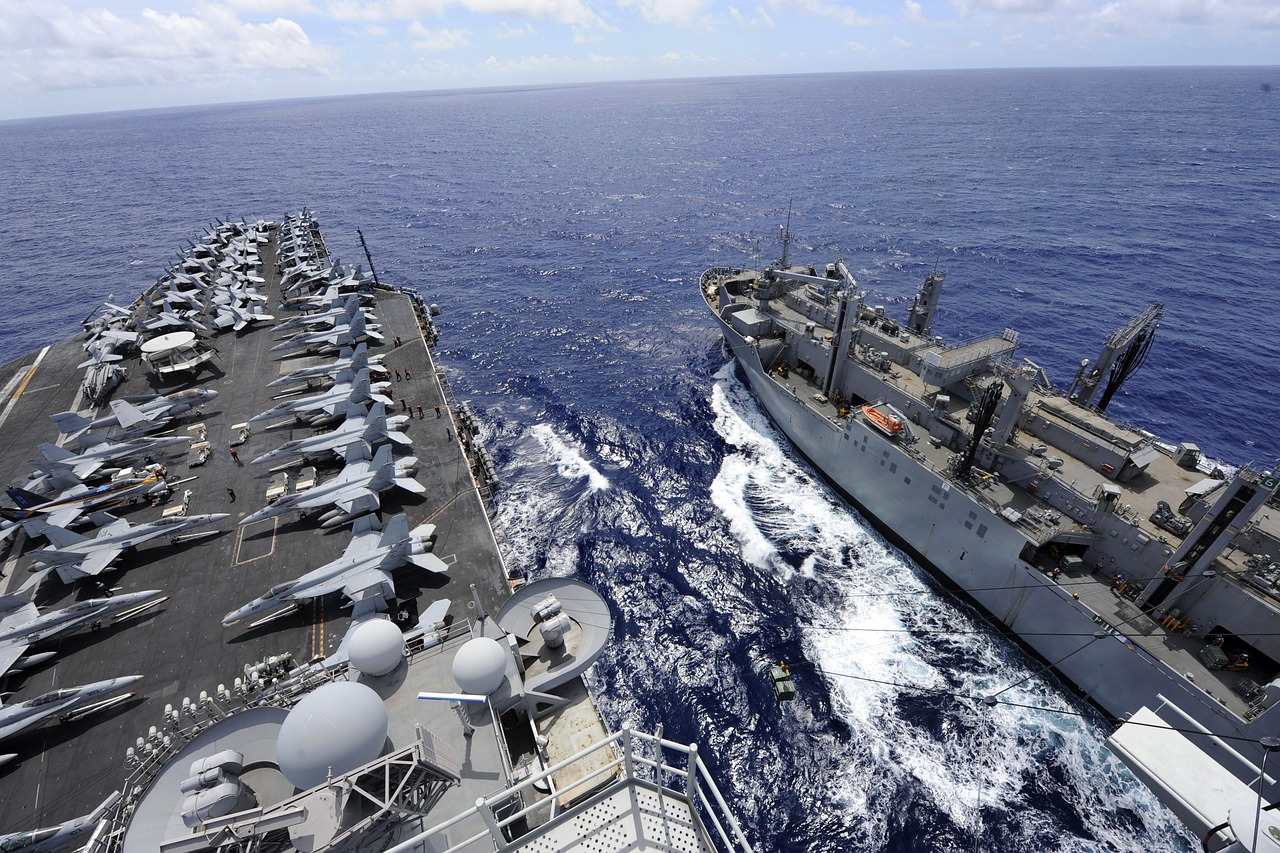
The United States launched a new series of attacks against Iran in the early hours of July 14, 2026, marking a new escalation in the resumption of hostilities. Although US President Donald Trump stated that a deal with Tehran was still possible, the bombings continued.
The US Central Command (Centcom) announced that the attacks began at 10:45 PM CET on Monday, marking the third consecutive night of operations. Centcom reported that the attack order was given directly by Trump and that these operations are intended to impose a "high cost" on Tehran.
An attack attributed to Iran against two oil tankers transiting the southern maritime route of the Strait of Hormuz resulted in the death of an Indian crew member and injuries to six Indians and two Ukrainians, according to the Ministry of Defense of the United Arab Emirates (UAE).
The tankers Mombasa and Al Bahiyah were attacked by two cruise missiles while moving through the jurisdictional waters of Oman. The attack also caused material damage to both vessels due to fires that broke out on board, which were subsequently controlled.
The Strait of Hormuz is one of the most critical maritime routes for global energy trade. Approximately 20% of the world's oil sails through this passage, connecting Persian Gulf producers with international markets. Any disruption in this route can cause significant increases in global crude oil prices.
The new US offensive comes after Trump announced the reestablishment of the naval blockade against Iran and assured that Washington will assume the role of "guardian of the Strait of Hormuz".
Iran has responded with its own attacks, including strikes against Gulf states. The escalation of the clashes has fueled fears of a large-scale resumption of war in the region, especially after Trump declared the end of the ceasefire with Tehran last week.
Despite the intensification of the clashes, Iran indicated that it continues diplomatic efforts with mediators Qatar, Pakistan, and Oman, as reported by DW on July 13, 2026. These efforts seek to prevent a major escalation of the conflict with the United States.
Furthermore, according to media reports such as Infobae, Iran confirmed attacks against US bases in Jordan and Kuwait, while warning that the Strait of Hormuz would remain closed until what it called "aggression" ceases.
The war tension in the Strait of Hormuz has directly impacted commodity markets. Brent crude oil rose by 2.5%, reaching USD 85.37 per barrel, according to reports from July 14, 2026. Trump also imposed a 20% toll in the Strait of Hormuz, generating even more uncertainty in international energy markets.
Soybeans in Chicago reached US$439.73/ton (+5% weekly) and soybean oil US$1,610/ton, driven partly by this war tension, as reported by Clarin, Ambito, and Rosario3 on July 13, 2026.
Sources: Deutsche Welle (14/07/2026), Infobae, Clarin, Ambito.

Alfredo S. Quiroga