


15/07/2026 16:22 - Internacionales
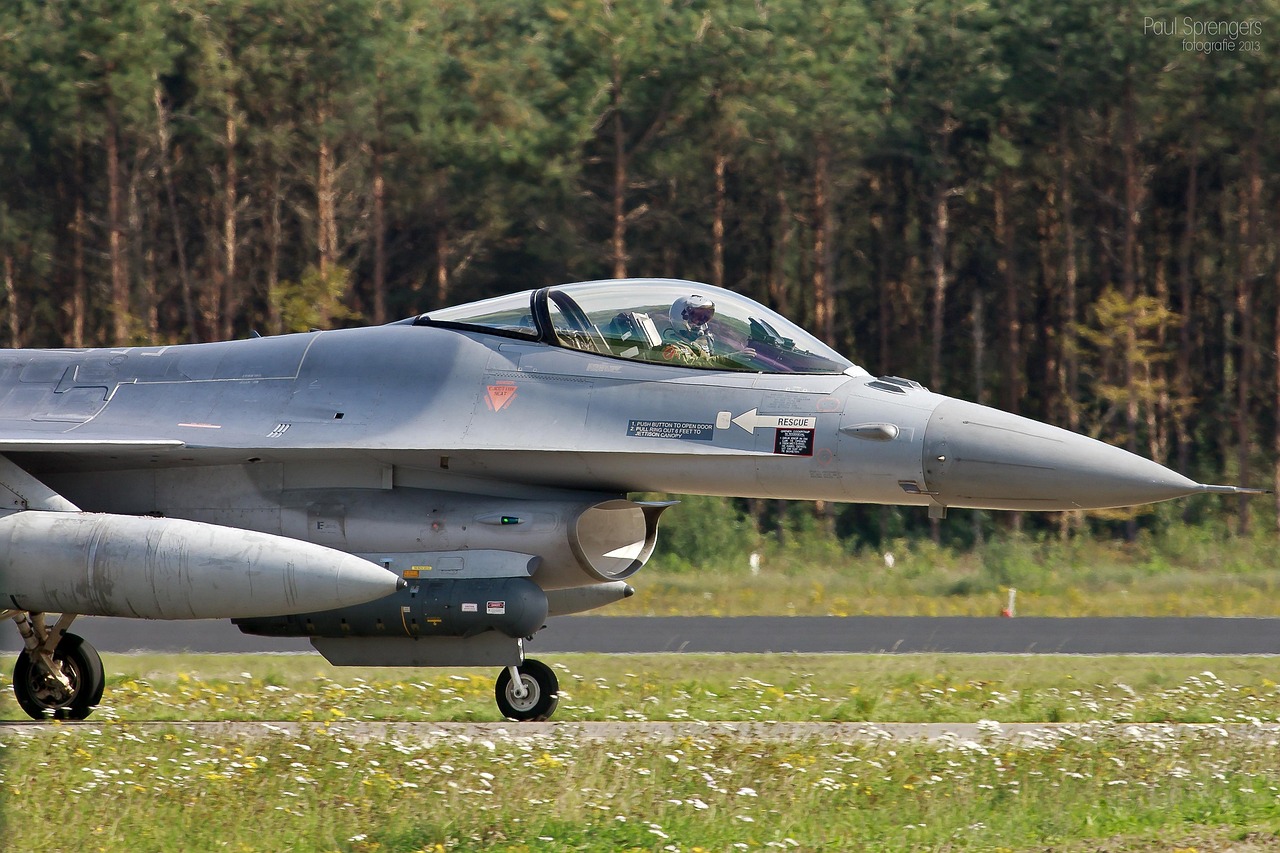
According to the US Central Command (Centcom), the operations seek to dismantle threats and keep a vital global trade route open, generating expectations for a prompt stabilization in the region.
On Wednesday, July 15, 2026, the United States carried out a new series of precision bombings lasting 90 minutes. The main targets were coastal defense systems, depots, and cruise missile launch platforms located on Greater Tunb Island in the Persian Gulf.
Centcom detailed that the measure aims to further degrade the ability of Iran to attack commercial maritime traffic, thus protecting civilian and transport vessels circulating in the area.
This action is part of a recent escalation following the breakdown of the ceasefire agreement signed on June 17, 2026. President Donald Trump reinstated a naval blockade and maintained a firm stance, although hope remains for diplomatic efforts. Several countries, led by Qatar, Pakistan, and Oman, are acting as mediators to achieve a lasting peace.
Meanwhile, the Iranian press reported explosions near the port of Bandar Abbas, Qeshm Island, and Bushehr. In response, Iran's Revolutionary Guard reported attacks on US military targets in Jordan, Kuwait, and Bahrain, although allied countries in the region are trying to prevent the conflict from escalating.
The Gulf Cooperation Council (GCC), comprising Saudi Arabia, Qatar, Kuwait, the United Arab Emirates, Bahrain, and Oman, has expressed concern and urged to avoid chaos in the Middle East.
On the economic front, tensions have caused a slight impact on crude oil prices, with Brent oil registering a 2.5% increase, reaching USD 85.37. However, with the reinstatement of control measures and 20% tolls by the US in the strait, stability is expected to recover gradually.
Source: DW

Alfredo S. Quiroga
