


16/07/2026 16:10 - Tecnologia
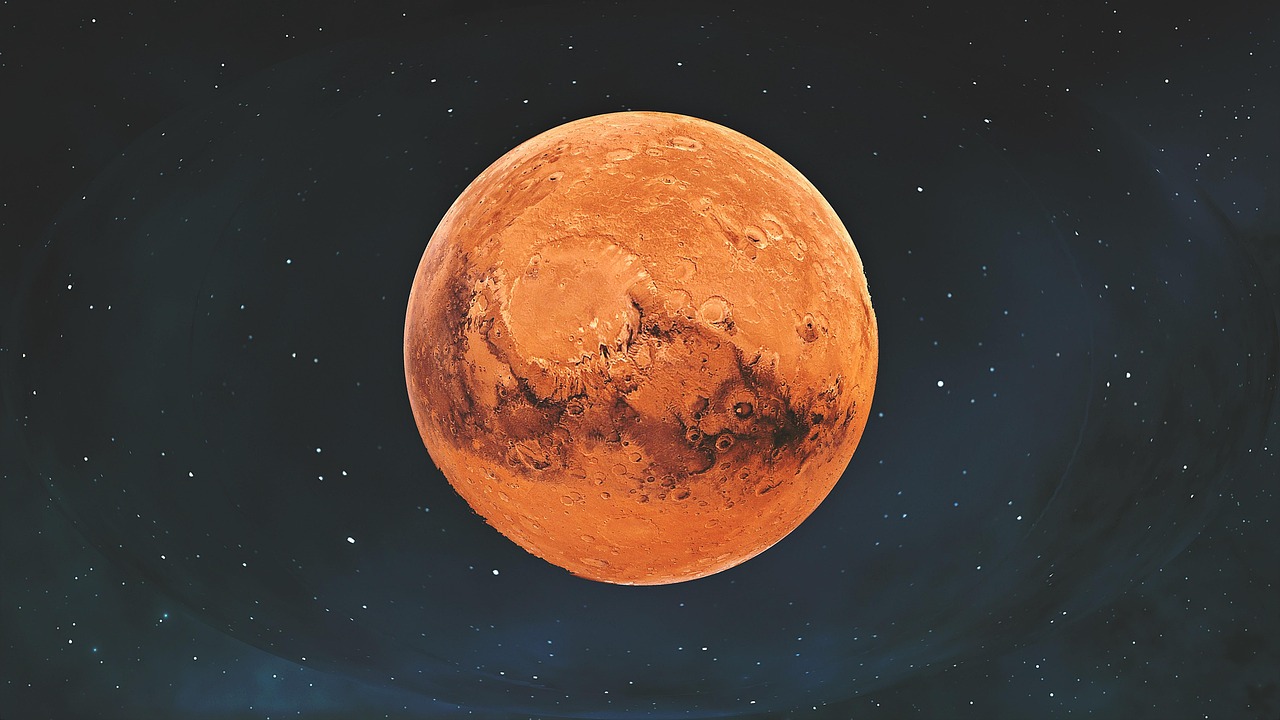
According to a report published by Infobae on July 16, 2026, human hibernation is shaping up to be one of the most promising scientific bets to make the long-awaited trip to Mars a reality. What was once exclusive to science fiction movies is now being analyzed in the world's leading laboratories as a viable solution to the enormous logistical challenges of interplanetary travel.
Also known in the scientific community as synthetic torpor, this technique would involve inducing astronauts into a state of reduced physical and metabolic inactivity, similar to what some animals experience during winter. By drastically reducing the metabolism of the human body, the consumption of oxygen, water, and food would be significantly lowered.
A trip to Mars with current technology could take between six and nine months. Keeping a crew awake and active during that time requires carrying tons of supplies, complex life support systems, and measures to mitigate physical and psychological deterioration. Hibernation would address several of these problems:
Space agencies such as the ESA (European Space Agency) and NASA have been investigating the feasibility of this method for years. Although there are still significant medical barriers, such as preventing the loss of muscle and bone mass in a body inactive for months, advances in space medicine are bringing this possibility closer to reality every day.
The dream of setting foot on Mars could be getting closer thanks to innovations that rethink the way humans travel through the cosmos. As science advances, the hope of reaching new frontiers remains more alive than ever.

Alfredo S. Quiroga
