20/07/2026 10:23 - Internacionales
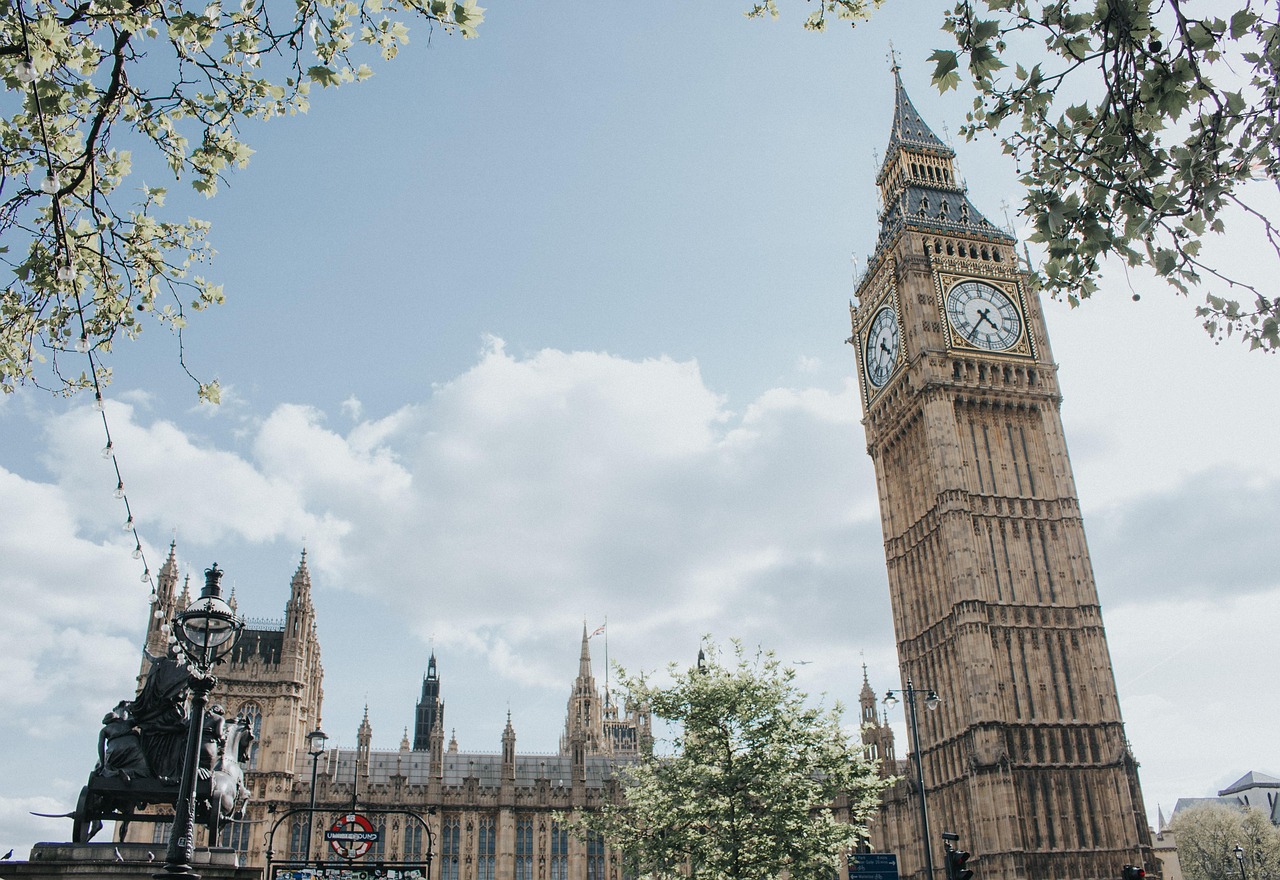
According to BBC Mundo, on July 20, 2026, Andy Burnham will become the seventh Prime Minister of the United Kingdom in a period of just 10 years. The former Mayor of Greater Manchester (a large metropolitan area in North West England) will reach power following the resignation of Keir Starmer, who served two years in office after losing the confidence of the Labour Party (the UK's main center-left political party).
Sources report that Burnham won a parliamentary seat in a by-election (an election to fill a vacant political office) held in June 2026, with the goal of challenging for the leadership. He is expected to achieve the highest office without competition, having received the backing of 379 Labour Members of Parliament (MPs), making an internal party election unnecessary.
British politics is going through a period of high volatility. Since the office of Prime Minister was created in the 18th century, the average term length was about five years. However, in the last decade, that figure has plummeted to an average of just 18 months. Of Burnham's six predecessors, five resigned before completing their terms, and only one was defeated at the polls after a brief period in power.
| Prime Minister | Reason for Leaving |
|---|---|
| David Cameron | Resigned after calling and losing the Brexit referendum in 2016 (a vote for the UK to leave the European Union). |
| Theresa May | Victim of Brexit; her withdrawal agreement was repeatedly rejected. |
| Boris Johnson | Removed by his peers over integrity and judgment issues. |
| Liz Truss | Fell due to market reaction to her tax cuts. |
| Rishi Sunak | Defeated at the polls due to public fatigue after 14 years of conservatism. |
| Keir Starmer | Resigned due to the loss of support from Labour MPs. |
The new leader has promised to change the political direction of the Labour Party and the country. However, polls and focus groups indicate three fundamental causes of public discontent that he will need to address to ensure the stability of his administration:
A painful phenomenon dating back to the global financial crisis of 2008. Economic pessimism has reached its highest level since 1978, breaking the promise that the next generation will live better than the previous one.
The public perception that 'nothing works anymore'. The lack of growth has deprived governments of resources to invest in infrastructure, education, and healthcare (such as the National Health Service, NHS).
More than 80% of the population believes the country is divided. The challenge will be dealing with how to live together harmoniously in a multiracial, multiethnic, and multinational society.
With a challenging outlook but the hope of reversing decades of discontent, the world's eyes are on how this new leadership will guide the country. According to the analysis by BBC Mundo, while governing has become more complex in a fragmented world, it is not impossible. The new premier is expected to dispel the veil of pessimism that has hung over the nation to build a more prosperous and united future.

Alfredo S. Quiroga