20/07/2026 16:02 - Internacionales
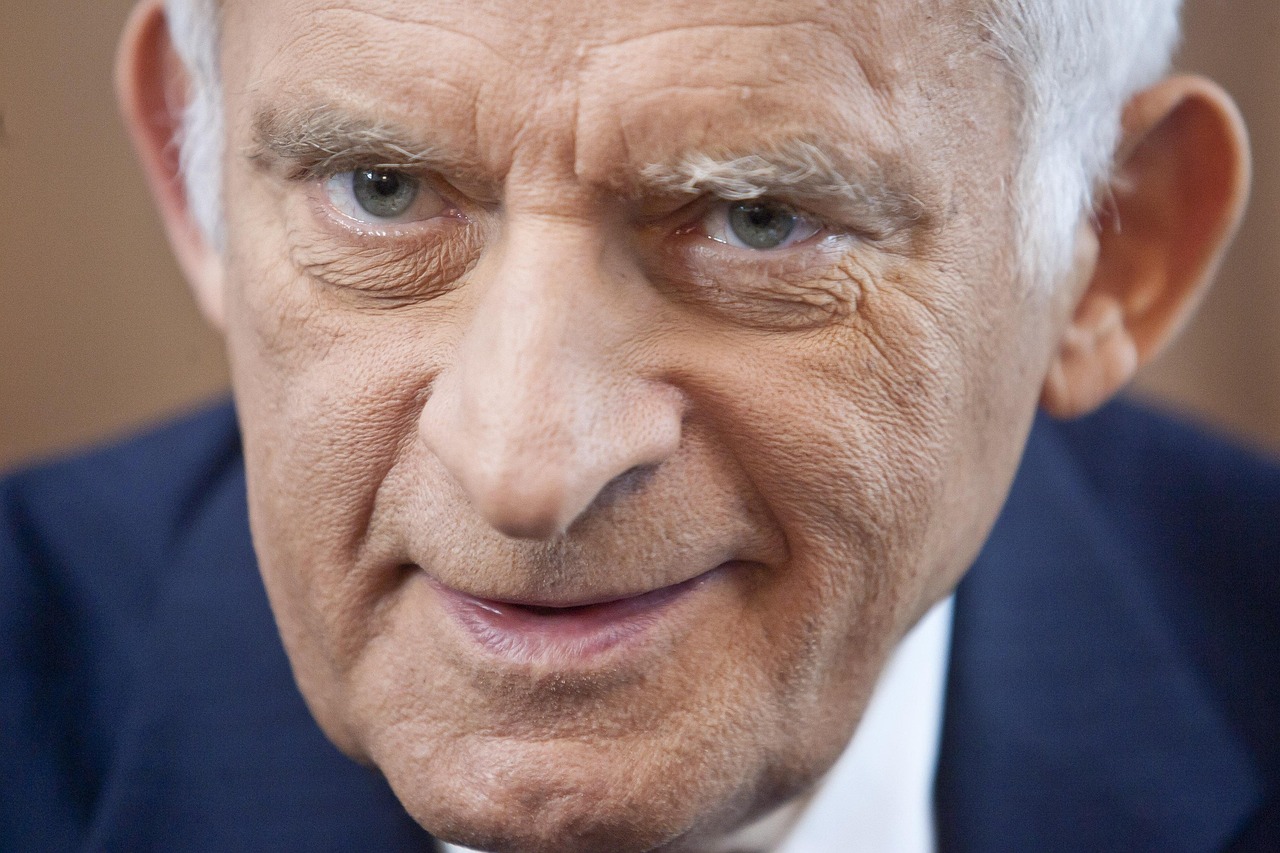
This July 20, 2026, the United Kingdom woke up to a new leader. Andy Burnham (56 years old), former Mayor of Manchester, took office as the seventh Prime Minister in the last decade, after being tasked by King Charles III to form a new government at Buckingham Palace.
Burnham replaces fellow Labour Party member Keir Starmer, who announced his resignation on June 22, 2026, after losing the support of his parliamentary group. Starmer said goodbye, claiming his job 'is done' and that he leaves the nation 'stronger and fairer' than when he took office two years ago, following his victory in the 2024 general election.
Born on January 7, 1970, in Aintree, a suburb of Liverpool, Burnham comes from a working-class Catholic family. His political vocation awakened at age 15, when he joined the Labour Party, deeply marked by the miners' strikes (1984-1985) during Margaret Thatcher's government, which left 3.3 million people unemployed.
A graduate in English from the University of Cambridge, he climbed the political ladder patiently. He was the Member of Parliament (MP) for Leigh from 2001 and held key positions during the Tony Blair era, such as Treasury Secretary, Minister of Culture and Sport, and Minister of Health. However, it was in his role as Mayor of Manchester (2017-2026) that he built his reputation as an efficient, popular manager who challenged London's centralism.
Accompanied by his wife, Marie-France Van Heel, Burnham delivered his first speech at the doors of 10 Downing Street, calling for reflection and abandoning any triumphalism. 'I am very aware that I am the seventh prime minister since 2016. This must be a moment of reflection and renewed determination,' he stated.
The new Head of Government announced immediate and long-term measures, aimed at reversing what he described as 'four decades of neoliberalism' inherited from Thatcher's conservative revolution. His priorities include:
Barely in office, Burnham began restructuring the Cabinet, removing figures loyal to Starmer such as Rachel Reeves (Economy) and David Lammy (Justice). In a move that surprised analysts, he appointed John Healey as the new Chancellor of the Exchequer (Minister of Economy). Healey, a moderate and veteran politician, had resigned days earlier as Defense Minister in protest over the meager rearmament budget.
Other notable moves included shifting Ed Miliband from Energy Security to Foreign Secretary, and Yvette Cooper from Foreign Secretary to Health. Shabana Mahmood will remain at the Home Office, as she had requested.
Context of Instability: The United Kingdom is going through a period of great political volatility. In the last ten years, the average duration of a term dropped to just 18 months. Burnham's predecessors in this turbulent decade include David Cameron, Theresa May, Boris Johnson, Liz Truss, Rishi Sunak, and Keir Starmer. The country also faces economic challenges such as stagnation since 2008, weakened public services, and a perception of social division affecting 80% of the population.
Sources: El País, Infobae, Deutsche Welle.

Alfredo S. Quiroga