


20/07/2026 21:51 - Internacionales
On July 20, 2026, the Middle East is experiencing a moment of high tension, but also intense diplomatic activity oriented towards peace. The United States completed its tenth consecutive night of attacks against Iranian targets, in response to previous aggressions. Simultaneously, Houthi rebels in Yemen announced a maritime blockade against Saudi Arabia, threatening one of the world's most vital commercial routes. Who are the Houthis? They are an armed rebel group operating mainly in Yemen, deeply involved in regional proxy wars.
According to the United States Central Command (CENTCOM), the US attacks sought to degrade Iranian military capabilities in the Strait of Hormuz, impacting areas such as Qeshm Island, Bandar Abbas, and Sirik. What is the Strait of Hormuz? It is a narrow strait between the Persian Gulf and the Gulf of Oman, serving as a critical transit route for global oil shipments. For its part, Iran claimed to have attacked HIMARS missile systems at Camp Arifjan in Kuwait, leading Kuwait to activate its air defenses. The Pentagon identified two US military personnel killed in Jordan: Lieutenant Tyler James Feehan (25 years old) and Private Isabella Gonzales (19 years old). The total US casualties amount to 17 since the conflict began on February 28, 2026. Despite this scenario, President Donald Trump and State Department officials are keeping channels open for a possible diplomatic solution.
In a new episode of the conflict, Houthi military spokesman Yahya Saree announced a maritime embargo against Saudi Arabia under an 'eye for an eye' policy, following an attack on Sanaa airport. This measure threatens the Bab el-Mandeb strait in the Red Sea. What is the Bab el-Mandeb strait? It is a crucial maritime bottleneck connecting the Red Sea to the Gulf of Aden. Saudi Arabia has used it as an alternative to export over 3.6 million barrels of crude oil daily, avoiding the tense Strait of Hormuz. Riyadh strongly condemned the blockade and assured that it will protect its navigation.
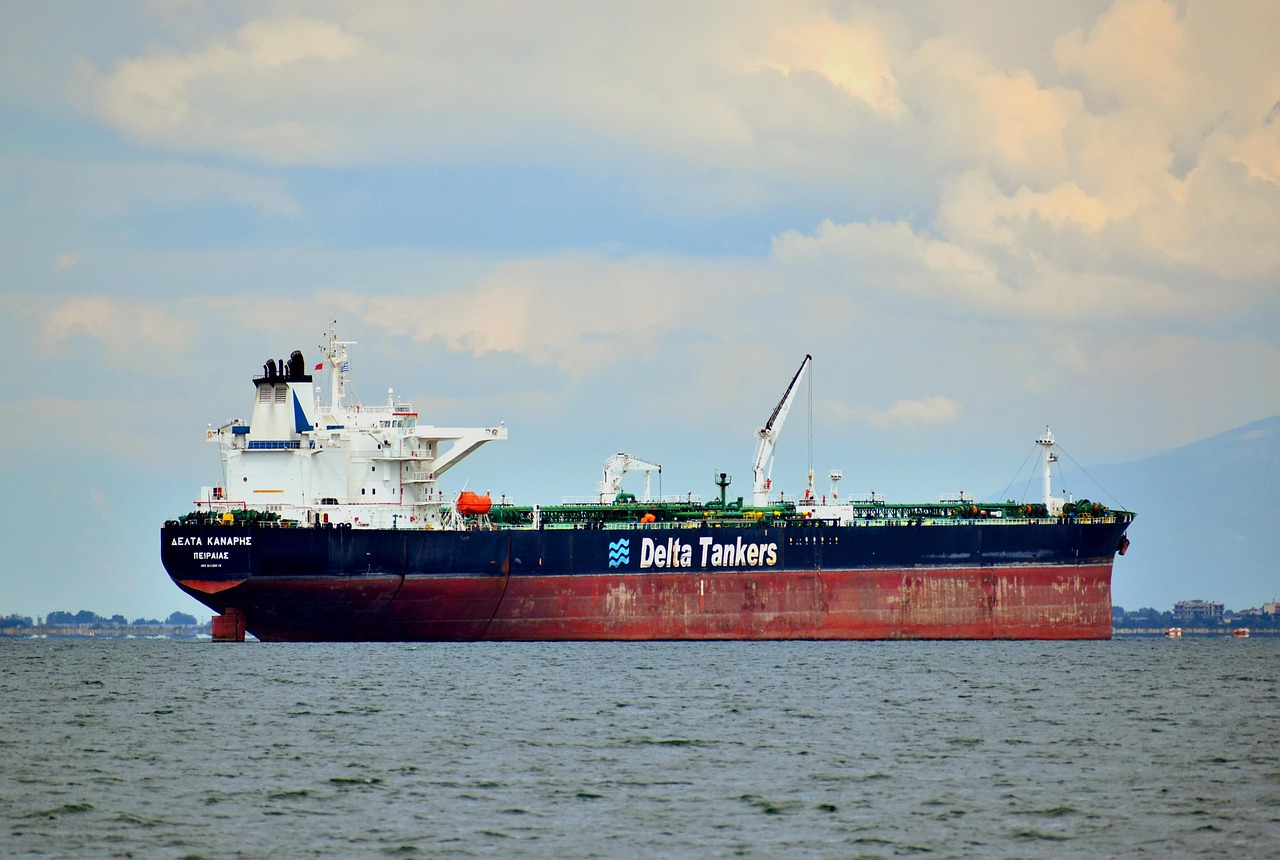
The instability has caused an increase in oil prices, with Brent crude rising 1.3% to $89.22 and WTI up 0.9% to $83.23. What are Brent and WTI? They are the main global benchmarks for oil pricing, representing Atlantic and US markets respectively. A cargo ship was also hit by an unknown projectile in the Strait of Hormuz, underscoring the risks for global trade.
However, there are reasons for optimism. Mediators like Qatar and Pakistan have proposed a 10-day ceasefire and the lifting of restrictions in the Strait of Hormuz. US Secretary of State Marco Rubio stated that Washington 'is always open to a diplomatic solution,' while Iranian Foreign Ministry spokesman Esmail Baghaei confirmed they are evaluating several proposals to de-escalate the situation. In parallel, Israel announced the start of a 'safe zones' pilot plan in southern Lebanon in cooperation with the US and the Lebanese army, showing progress towards regional stabilization.
Sources: ANSA Latina, Infobae, and Cadena 3.

Alfredo S. Quiroga
