


21/07/2026 10:00 - Actualidad
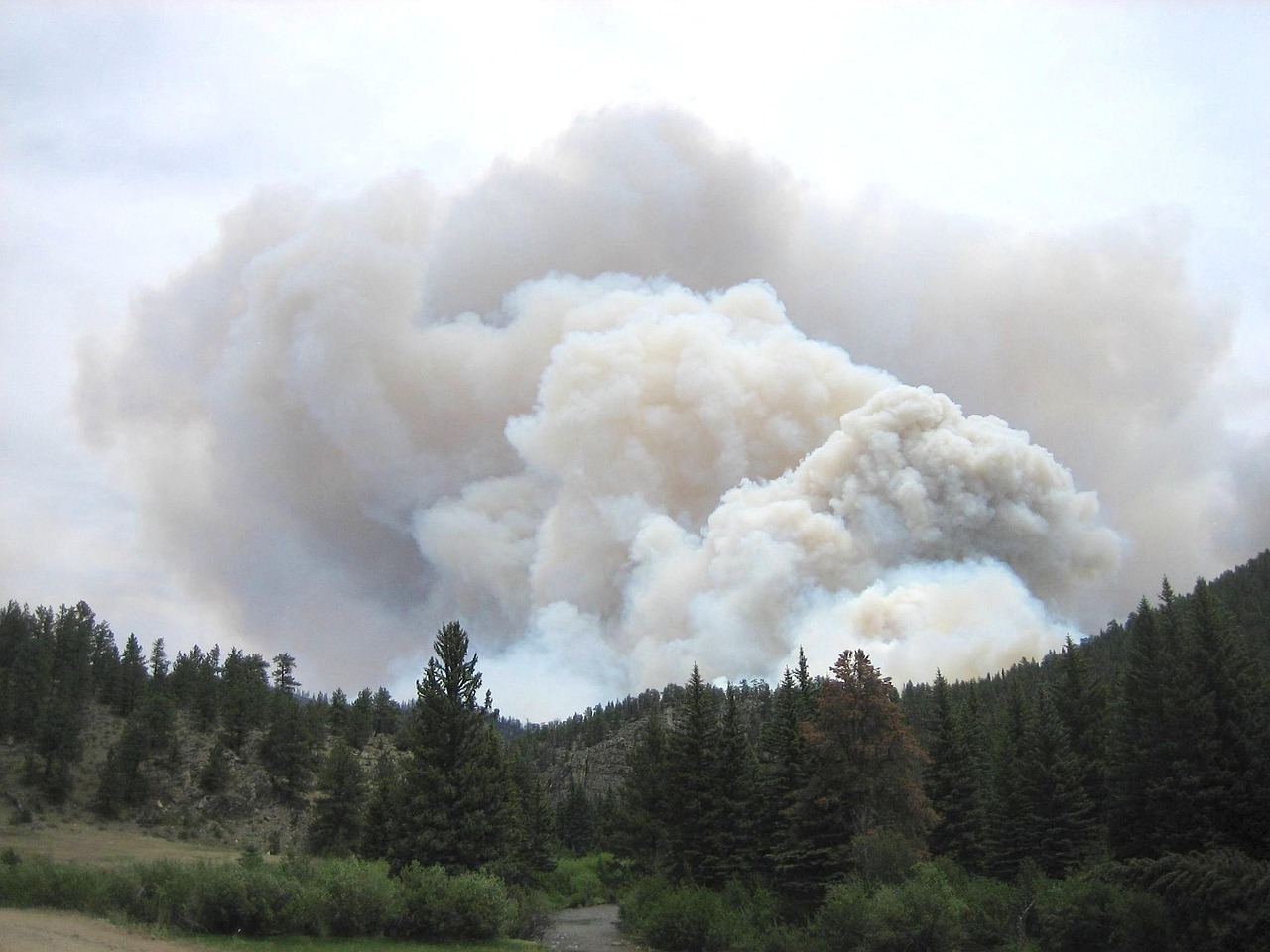
The Argentine Northwest experienced a challenging weekend due to the early arrival of the Zonda Wind, a local meteorological phenomenon characterized by extremely warm and dry gusts descending from the Andes Mountains. Fortunately, the rapid response from emergency agencies and a shift in the weather allowed them to control the situation.
According to Infobae, on Monday, July 20, 2026, the government of Salta conducted a monitoring flyover over the provincial capital and its surroundings. The results were encouraging: no active fire spots were recorded in the city or its immediate vicinity.
Gonzalo Rodríguez, the Undersecretary of Civil Defense of the Province, detailed that between Thursday, July 16, and Sunday, July 19, approximately 830 hectares were affected in Salta Capital and nearby areas. The most critical day was Thursday, with 47 simultaneous grassland fires, a number that progressively decreased until reaching 11 active spots counted on Sunday.
The arrival of a cool front on Monday facilitated the brigadistas' (firefighters') tasks, allowing the situation in the capital to normalize. However, in the town of Nazareno, located in northern Salta, an affected area of around 5,700 hectares is estimated, which is being constantly monitored via satellite tracking.
The National Meteorological Service (SMN, by its Spanish acronym) maintains a yellow alert for winds in the province's Valleys. The warning includes gusts of up to 100 km/h (about 62 mph).
| Affected Zones | Details |
|---|---|
| Valleys of Cachi, Cafayate, Chicoana, La Caldera, La Poma, Molinos, Rosario de Lerma, and San Carlos | Sustained winds of 60 to 80 km/h |
Source: Ministry of Security of Salta
The phenomenon also hit the neighboring province of Jujuy hard on Saturday, July 18, 2026. The gusts exceeded 130 km/h (about 80 mph), being described by local authorities as the most intense storm in over 30 years. The event left more than 5,000 users without electricity supply, blew off roofs, and downed trees.
Given the severity, the Jujuy government urgently formed a coordinating committee to ensure essential services and hospital operations, managing to restore normalcy in the following hours.
In an episode mixing tension and relief, the squad of the football club Aldosivi was evacuated from the Salteña Football League Hotel on Friday due to a nearby fire. According to Rodríguez, the fire did not enter the hotel and the building was protected, but “the players panicked because the wind made it seem like the fire could enter.” The delegation moved without issues to another accommodation before their match against River Plate in the Argentine Cup.
A grassland fire was also reported near the Padre Ernesto Martearena stadium during the match, which was quickly controlled by emergency teams.
The Municipality of Salta issued an orange alert (very high risk) and urged residents to take extreme precautions. Key measures include:
Thanks to the joint work of Civil Defense, Firefighters, SAMEC (Emergency Medical System), and the community, the Argentine Northwest overcomes this weather challenge with hope and resilience.

Alfredo S. Quiroga
