22/07/2026 19:52 - Actualidad
A fascinating discovery in the Xinjiang region of northwest China is rewriting the history of life on Earth. A team of scientists has unearthed the oldest amber ever found, with a staggering age of 385 million years. This discovery, published on July 22, 2026, in the journal Science Advances, pushes back the geological record of this material by approximately 65 million years, demonstrating that land plants were producing resin much earlier than previously believed.
The amber was discovered in the Hujiersite Formation, dated to the Middle Devonian. This geological period, spanning from about 419 to 358 million years ago, is often called the 'Age of Fish', but it was also a crucial time when plant life began spreading across continents, developing wood, leaves, and deep roots. Dinosaurs were still millions of years away from appearing!
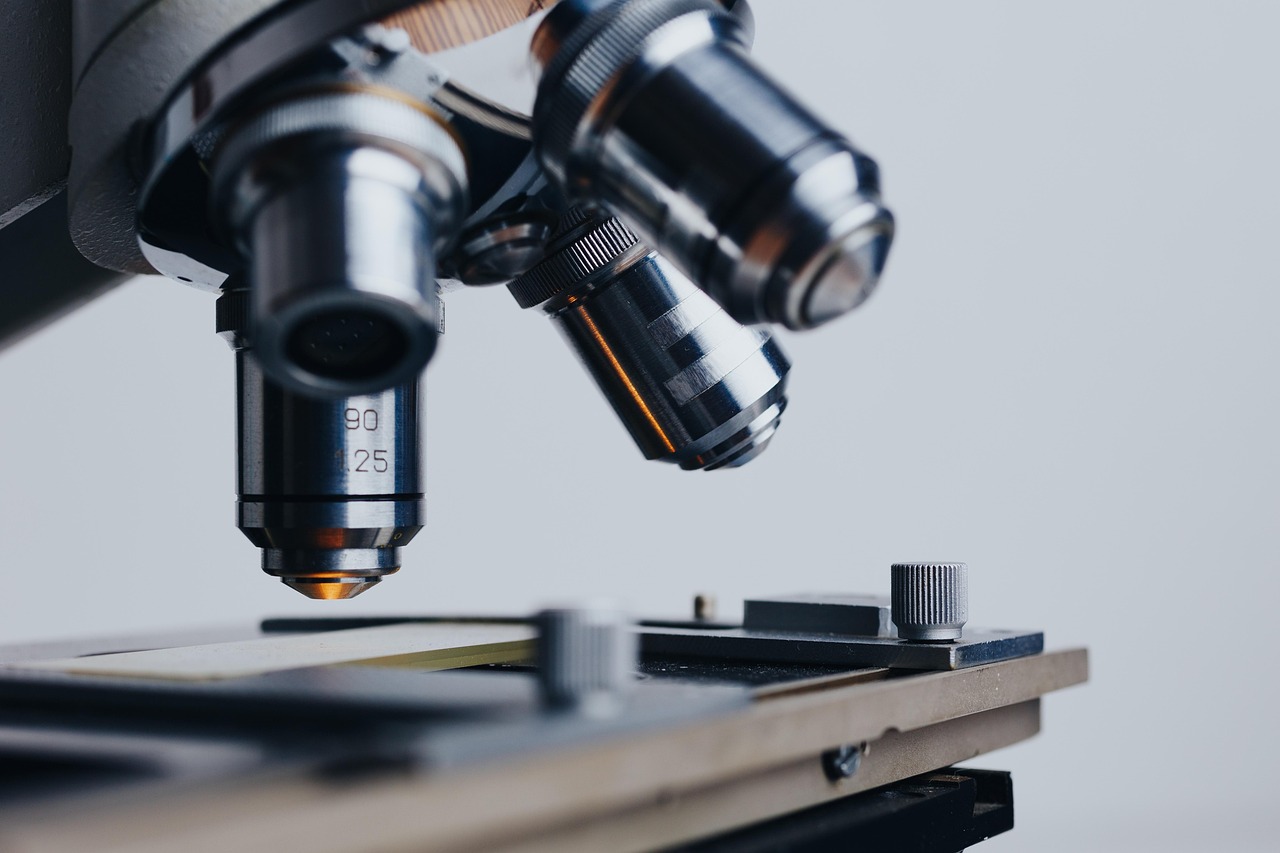
Researchers led by Dr. Cihang Luo from the Nanjing Institute of Geology and Palaeontology extracted 10 kilograms of coal from the rock formation. Hidden within were 241 microscopic fragments of amber, measuring between 0.1 and 1.5 millimeters. Due to their tiny size, they could only be detected using ultraviolet light, which made them glow a spectacular blue against the dark rock. They were then meticulously extracted by hand under a microscope.
Chemical analyses (infrared spectroscopy and gas chromatography) revealed that the composition of this ancient amber is similar to that produced today by conifers. However, a great mystery arises: in the Middle Devonian, seeds and insects did not yet exist. So, which plants produced it, and why?
Scientists suggest that the creators could have been seedless plants, such as progymnosperms or lycopsids. As for its function, the resin likely did not serve to defend against insects. Instead, it would have been a crucial evolutionary innovation to protect against wildfires and parasitic fungi in a world where vast forests were just beginning to take shape.
This discovery fills us with hope and opens a massive door for paleontology. Dr. Luo suggests that similar materials could be hiding in other Paleozoic coal collections. The future holds more revealed secrets from our fascinating planet!
Sources: Los Andes, Infobae, Clarín, El Cronista.

Alfredo S. Quiroga