18/06/2026 10:10 - Economia
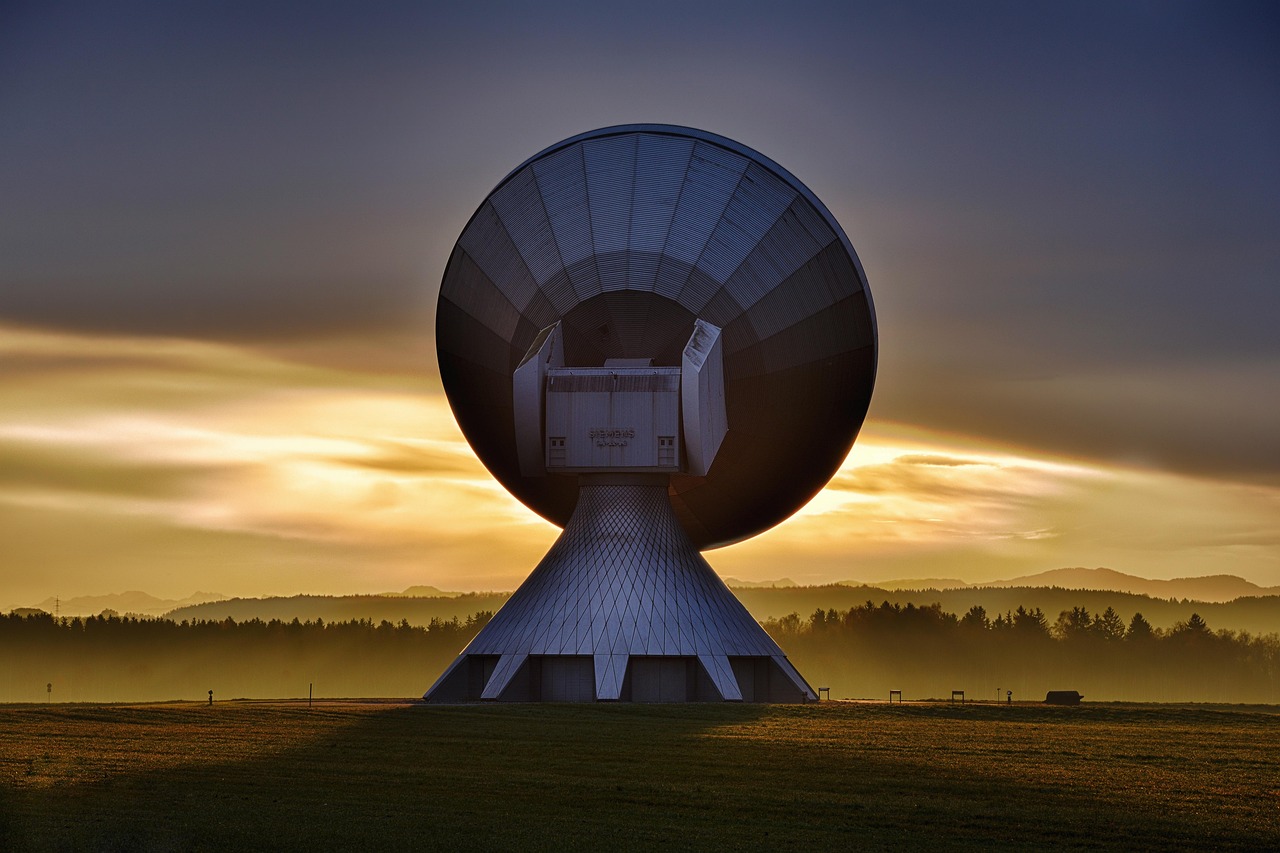
Ilustración conceptual de antenas de telecomunicaciones y ondas de señal sobre un mapa de Argentina, representando la fusión empresarial y la competencia en el mercado de comunicaciones
The Competition Defense Tribunal (TDC) notified its final decision regarding the purchase of Telefónica Móviles Argentina by Telecom, an operation valued at USD 1.25 billion announced in February 2025. The resolution establishes that Telecom must divest 6 million mobile customers, representing approximately 50% of its current portfolio.
Telecom Argentina is one of the country's largest telecommunications companies, controlled by Grupo Clarín through Cablevisión Holding. Telefónica Móviles Argentina is the local subsidiary of the Spanish telecommunications giant Telefónica. Grupo Clarín is Argentina's largest media conglomerate, often compared to a combination of Disney, Comcast, and The New York Times Company in the United States.
President Javier Milei, a libertarian economist who took office in December 2023, has maintained a confrontational stance toward Grupo Clarín. Milei has a pinned tweet on his personal account calling Clarín "the great Argentine scam."
Telecom must transfer 6 million mobile subscribers strategically distributed across AMBA (Buenos Aires Metropolitan Area), Northern Region, and Southern Region to a new competitor in the sector.
The company must cede 130 MHz of spectrum to allow a new operator to compete on equitable terms. Radio spectrum is the invisible highway that mobile signals travel on.
Must guarantee access to infrastructure, systems, and interconnection conditions for a period of 2 years while the competitor develops its own network.
The regulatory body based its decision on the fact that, without these conditions, the merger would generate a 70% market concentration in telecommunications within a single economic group. With the imposed measures, concentration would be limited to 50%.
ENACOM (National Communications Agency), Argentina's federal telecommunications regulator, prepared the technical report that served as the basis for the decision. The National Competition Authority (ANC) approved the package of structural and behavioral conditions.
For international context: This is similar to when U.S. or EU regulators require companies like AT&T or Vodafone to divest assets before approving major mergers to protect competition.
The decision comes amid growing tension between the government of Javier Milei and Grupo Clarín. The president has long maintained a critical stance toward the media conglomerate, with a pinned tweet on his personal account calling Clarín "the great Argentine scam."
According to sources from Grupo Clarín cited by La Política Online, the company learned of the decision through the official announcement, without previously receiving the resolution for its lawyers to analyze. The media conglomerate considers that the measure has a political undertone and argues that the Argentine market already faces global competition with the entry of Starlink, Elon Musk's satellite internet company, which already has one million users in the country.
| Transaction Value | USD 1.25 billion |
| Customers to Divest | 6 million (50% of portfolio) |
| Spectrum to Cede | 130 MHz |
| Infrastructure Access Period | 2 years |
| Concentration Without Conditions | 70% of market |
| Concentration With Conditions | 50% of market |
| Original Announcement Date | February 2025 |
Telecom has two possible paths: accept the conditions or appeal to the courts. If it accepts, it must find a buyer for 50% of its customer portfolio, a process that could be complex and lengthy.
The operation also involves other stakeholders: Mexican businessman David Martínez (minority partner), a portion of Telecom that trades on Wall Street, and another part belonging to ANSES (Argentina's Social Security Administration). However, the official announcement only mentioned Grupo Clarín.
The Competition Defense Tribunal is a decision-making body of the National Competition Authority (ANC), whose validity was recently confirmed in the Senate. Its mission is to prevent the formation of monopolies that harm consumers and free competition.

Alfredo S. Quiroga