


19/06/2026 18:50 - Economia
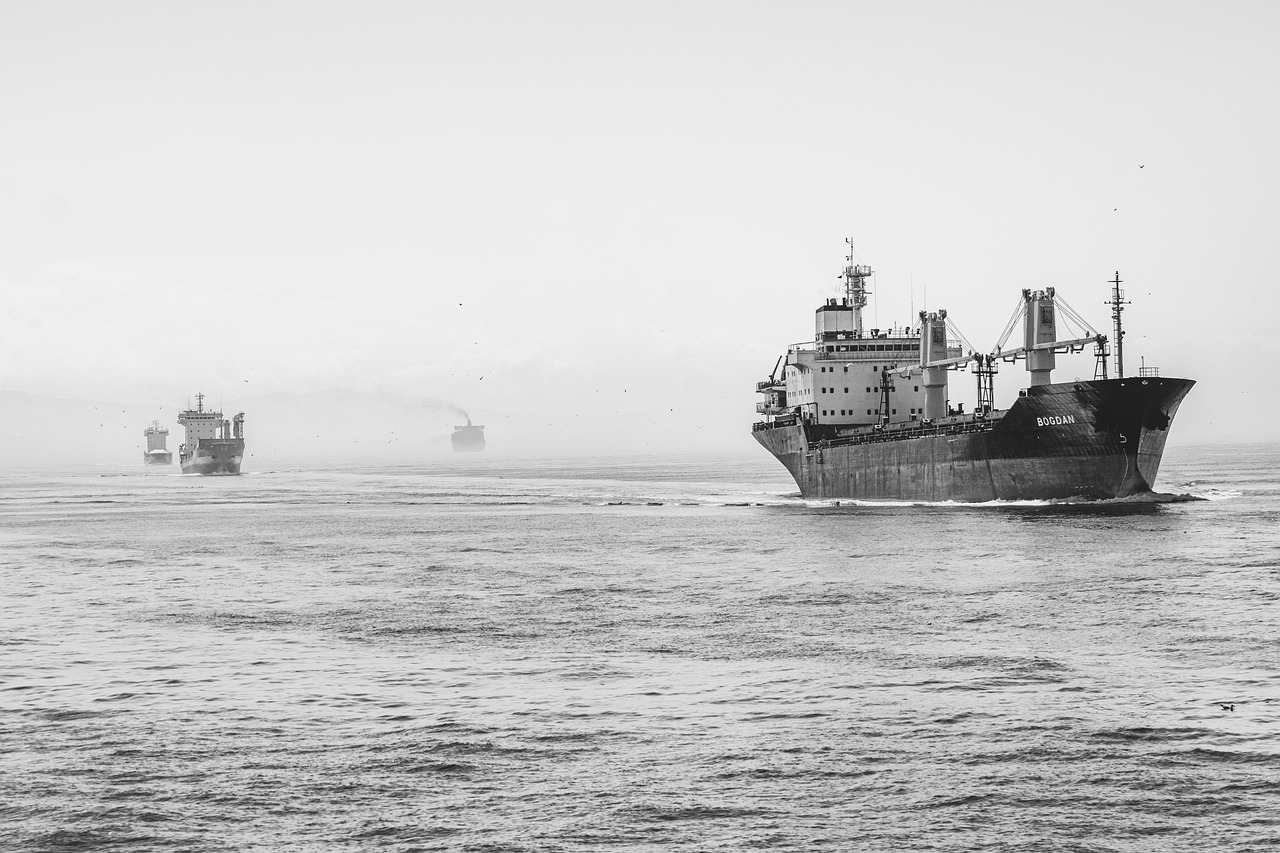
Buques de carga navegando por el Río Paraná en un día soleado, con la costa visible y silos de granos a lo lejos
In what constitutes one of the largest privatizations under President Javier Milei's administration, the Argentine government has completed the award of the Trunk Navigable Waterway through Resolution 2026-36-APN-ANPYN#MEC issued by the National Agency of Ports and Navigation. The consortium formed by Belgian company Jan De Nul and Argentine firm Servimagnus will take over operations for a period of 25 years.
The new entity, named Vía Navegable Argentina (VNA), will be responsible for the operation, maintenance, and modernization of this crucial river corridor. The contract signing is expected within a maximum of 30 days and will activate, according to the official announcement, a 13.5% reduction in logistics costs.
For international readers unfamiliar with Argentine geography, the Paraná-Paraguay Waterway (locally known as "Hidrovía") is a vital river transportation corridor that connects Argentina, Brazil, Bolivia, Paraguay, and Uruguay. It serves as South America's most important inland navigation route, stretching over 3,400 kilometers from the Brazilian state of Mato Grosso to the Río de la Plata near Buenos Aires.
This waterway handles approximately 80% of Argentina's agricultural exports, including soybeans, corn, wheat, and other commodities. It is the lifeline of South American agricultural trade, making it strategically essential not only for Argentina but for the entire region's economy.
The waterway is a cornerstone of the South American economy, as it transports the 80% of Argentine exports, in addition to cargo from Brazil, Bolivia, Uruguay, and Paraguay. The new operator is estimated to generate an average annual revenue of USD 628.2 million, which projected over 25 years would total USD 15.7 billion.
Wim Bosteels, representative of Jan De Nul, emphasized the responsibility the consortium assumes: "We are fully aware of the importance that the Trunk Navigable Waterway has for Argentina's competitiveness and for the development of its production chains."
Meanwhile, Marcos De Vincenzi, General Manager of Servimagnus, highlighted the company's historic commitment to Argentine logistical infrastructure and promised a "modern, transparent, and globally competitive management," based on private investment and technology transfer.
Jan De Nul had previously operated the waterway for 25 years until 2021, when the government of Alberto Fernández returned management to the State, although the company continued as a subcontractor. The current bidding process was launched in November 2024 and overcame controversies, including accusations of lack of transparency by a U.S. consortium supporting DEME (another Belgian competitor), and warnings from a U.S. congressman about alleged links between Jan De Nul and Chinese entities, which the company denied.
| Bidder | Technical Score | Rate Discount Offered |
|---|---|---|
| Jan De Nul-Servimagnus | 66.20 points | 13.5% |
| DEME Consortium | 42.14 points | 17.4% |
Source: Official bidding documents
Jan De Nul obtained 66.20 technical points versus 42.14 for DEME, according to prior context information, which tipped the balance in their favor despite DEME offering a higher tariff discount (17.4%). The process was audited by UNCTAD (United Nations Conference on Trade and Development), without objections.
The award received backing from provincial governments (Entre Ríos, Santa Fe, Corrientes, Chaco, Formosa, and Misiones) and private sector organizations such as CIARA-CEC, the Argentine Industrial Union, and the Rosario Stock Exchange.
For readers unfamiliar with the company, Jan De Nul Group is a Belgian family-owned company established in 1938, specializing in dredging, offshore, and civil engineering projects. It is one of the world's largest dredging companies, operating globally with a fleet of modern vessels and cutting-edge technology for maritime infrastructure projects.
Sources: Infobae, El Día, El País

Alfredo S. Quiroga
