19/06/2026 21:17 - Economia
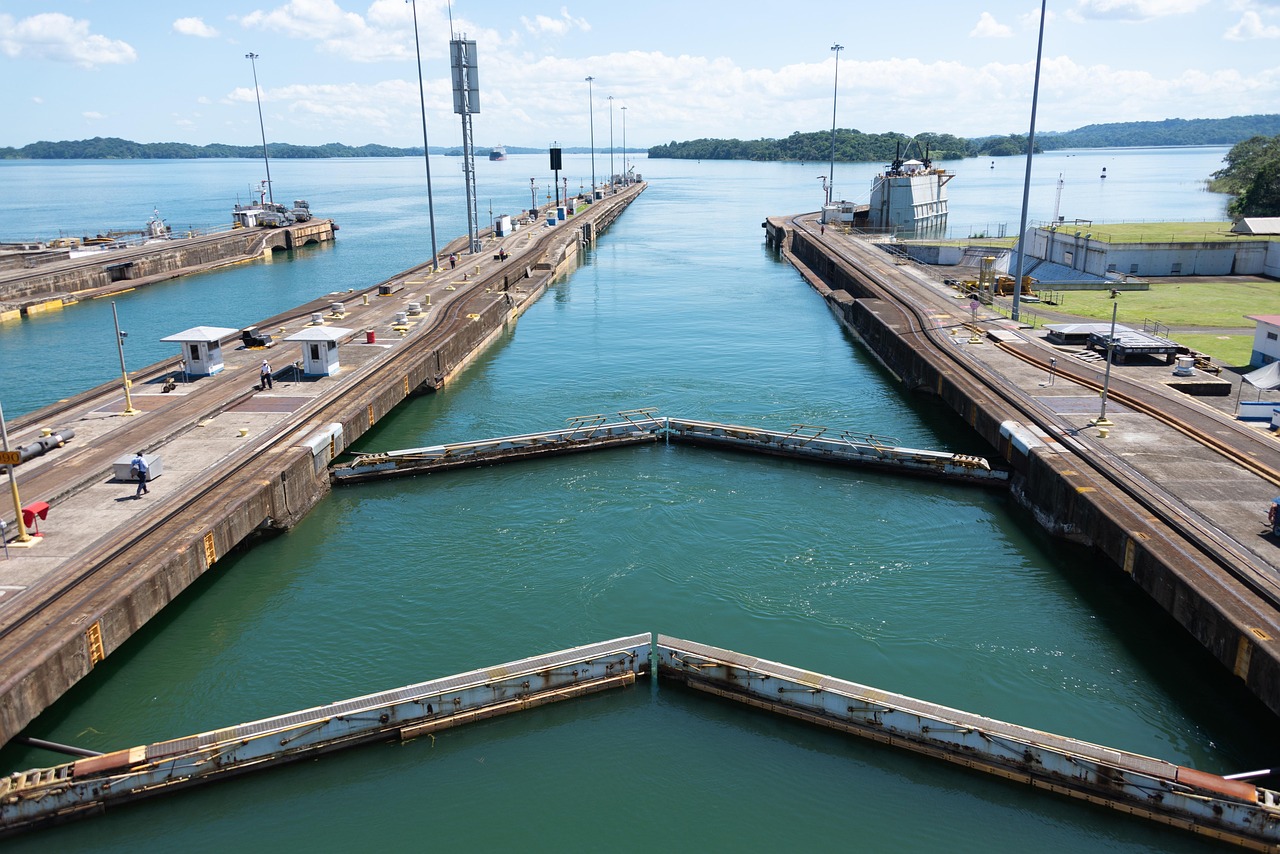
Vista aérea de buques de carga navegando por el Río Paraná en Argentina, con aguas marrenes características, representando la Hidrovía Paraná-Paraguay y el corredor fluvial estratégico para las exportaciones sudamericanas
On June 19, 2026, Argentina's national government confirmed the concession award for the Trunk Waterway, known as the Paraná-Paraguay Waterway, to the consortium formed by Belgian company Jan De Nul and Argentine firm Servimagnus. The companies created a joint venture called Vía Navegable Argentina (VNA), which will operate the river corridor for 25 years.
The official announcement came through the Ministry of Economy and was formalized with Resolution 36/2026 published in the Official Gazette. The contract signing is scheduled within a maximum of 30 days.
The bidding process was audited by UNCTAD (United Nations Conference on Trade and Development) with no objections filed, granting international transparency to the award.
For international readers: This is South America's most important river transport corridor, similar in strategic importance to the Mississippi River in the United States or the Rhine in Europe. It spans 1,238 kilometers (770 miles) through Argentina, Brazil, Bolivia, Paraguay, and Uruguay, connecting the continent's agricultural heartland to Atlantic Ocean ports for global export.
This strategic river corridor of 1,238 kilometers connects the Paraná and Paraguay rivers with the Río de la Plata and the Atlantic Ocean. Cargo vessels navigate this waterway from five South American countries: Argentina, Brazil, Bolivia, Paraguay, and Uruguay.
It is Argentina's primary export channel, especially for grains and derivatives. An estimated 80% of Argentine exports travel through this waterway.
The concession includes operation, toll collection, maintenance, signaling, and dredging tasks from kilometer 1,238 of the Paraná River to the deep-water zone of the Río de la Plata.
| Concept | Value |
|---|---|
| Concession Duration | 25 years |
| Logistics Cost Reduction | 13.5% |
| Savings per Ton | USD 10 |
| Estimated Annual Revenue | USD 628.2 million |
| Projected Revenue (25 years) | USD 15.66 billion |
| Jan De Nul Technical Score | 66.20 points |
| DEME Technical Score | 42.14 points |
| DEME's Offered Tariff Difference | 17.4% greater discount |
Jan De Nul is not new to this waterway. Between 1996 and 2021, the Belgian company operated the river corridor in consortium with Argentine firm Emepa. When the contract expired during Alberto Fernández's government, operations transferred to state control, though Jan De Nul continued as a subcontractor.
The first bidding attempt under Milei's government in November 2024 was declared null in February 2025 because only one bid was submitted: from DEME. The Executive Branch accused the competitor at that time of attempting to sabotage the process.
During this second process, a consortium of U.S. companies supporting DEME sent a letter to the White House and the Argentine government warning about alleged lack of transparency and a "bias" favoring Jan De Nul. Additionally, Republican Brian Mast, Chairman of the House Foreign Affairs Committee, wrote to Secretary of State Marco Rubio alerting about Jan De Nul's alleged links to Chinese state entities.
Jan De Nul responded by assuring there would be no Chinese company participation or "external state interference," prioritizing Western technological solutions, particularly from the United States.
With this concession, the Argentine state transitions from direct operator to serving as regulator of the river corridor. This transformation aims to professionalize management, attract private investment, and modernize infrastructure.
CIARA-CEC (the agribusiness export chamber) pushed to accelerate the decision and requested VAT exemption to maximize the benefits of the operational change.
The Mediterranean Foundation demands a Cabotage Law reform to develop the Upper Paraná region. Currently, Paraguay has the world's third-largest merchant fleet thanks to a favorable regime (10-10-10), while Argentina maintains restrictions limiting its competitiveness in the sector.
The absence of comprehensive maritime sector reform could undermine the expected benefits of the waterway privatization.
Wim Bosteels, legal representative of Jan De Nul, stated: "We receive this ratification with satisfaction, but above all with profound responsibility. We are fully aware of the importance of the Trunk Waterway for Argentina's competitiveness and the development of its productive chains. Our commitment is to put the best technical, human, and technological capabilities at the country's service to continue strengthening strategic infrastructure for the coming decades."
Marcos De Vincenzi, General Manager of Servimagnus, highlighted: "We presented an extremely solid proposal, sustained by private investment, use of own equipment, environmental care, a highly qualified professional team, and unprecedented technology transfer. Our purpose is to provide users and the State with the necessary operational guarantees for a modern, transparent, and globally competitive waterway."
The project plans to generate direct and indirect employment for over 600 families, with technology transfer policies and regional development.
El País - La belga Jan De Nul obtiene en Argentina la concesión de la hidrovía
Infobae - Hidrovía: las empresas que ganaron la licitación crearon Vía Navegable Argentina
Argentina.gob.ar - Con una baja del 13% en los costos logísticos, el Gobierno completó con éxito el proceso

Alfredo S. Quiroga