27/06/2026 21:17 - Internacionales
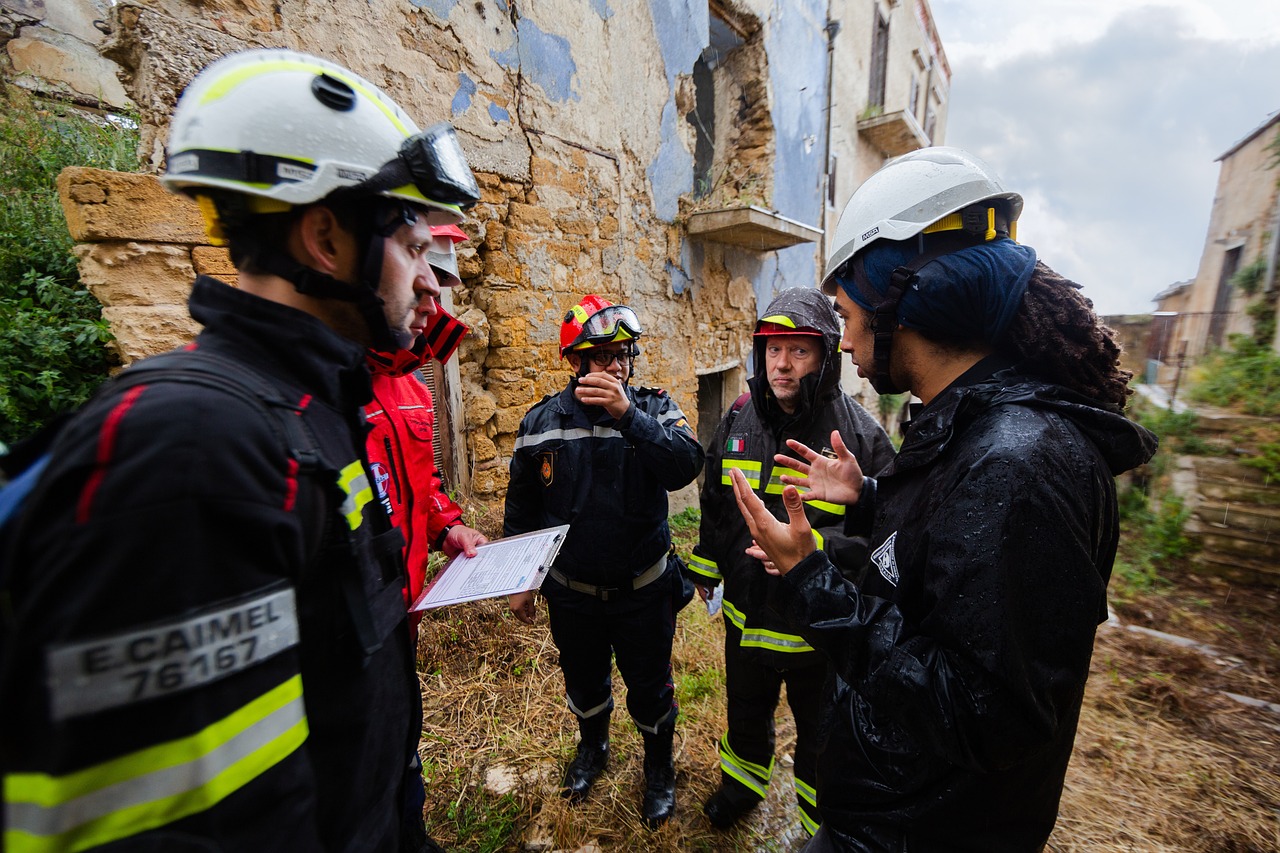
Amid the devastation caused by two earthquakes of magnitude 7.2 and 7.5 that struck Venezuela on June 24, 2026, a story of hope has emerged that is touching hearts worldwide. A baby just 18 days old named Juan David was rescued alive after being trapped for 32 hours under the rubble of a collapsed building in Playa Grande, La Guaira—the coastal state most affected by this catastrophe.
Images released by the AFP news agency capture the dramatic moment when rescue workers, working under floodlights through the night, carefully extracted the infant from the debris. The baby is passed gently from hand to hand, wrapped in a blanket, while onlookers applaud emotionally. He is then gently cleaned with tissues before being transferred for medical attention.
Most remarkably: the baby emerged unharmed from the rescue, according to local authorities. His mother, Dayana Patiño, was located alive one hour later and was also rescued from the rubble.
La Guaira is a coastal state in northern Venezuela, located approximately 30 kilometers from Caracas, the nation's capital. It is a popular tourist destination known for its beaches, which made the destruction in Playa Grande particularly devastating for both residents and the local tourism industry.
| Data | Quantity |
|---|---|
| Confirmed Dead | over 1,430 |
| Injured | 3,238 |
| Reported Missing | over 50,000 |
| Affected Families | 2,927 |
| Buildings Affected | over 250 |
| Seismic Events Recorded | 302 |
Experts have classified the phenomenon that affected Venezuela as a "seismic doublet"—a rare event that occurs when two earthquakes of similar magnitude strike the same area within a very short period.
In this case, the 7.2 and 7.5 magnitude earthquakes occurred just 39 seconds apart, with an epicenter near San Felipe, Yaracuy State, approximately 200 kilometers from Caracas. This characteristic multiplied the destructive effects and complicated rescue operations.
Given the magnitude of the disaster, which has exceeded the Caribbean nation's response capacity, more than 1,600 rescuers from at least 17 countries have arrived in Venezuela to assist with search and rescue operations.
Sent 26 personnel from the Argentine Army with USAR brigades, canine units, medical staff, and ambulances. Deployed in Caraballeda, La Guaira State.
Contributed 54 rescuers and 40 specialized firefighters, plus 57 soldiers for logistical support tasks.
The Central American nation sent the largest contingent: 300 specialized rescuers in emergency response.
Other countries providing aid include the United States (over 250 specialists, reactivated Caracas airport), Mexico (250 military personnel), United Kingdom (68 people and 6 search dogs), India (field hospital), Switzerland (80 rescuers), Portugal, and France, among others. Pope Leo XIV donated 100,000 euros for the victims.
Venezuela's Interior Minister, Diosdado Cabello, announced restricted access to La Guaira State starting at 8:00 PM on Friday, June 27, 2026. The measure responds to humanitarian, sanitary, and logistical reasons.
According to authorities, the influx of civilians created traffic congestion that hampers the movement of ambulances and rescue teams. Additionally, the presence of bodies under the rubble more than 48 hours after the earthquake poses a sanitary risk.
Volunteers wishing to help must register at the Poliedro de Caracas to obtain authorized credentials. Only those assigned specific tasks may access La Guaira.
Google's Android Earthquake Alerts System warned users up to 30 seconds before the earthquakes arrived. This technology detects P-waves (primary waves—faster but less destructive) using accelerometers in over 2 billion Android devices across 98 countries, sending notifications before the arrival of S-waves (secondary waves—slower but destructive).
A viral video showed a Venezuelan tattoo artist who saved himself thanks to this alert, allowing him to take shelter before impact.
The rescue of little Juan David and his mother Dayana represents a ray of hope amid tragedy. However, the work continues: over 50,000 people remain missing according to updated figures, and the smell of decomposition is beginning to be noticed in La Guaira as neighbors conduct their own searches amid delays in official aid.
The international community maintains its commitment to Venezuela during these critical hours, while survival stories like this demonstrate that even in the darkest moments, life can find its way through the rubble.
Alfredo S. Quiroga