


03/07/2026 04:17 - Sociales
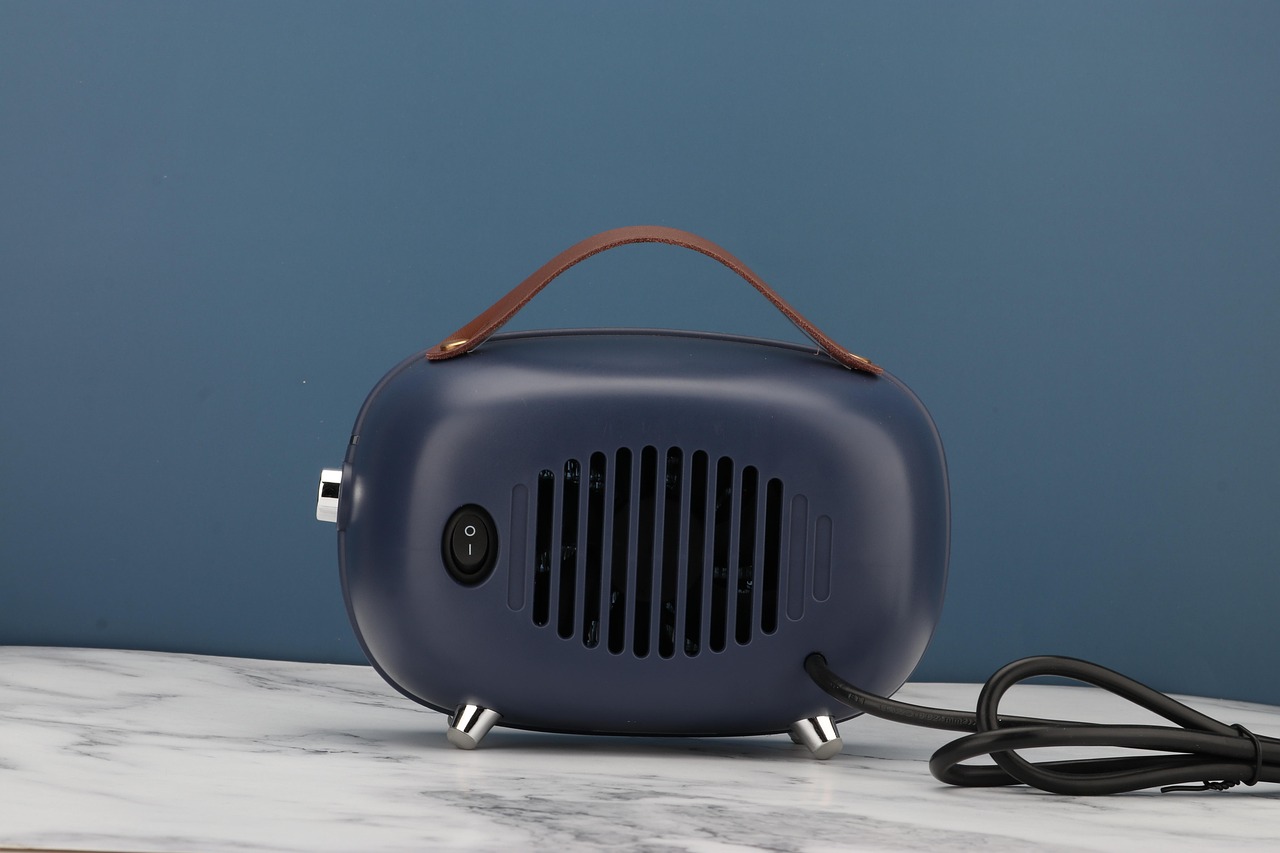
On July 2, 2026, Argentina woke up under the effects of an intense polar wave. In provinces like Mendoza—a renowned wine-producing region at the foothills of the Andes—temperatures dropped to -5°C, accompanied by winds exceeding 100 km/h. In this extreme cold scenario, the use of electric heaters skyrockets, which can significantly impact the electricity bill at the end of the month.
Facing this, finding the right technology to keep warm without hurting the wallet is essential. According to data released by Edesur—one of the main electricity distribution companies serving the southern area of Greater Buenos Aires—not all appliances consume the same amount of energy, and there are much more efficient options than traditional ones.
To understand the impact on the bill, it is key to know the hourly consumption of each device. Data reveals that portable electric fan heaters, while quick to heat small spaces, are the most energy-demanding. Conversely, radiant heating panels emerge as the great alternative to protect family economies.
| Heating Device | Consumption per hour (kWh) |
|---|---|
| Fan Heater (Caloventor) | 2.00 kWh |
| Quartz Infrared Heater | 1.20 kWh |
| Air Conditioner | 1.10 kWh |
| Electric Radiator | 0.96 kWh |
| Radiant Heating Panels (Recommended) | 0.60 kWh |
This is the approximate energy savings that can be achieved by using radiant heating panels compared to traditional fan heaters, according to energy efficiency estimates.
Beyond the chosen appliance, experts recommend paying attention to the thermal insulation of the home. Air leaks in doors and windows can cause heating efforts to be quickly lost, forcing appliances to work longer and consume more electricity.

Alfredo S. Quiroga
