04/07/2026 15:15 - Internacionales
Source: The Guardian
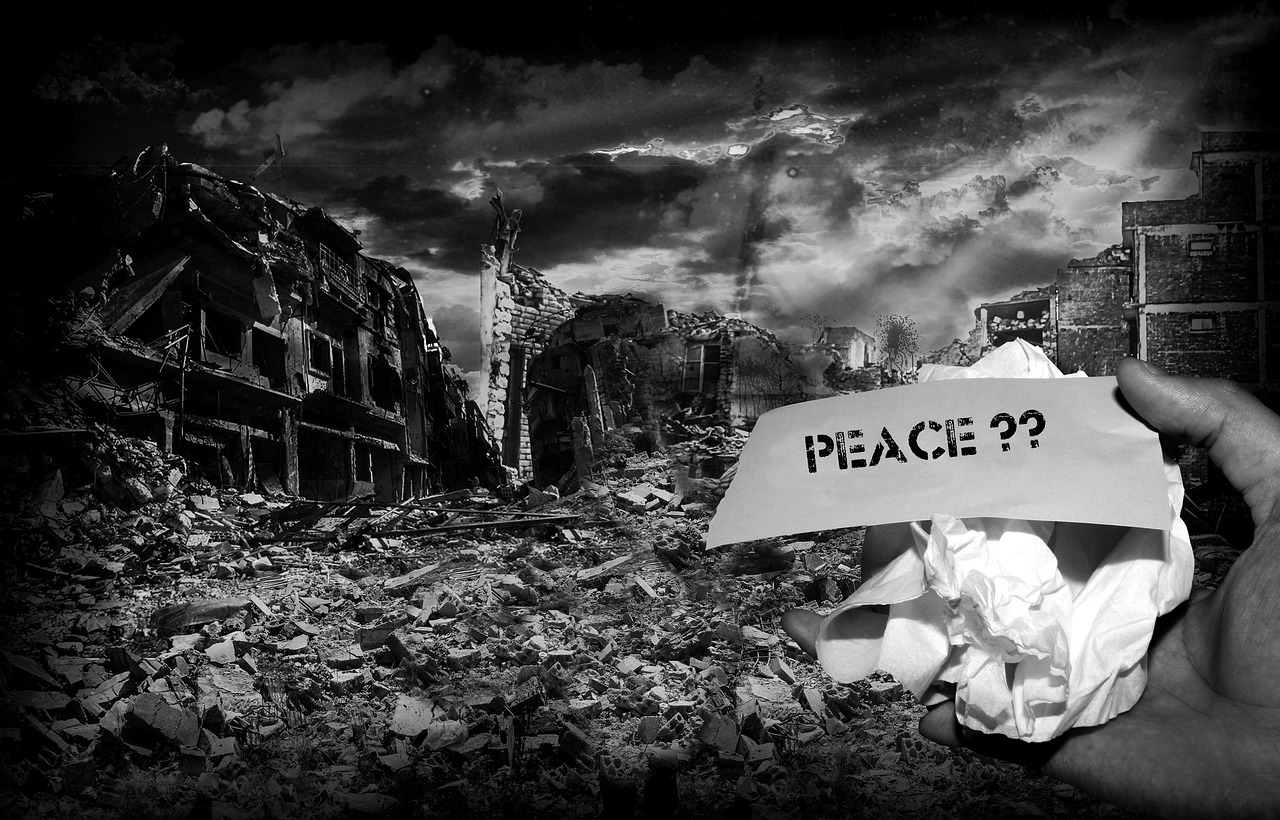
In the heart of Africa, Sudan is currently navigating a complex civil war. The city of El Obeid, which hosts 500,000 residents and provides shelter for 100,000 displaced people, has become a focal point for humanitarian aid. Despite the strategic pressure, the light of international solidarity shines brightly as a beacon of hope for its inhabitants.
Since April 2023, Sudan has been engulfed in a civil war between the Sudanese Armed Forces (SAF), led by General Abdel Fattah al-Burhan, and the Rapid Support Forces (RSF), commanded by General Mohamed Hamdan Dagalo. El Obeid is located strategically between Darfur (controlled by the RSF) and the eastern regions (under the army's control), placing it under immense military pressure.
According to data from the UN Human Rights Office, between June 6 and June 28, 2026, 15 drone attacks were recorded in the city and its surroundings, leaving 45 people dead and 41 injured. Furthermore, the Armed Conflict Location & Event Data Project (Acled) reported 27 drone attacks in June 2026.
Humanitarian workers, who requested anonymity for security reasons, have shared harrowing testimonies. A volunteer named Fatima mentioned that it is common to see between 40 and 45 drones in the sky. During the last weekend of June, strikes hit schools and gas stations, tragically resulting in the deaths of over 20 people, including students.
Despite the gravity of the situation, the international community is actively mobilizing to prevent further tragedy. On Friday, July 3, 2026, Volker Türk, the UN High Commissioner for Human Rights, urged world leaders to act immediately to prevent atrocities, setting a clear agenda for prevention and protection.
On Monday, June 29, 2026, the Yale Humanitarian Research Lab published a report revealing that the Sudanese Armed Forces have built 50 kilometers of defensive positions. This massive effort aims to protect the population from potential sieges. Additionally, an increase of 700 temporary structures in the camps was detected, demonstrating the flow of cooperation to shelter the most vulnerable.
To further address the root causes, the Raoul Wallenberg Centre has sent officials from the United Arab Emirates, Iran, Turkey, and Egypt to the International Criminal Court (ICC) for allegedly supporting the ongoing conflict.
Organizations like Avaaz and the African Centre for Justice and Peace Studies are strongly advocating for a ceasefire and the creation of safe corridors. Mohamed Badawi, director of the latter center, emphasized the critical need to provide safe escape routes for residents.
The tireless work of humanitarian workers in El Obeid is a profound reminder of the resilient human spirit. Although infrastructure, such as the electrical and telecommunications networks, has been damaged, the unwavering will to help others and the dedicated efforts of the UN and international tribunals promise a clear path toward reconstruction and lasting peace.

Alfredo S. Quiroga