


11/07/2026 04:12 - Internacionales
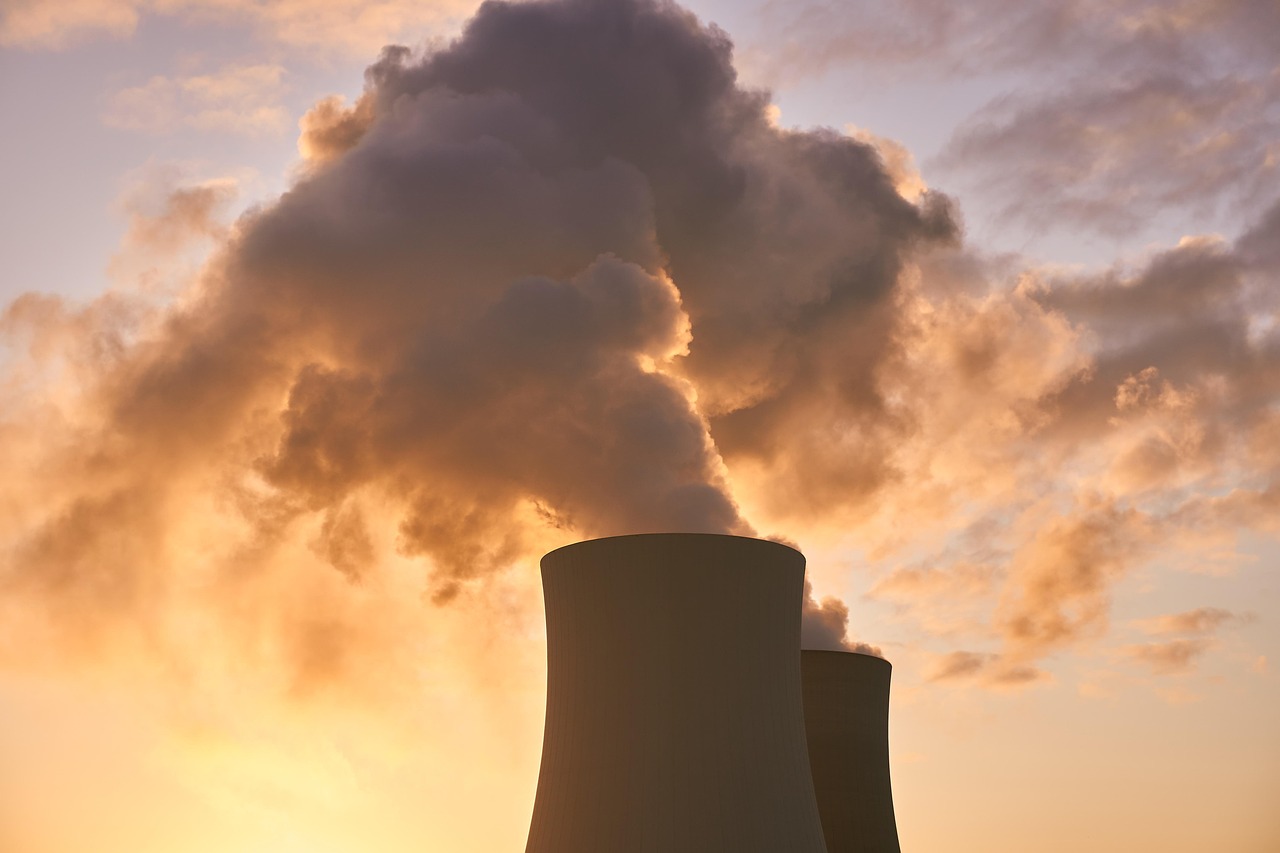
According to reports from Iranian state television, which cited the deputy governor of Bushehr province, Ehsan Jahanian, a military barracks located on the outskirts of the city hosting Iran's only functioning nuclear power plant was attacked by an enemy projectile on July 9, 2026. The Iranian Ministry of Foreign Affairs condemned these bombings as a 'flagrant war crime,' claiming that civilian infrastructure, such as railway bridges, was targeted.
US military officials stated that Thursday's attacks hit approximately 90 Iranian military targets, focusing on air defense systems, as well as missile and drone depots. US President Donald Trump reportedly promised to strike Iran 'hard,' holding the nation responsible for attacks on commercial ships in the Strait of Hormuz—a vital maritime chokepoint between the Persian Gulf and the Gulf of Oman through which 20% of the world's oil transits.
According to the Iranian army, Tehran reportedly responded by attacking a Patriot missile interceptor system in Kuwait, an early warning system in Qatar, and fuel depots in Bahrain using drones. The Iranian Ministry of Health reported that recent US attacks have resulted in a toll of 14 dead and 78 wounded.
The conflict, which began on February 28, 2026, has caused significant disruptions in the global energy market. Traffic through the Strait of Hormuz has been reduced to about 22 ships per day, leaving approximately 6,000 sailors stranded. Despite the tensions, there is optimism that diplomacy will prevail. Several media outlets have reported that Qatar and Pakistan are mediating the conflict. Furthermore, Donald Trump allegedly confirmed that negotiations would continue despite the end of the ceasefire.
In a sign of market caution while awaiting a peaceful resolution, the price of Brent crude oil stabilized around 76 USD per barrel.
Sources: Deutsche Welle

Alfredo S. Quiroga
