


11/07/2026 04:16 - Economia
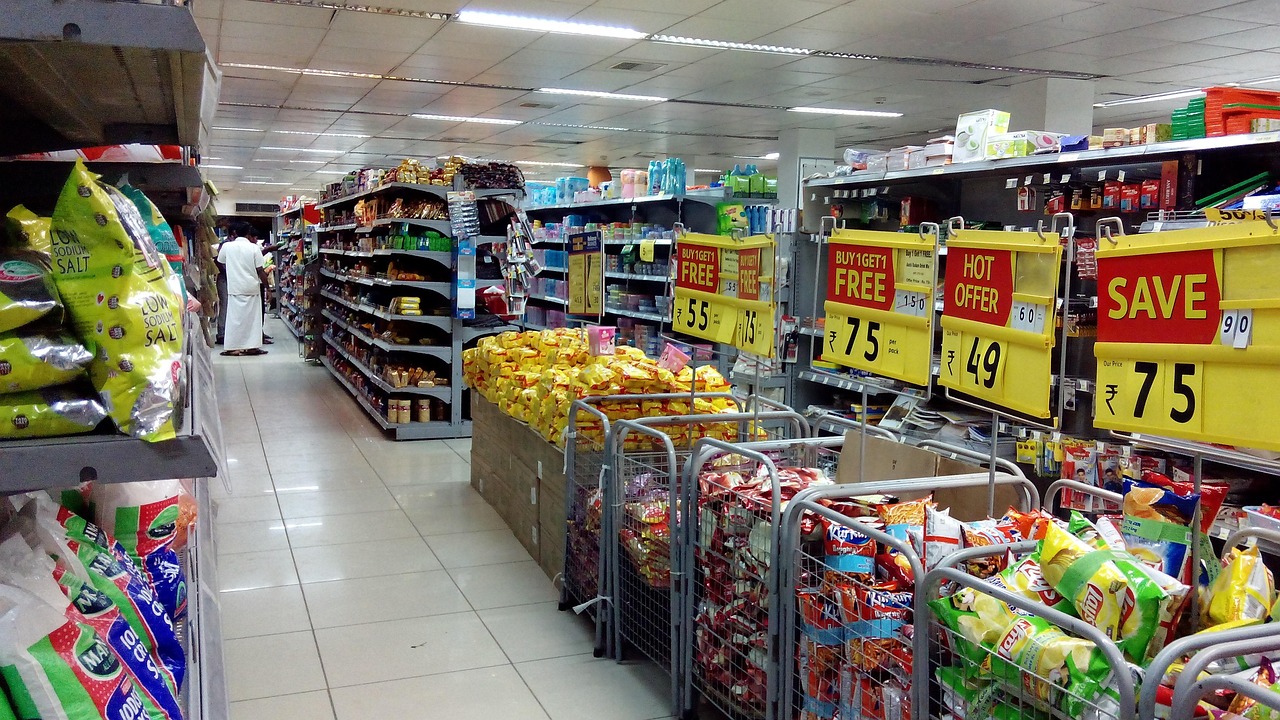
According to Minuto Uno, an Argentine influencer visiting Miami, United States, decided to walk through a local supermarket and compare the prices of basic necessities with those currently found in Argentine grocery stores.
Upon observing the value of food and cleaning products, the content creator could not hide her astonishment and frustration. On her social media, she stated that she felt 'like crying' when noticing the huge gap between both countries, a feeling that resonates with many citizens facing the current economic context.
This situation occurs in a framework where the Argentine economy continues to deal with the effects of inflation and the exchange rate. To understand this for those unfamiliar with Argentina, the local currency is the Argentine Peso (ARS). As of July 2026, the official dollar rate from the Banco Nación (National Bank of Argentina) is around $1,510 ARS, with projections placing it near $1,673 ARS for December of this year.
Although the country risk (a financial indicator measuring the probability that a country will default on its debt, where a lower number is better) has dropped to historic lows (402 basis points, the minimum since 2018), the purchasing power of salaries in local currency compared to dollarized products remains a topic of debate and concern for families.
The report highlights how products that have a high cost relative to salaries in Argentina can be purchased in Miami at prices that are unreachable for the average local pocket if currency conversions are taken into account.
The viralization of these comparisons usually sparks debates on social networks about the real cost of living and inflation.

Alfredo S. Quiroga
