20/07/2026 22:45 - Economia
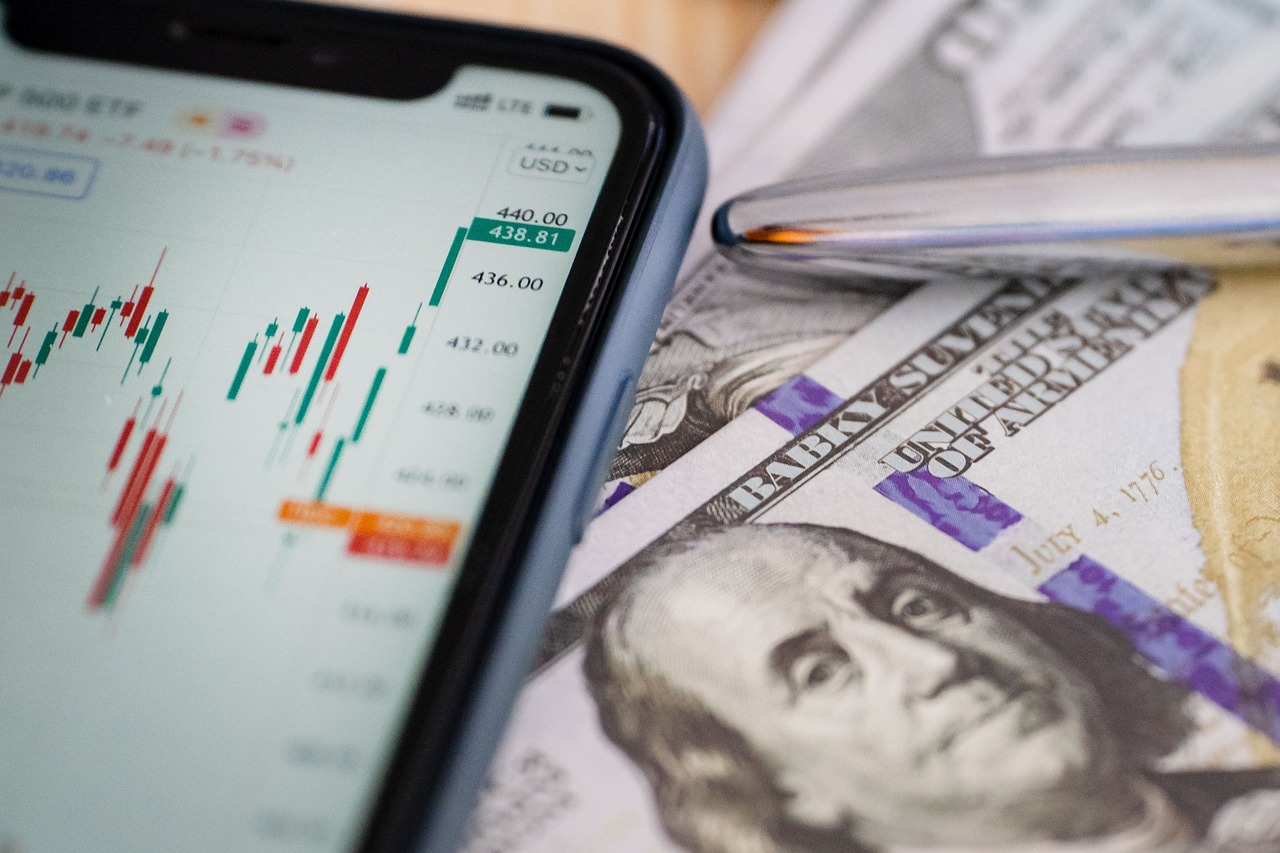
Argentina's financial market kicked off the week with a highly encouraging recovery. According to reports from Ambito and Infobae, on July 20, 2026, the S&P Merval index of the Buenos Aires Stock Exchange advanced by 0.7% in pesos and 1.4% in dollars, reaching 3,223,652 points. This rebound was led by energy companies, boosted by rising international crude prices.
The S&P Merval is the primary index of the Buenos Aires Stock Exchange (BCBA). It measures the performance of the largest and most liquid publicly traded companies in Argentina. A rise in this index indicates growing investor optimism about the value of local companies.
Measured by JP Morgan, the Country Risk indicator reflects the probability of a nation defaulting on its sovereign debt. A lower number (expressed in basis points) means international investors have greater confidence in that country's economic stability.
The local stock market's recovery had a clear sectoral bias, favoring companies linked to energy production, transport, and distribution. The top gainers included:
ADRs (American Depositary Receipts, which represent shares of Argentine companies traded in US dollars on Wall Street) also performed positively. Pampa Energia jumped 2.6%, Edenor advanced 2.3%, Central Puerto gained 1.8%, and YPF increased 1.6%.
In the bond market, dollar-denominated sovereign titles showed a moderate recovery. The GD46 and GD29 bonds led the gains with an advance of 0.7%, while the AL30 rose by 0.1%. This improvement in sovereign debt allowed the country risk to drop by 0.7%, closing at 416 basis points, breaking a brief upward trend and nearing the psychological barrier of 400 points.
The global scenario played a decisive role. According to El Chorrillero, ongoing conflicts in the Middle East drove up crude prices. WTI oil rose 0.9% to USD 82.49 per barrel, while Brent gained nearly 1%, settling at USD 88.97. This surge in crude had a highly positive effect on local energy stocks, demonstrating the Argentine market's ability to adapt to external fluctuations.
Optimism was also grounded in solid local fundamentals. It was reported that registered wages rose by 2.2% in May, beating inflation (which stood at 2.1%) for the third consecutive month. Furthermore, the trade balance showed a surplus of USD 2,194 million in June, with a year-on-year export growth of 24.5%, according to information gathered from Somos Pymes and El Dia.
With a financial market showing signs of maturity and resilience, backed by macroeconomic fundamentals that point to a recovery in purchasing power, the horizon for investors and the Argentine economy looks bright and full of renewed hope.

Alfredo S. Quiroga