


14/06/2026 09:09 - Politica
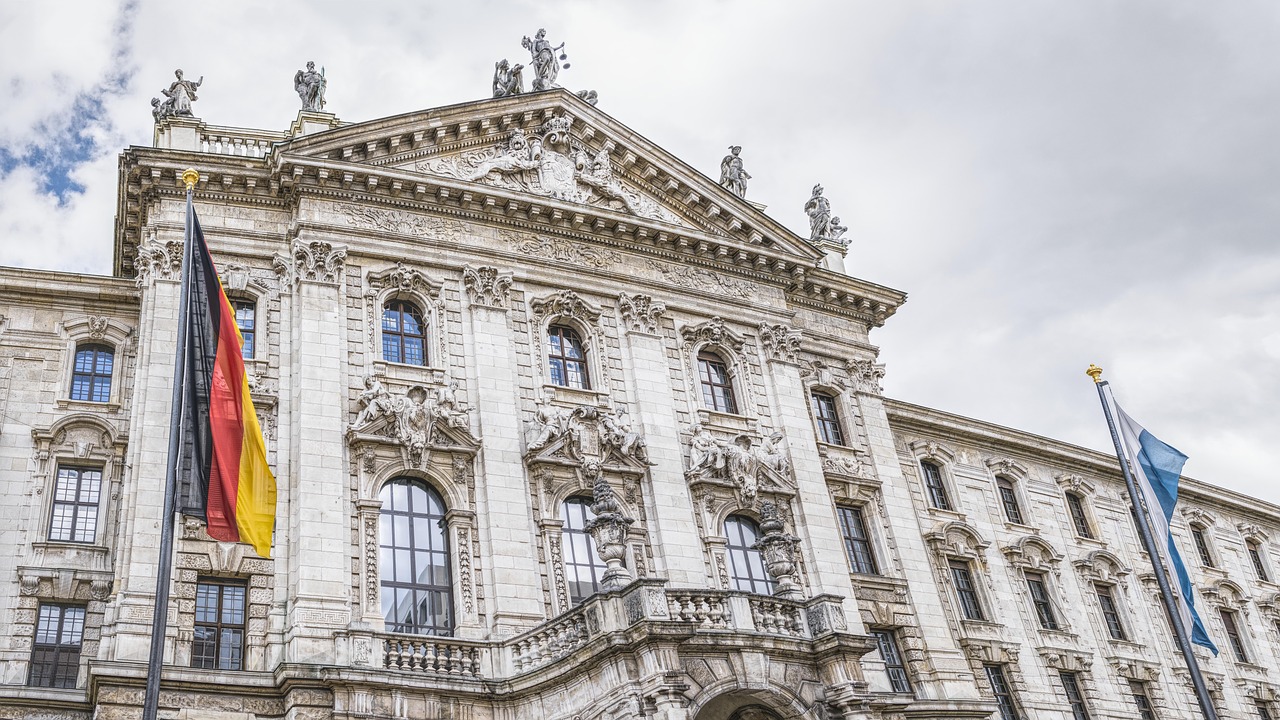
Edificio del Palacio de Justicia de Buenos Aires con banderas argentinas ondeando, representando el Poder Judicial. Primer plano de documentos legales con una lupa sobre declaraciones juradas. Atmósfera seria y profesional que refleja una investigación judicial en curso sobre irregularidades patrimoniales.
The case involving Argentina's presidential spokesperson Manuel Adorni continues to cause shockwaves in the Argentine political scene. According to various media reports, a former head of Argentina's Financial Information Unit (UIF) — the country's anti-money laundering agency equivalent to FinCEN in the United States — has not ruled out that the official could be investigated for money laundering following irregularities detected in his asset declaration.
The Unidad de Información Financiera (UIF) is Argentina's financial intelligence unit, responsible for detecting and preventing money laundering and terrorist financing. It works similarly to financial intelligence units in other countries, analyzing suspicious transaction reports and coordinating with international bodies like the Financial Action Task Force (FATF).
Federal Judge Ariel Lijo is leading the judicial investigation, analyzing the drastic increase in Adorni's wealth: from 20 million Argentine pesos to 944 million pesos (approximately from $20,000 USD to nearly $1 million USD at current exchange rates) during a questioned period. The official admitted to omitting $500,000 USD in his sworn declarations, raising serious concerns about the origin of these funds.
According to reports, Adorni reportedly justified before the judiciary that his wealth increase stems from a family inheritance. Additionally, he attributed $513,000 USD in undeclared funds to Bitcoin investments made between 2013 and 2018.
The official version maintains there are no irregularities and that all information was properly declared.
Manuel Adorni serves as the presidential spokesperson for President Javier Milei, a position created to handle government communications. In Argentina, this role is similar to the White House Press Secretary in the United States, though not identical in protocol hierarchy. Adorni is one of the most visible faces of the Milei administration, regularly appearing in media.
President Javier Milei, a libertarian economist, won the 2023 presidential election with 30% of votes in the first round and defeated Economy Minister Sergio Massa in the runoff. His party, La Libertad Avanza (LLA) — meaning "Freedom Advances" — holds a minority in Congress, requiring alliances to pass legislation.
The opposition continues gathering signatures to advance a censure motion against the official. In Argentina's Chamber of Deputies (the lower house of Congress), they have collected 120 signatures, though they need 129 to guarantee the necessary quorum.
In Argentina, a moción de censura is a parliamentary procedure that allows Congress to formally express disapproval of a cabinet member. While not automatically binding on the Executive branch, it carries significant political weight and can force resignations. It's similar to a "vote of no confidence" in parliamentary systems.
Vice President Victoria Villarruel — who serves as President of the Senate, similar to how the U.S. Vice President presides over the Senate — has called for Parliamentary Labor on June 18, 2026, to proceed with the questioning session. The Peronist opposition, led by José Mayans, has submitted a proposal to question Adorni within 7 days and vote on censure in the same session.
In the Senate, the opposition needs 37 votes to achieve removal. Patricia Bullrich — Argentina's Security Minister and leader of the PRO party, a center-right coalition that sometimes allies with Milei — would be negotiating with potential allies.
According to sources close to the Casa Rosada (the Pink House, Argentina's presidential palace equivalent to the White House), President Javier Milei would maintain his support for the presidential spokesperson. There exists an alternative plan: if Congress removes Adorni, Milei would sign the appointment decree again — a controversial move that would test constitutional limits.
Deputy Oscar Zago (MID, former head of the LLA bloc) stated that Adorni's departure would be inevitable and speculated he could resign before June 23.
The PRO party (Propuesta Republicana, a center-right party led by figures like former President Mauricio Macri) conditioned their support on the official's departure, while the UCR (Unión Cívica Radical, Argentina's traditional centrist party similar to European liberal parties) stated he lied to Congress.
Negative mentions in media reportedly increased from 135,000 to 323,000 according to Enter Communication Studio, indicating the growing scandal's visibility in Argentine public opinion.
| Metric | Before Scandal | Current |
|---|---|---|
| Negative Media Mentions | 135,000 | 323,000 |
| Deputy Signatures Collected | 0 | 120 |
| Signatures Needed for Quorum | 129 | |
Information compiled from multiple journalistic sources. The judicial case continues under Federal Judge Ariel Lijo and Prosecutor Gerardo Pollicita. For international readers: Argentina's federal judges handle cases involving public officials and have broad investigative powers similar to investigating magistrates in European civil law systems.

Alfredo S. Quiroga
Conspiraciones