


14/06/2026 21:48 - Entretenimiento
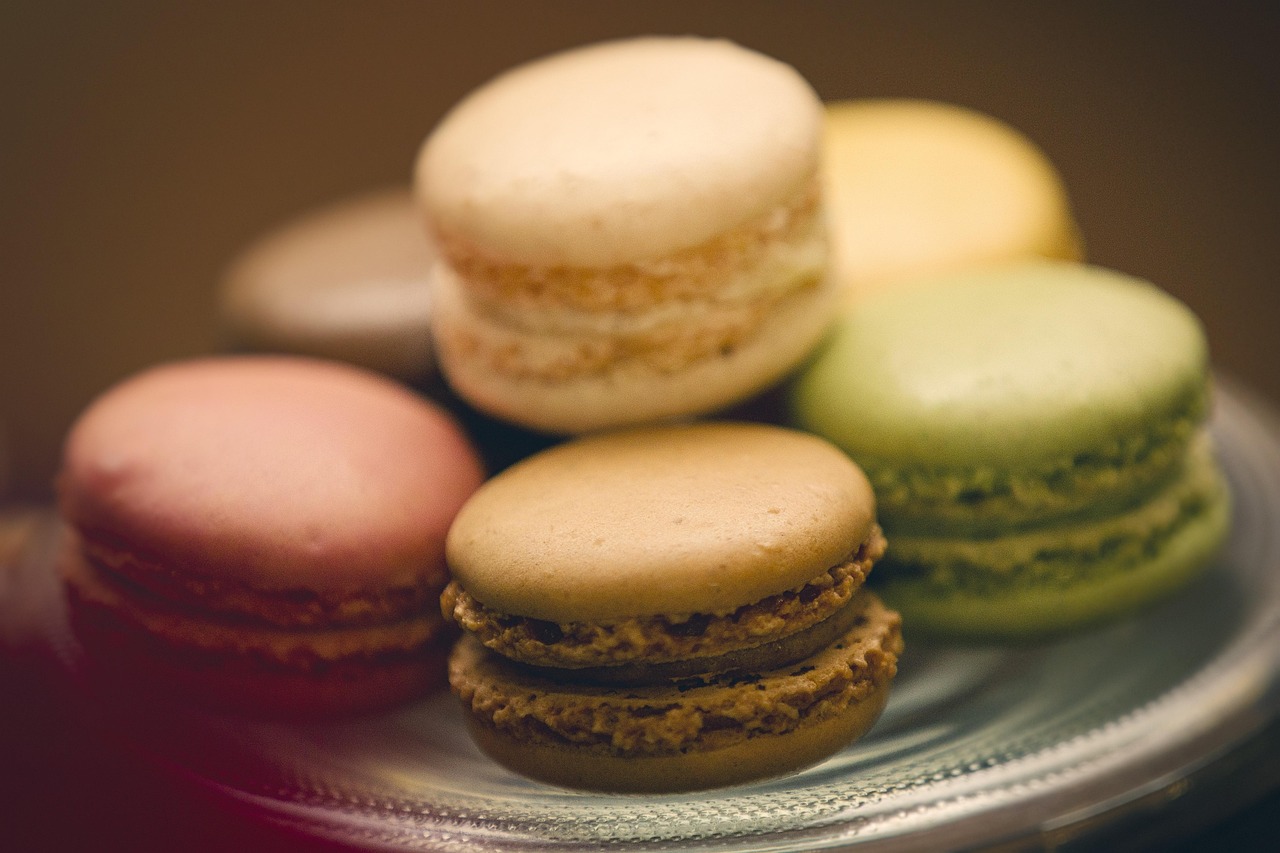
Variedad de tortas y pasteles tradicionales de diferentes países sobre una mesa de madera con iluminación cálida, mostrando texturas cremosas, capas y decoraciones artesanales que representan la diversidad gastronómica mundial
In the international gastronomy scene, where flavors travel and recipes transform into symbols of identity, a ranking elaborated by Taste Atlas has brought the 10 best cakes in the world to the forefront. This list, the result of opinions from experts and enthusiasts, celebrates specialties that, due to their history, emblematic ingredients, and traditional imprint, have become emblems of world pastry.
From the sweet convents of Portugal to the festive tables of Nicaragua, each selected cake narrates a part of the culinary legacy of its country of origin. The ranking not only recognizes the originality and flavor of these recipes but also invites discovery of the roots and rituals accompanying their preparation and enjoyment.
This Portuguese sponge cake, born in the 18th century, stands out for its creamy texture made with eggs, sugar, and flour. Traditionally linked to religious celebrations, it is popular both in the coastal city of Ovar and other parts of Portugal. Its secret lies in the exact proportion of ingredients and the precise baking time.
The Swedish sticky chocolate cake is characterized by a moist interior and a thin crunchy crust. Made with eggs, cocoa, butter, sugar, and flour, it is habitually enjoyed during the traditional coffee break known as fika, a moment of rest and social connection deeply rooted in Swedish culture.
A specialty from San Sebastián, this cake originates from Bar La Viña and combines cream, eggs, cream cheese, and sugar, without a base crust. It is recognized for its characteristic burnt surface and a creamy center that has made it a benchmark of modern Spanish pastry.
Originating from the Polish region of Podlaskie, this multi-layered cake alternates thin discs of dough with whipped cream, occasionally flavored with vanilla or almond. The marcinek is appreciated for its laborious preparation and its presence at important festivities.
Typical of the Moravia-Valachia region, this round cake of about 30 centimeters is covered with a generous sweet layer that can include jam, fruits, poppy seeds, or curd cheese. It is common in religious celebrations and represents an ancestral Czech tradition.
The Polish cheesecake is mainly made with quark cheese, eggs, and sugar. The Krakow variant is distinguished by its lattice crust and, occasionally, the incorporation of fruits or raisins, reflecting a Polish tradition dating back to the 17th century.
This Russian layered honey cake alternates discs of biscuit soaked in honey with cream that includes whipped cream or condensed milk. Medovik is usually decorated with ground nuts and is common in Russian family celebrations.
It consists of two layers of choux pastry, of French origin, filled with vanilla-flavored pastry cream. Its irregular surface evokes the peaks of the Carpathian Mountains, from where this Polish delight takes its name.
Originally from Brittany, the northwesternmost region of France, this butter cake is composed of superimposed layers of dough, butter, and sugar. It is famous for its high-fat content and for having emerged from the ingenuity of a local baker in the 19th century.
Considered a classic of Nicaragua, this sponge cake soaked in condensed milk, evaporated milk, and whole milk is recognized for its characteristic juicy texture. The tres leches cake is traditional in parties and celebrations throughout Latin America and has gained worldwide popularity.
The selection reveals how traditional pastry achieves global recognition from recipes transmitted through generations. Centennial preparations predominate, whose techniques and flavors represent the cultural identity of each region.
Cakes like the Swedish kladdkaka and the French kouign-amann demonstrate that simple ingredients can transform a recipe into an internationally appreciated specialty. Likewise, the Basque cheesecake and tres leches cake reflect the expansion of European and Latin American desserts, integrating into the palates of diverse continents.
The permanence and renewed relevance of these sweets support their cultural importance. Each cake, beyond flavor, contains a background of celebration, hospitality, and family legacy that supports its position on the list.
Source: Taste Atlas, via Infobae

Alfredo S. Quiroga
Conspiraciones