


22/06/2026 06:58 - Economia
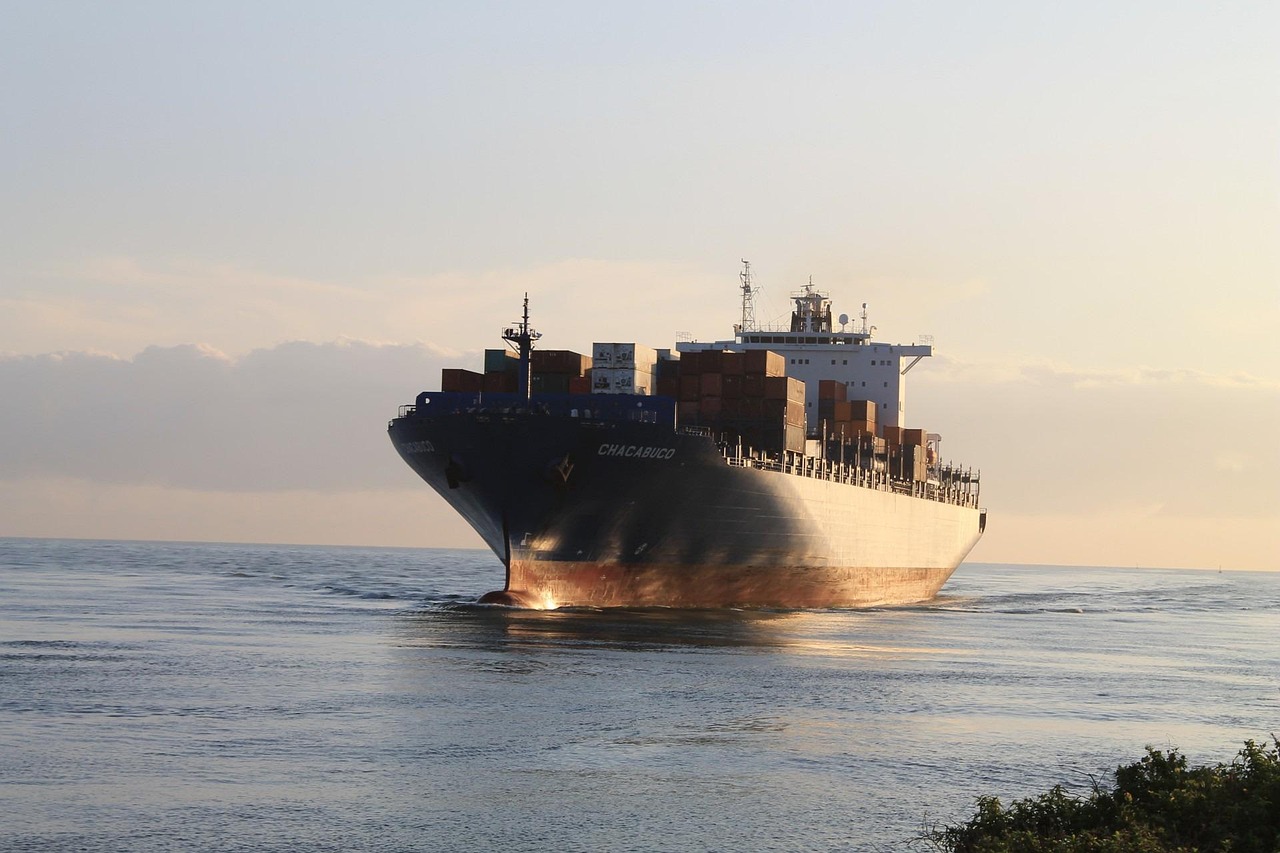
Vista aérea del complejo agroexportador del Gran Rosario con barcos cargueros, silos industriales y la infraestructura portuaria a orillas del río Paraná, mostrando la magnitud de la industria aceitera argentina.
Argentina could lose its position as the world's largest exporter of soybean meal, a leadership it has held for decades and which represents the country's main industrial export product. The Rosario Board of Trade (BCR) issued a strong warning: Brazil is closing in fast, and the gap is narrowing at an accelerating pace.
According to BCR projections for the first half of 2026, Argentina would export 13.3 million tons of soybean meal, while Brazil would reach 12.3 million tons. The difference is minimal: barely one million tons separate the two countries.
| Year | Export Gap | Context |
|---|---|---|
| 2021 | 86% in Argentina's favor | Absolute Argentine market dominance |
| First half 2025 | 23% in Argentina's favor | The gap begins narrowing significantly |
| First half 2026 (projection) | 8% in Argentina's favor | Brazil nearly catches up to Argentina |
Source: Rosario Board of Trade (BCR), June 2026.
The key to Brazil's advancement lies in its biodiesel industry. Brazil closed 2025 with a record volume of 58.7 million tons of processed soybeans, a 22.8% increase compared to 2021.
This policy of promoting biofuels created domestic demand for soybean oil at historic highs, and as a direct consequence, greater supply of soybean meal available for export.
“As a counterpart, a larger supply of soybean meal is produced, which takes Brazil to increasingly higher competitiveness levels” — Emilse Terré, Manager of Economic Information and Studies at BCR.
While Brazil grows steadily, Argentina's crushing operations show a virtually stagnant trajectory. This lack of expansion in local processing contrasts dramatically with the Brazilian strategy.
The BCR warning is direct: Brazil's expansion “directly affects Argentina's main export product and the main determinant of soybean prices in the domestic market.”
Main destination: Spain, Italy, Netherlands, Poland, and Ireland. Also the United Kingdom as a relevant market.
Vietnam, Indonesia, and Malaysia account for 25% to 30% of Argentine shipments over the last decade.
Recent growth: Saudi Arabia, Iran, Jordan, and United Arab Emirates.
Pacific Alliance countries (Colombia, Chile, Ecuador, and Peru) are gaining participation, while North Africa drops to 15-year lows.
Soybean meal is the byproduct obtained from crushing soybeans, used primarily in animal feed (cattle, poultry, pigs). Argentina consolidated itself as the world leader thanks to its industrial processing capacity in the Gran Rosario area—a cluster of crushing plants and ports along the Paraná River, about 300 km north of Buenos Aires.
However, Argentina's economy is undergoing a structural shift: the growth of Vaca Muerta—one of the world's largest shale oil and gas formations, located in Neuquén province—positions petroleum as the new foreign currency generator. While the energy sector gains prominence, Argentina begins to lose ground in markets where it built global competitive advantages over decades.
Sources: Infobae | Clarín Rural | La Política Online | Rosario Board of Trade (BCR).

Alfredo S. Quiroga
